Top 10 football teams in the world: national sides with lasting influence
By Sports Brief Published Football
Brazil, Germany, Argentina and other national sides whose achievements and football identities have shaped the world game.
“Best team” can mean a club, a national side or a specific starting eleven. Here it means national football teams assessed across generations. A country’s enduring place in the game is a different question from its position in a live form table.
We weigh World Cup pedigree heavily without pretending that trophies are the only measure of influence. The flags identify the national sides; no image is meant to imply that a historic squad is the current team.
How this list was selected: An editorial historical ranking of men’s national teams, considering World Cup pedigree, memorable generations and influence. This is not the current FIFA ranking; our separate club list covers club football.
1. Brazil
A central reference point for the global imagination of football.
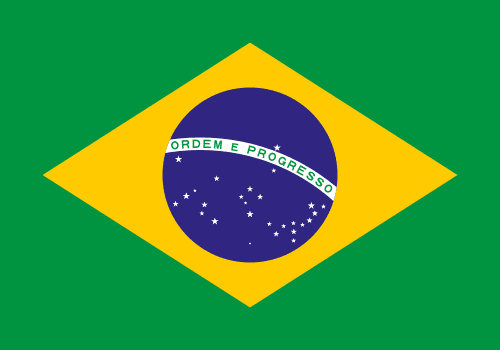
Brazil’s claim joins major international achievement to an exceptionally influential football identity. The names of great Brazilian attackers have become part of how supporters describe creativity. That tradition is not a promise about the next match, but it gives the national team a place in football history that a short run of results cannot erase.
2. Germany
A national-team tradition built across very different eras.
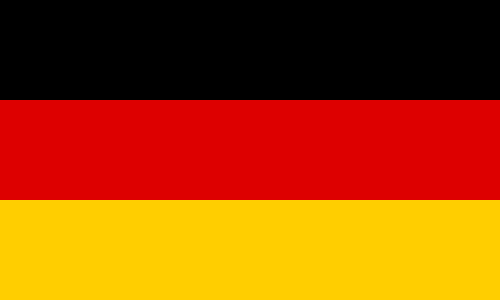
Germany’s historical weight is connected to its ability to produce competitive sides with different styles and personnel. It is too simple to reduce that story to one stereotype about efficiency. The more interesting thread is how successive teams have solved the problems of international tournaments under changing tactical demands.
3. Argentina
Extraordinary individuals within a deeply rooted national football culture.
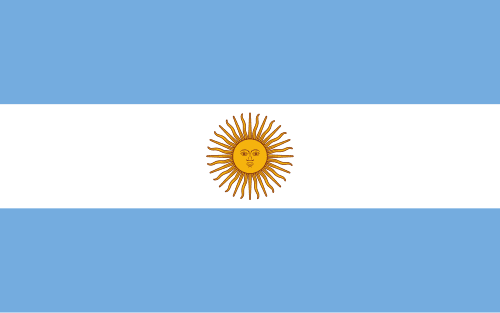
Argentina’s place is inseparable from its great creative players, but the national team is more than a sequence of famous number tens. The tension between individual expression and collective organisation is part of its appeal. Its best teams make those forces feel complementary rather than competing explanations for success.
4. Italy
A major tournament history that deserves a broader reading than defence alone.
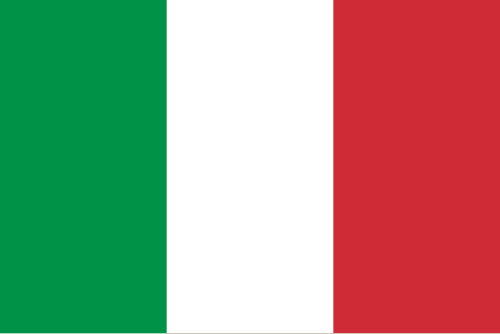
Italy’s football identity is often described through defending, yet its strongest teams also relied on technical midfielders, inventive forwards and intelligent use of possession. Looking at the national side across generations reveals a richer tradition. Tactical preparation matters, but so does the quality needed to turn organisation into a winning attack.
5. France
An influential national side with multiple routes to elite performance.

France’s strongest generations offer different combinations of creativity, athleticism and tactical balance. The ability to bring contrasting types of player into one team is central to the historical case. For viewers, that variety makes France an interesting national side to assess without assuming that one successful formation defines its identity forever.
6. Spain
A national team strongly associated with control through the ball.
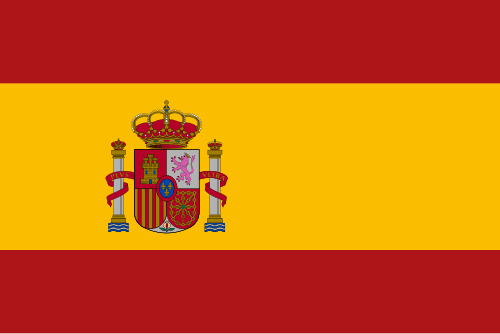
Spain’s influence includes the question it asks of opponents: how do you defend for long periods without the ball and still create enough threat to win? Its place on this list recognises both results and a distinctive football idea. Possession becomes important when it manipulates space, rather than as a statistic pursued for its own sake.
7. Uruguay
A substantial football heritage from a comparatively small population.
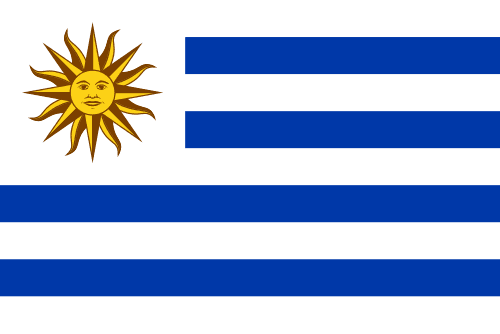
Uruguay’s historical importance is a reminder that population and commercial reach do not fully determine football identity. International success and a strong competitive tradition give the national side an enduring presence in the game. Its inclusion keeps this list from simply following the countries with the largest modern audiences.
8. Netherlands
A national team whose influence extends beyond a trophy count.
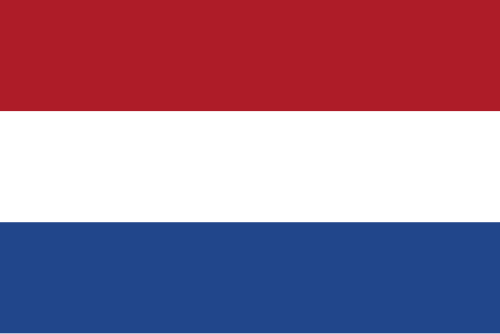
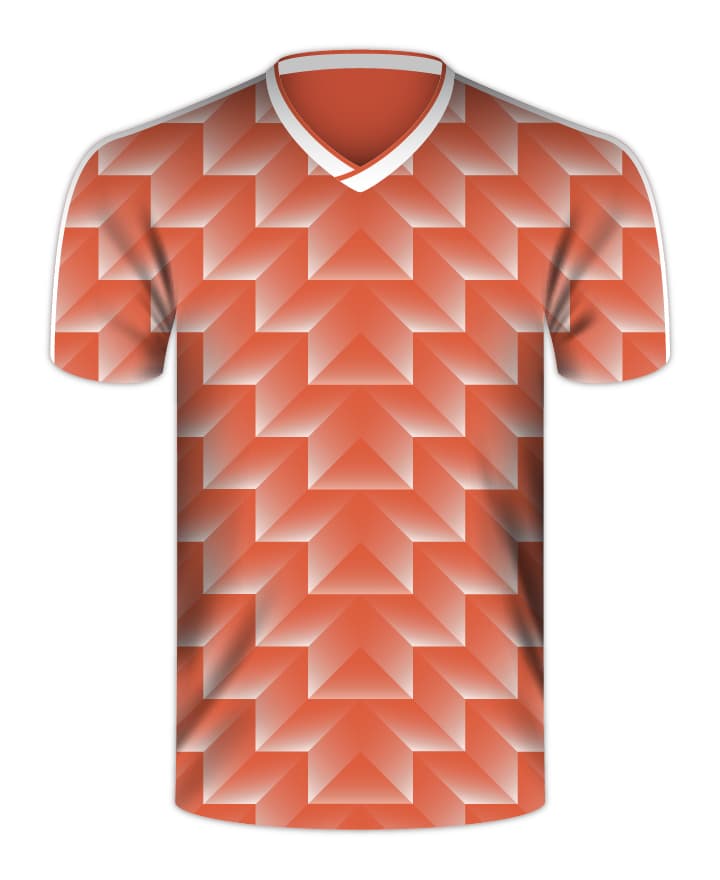
The Netherlands earns its place partly through ideas: movement, technical responsibility and the relationship between players and space. Judging the country only by the final result of its most famous tournaments would miss that contribution. It is a useful example of how a side can shape football even when a particular campaign ends in disappointment.
9. England
A national side surrounded by an unusually intense football conversation.

England’s history brings a famous early World Cup achievement together with the expectations of a major domestic football culture. That combination can make assessments swing too sharply between enthusiasm and disappointment. A historical view is more useful: it recognises important generations without confusing the visibility of discussion with guaranteed superiority.
10. Portugal
A compact football nation with a strong tradition of technical players.
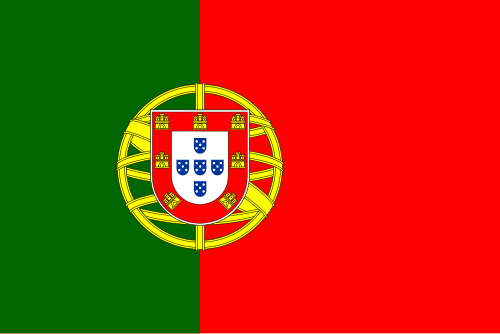
Portugal completes our editorial ten because its influence cannot be explained only by the size of its domestic market. Creative players and successful international generations have made it central to modern football discussion. Its position here weighs that sustained presence alongside the longer tournament histories of the sides above it.
Following the matches
If you also compare betting sites, our Australian guide explains the options and account terms to check. A historical ranking or an individual award is context for watching football, not a prediction of a match result.
Sources and further reading
Image sources, creators and licences are credited under each entry. Editorial opinions are distinguished from dated official rankings in the selection method above.