Top 10 football clubs in the world: history, identity and influence
By Sports Brief Published Football
Ten clubs with a place in football’s global conversation, assessed through history, identity and sustained influence rather than one weekend’s results.
A club can be powerful this season without having the same historical weight as one that has shaped football for generations. This list asks a broader question than who would win a match tomorrow.
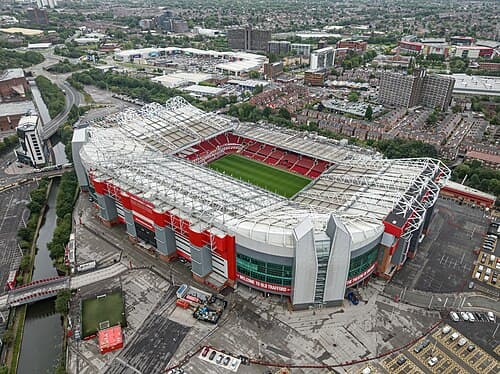
Our ten balance European pedigree with the importance of football beyond Europe. The accompanying stadium photographs identify each club’s football setting; they are not presented as pictures of a current squad.
How this list was selected: An editorial historical ranking of men’s clubs, balancing continental pedigree, domestic importance, football ideas and cultural reach. It is not a live form table or UEFA’s current club coefficient ranking.
1. Real Madrid
The clearest starting point for a debate about European pedigree.
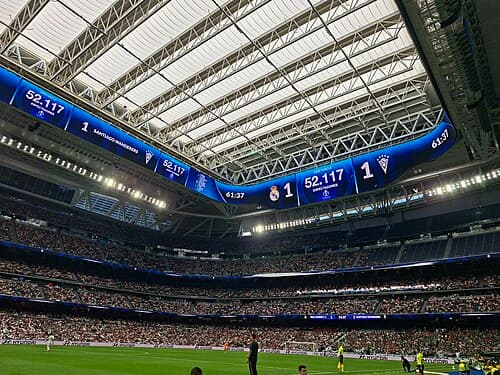
Real Madrid’s place rests on the relationship between individual stars and an institutional expectation of winning. The club is central to the history of the European Cup and Champions League. For supporters, the fascination is not only the honours but how each new generation is measured against an unusually demanding past.
2. Barcelona
A club with a recognisable idea of how football should be played.
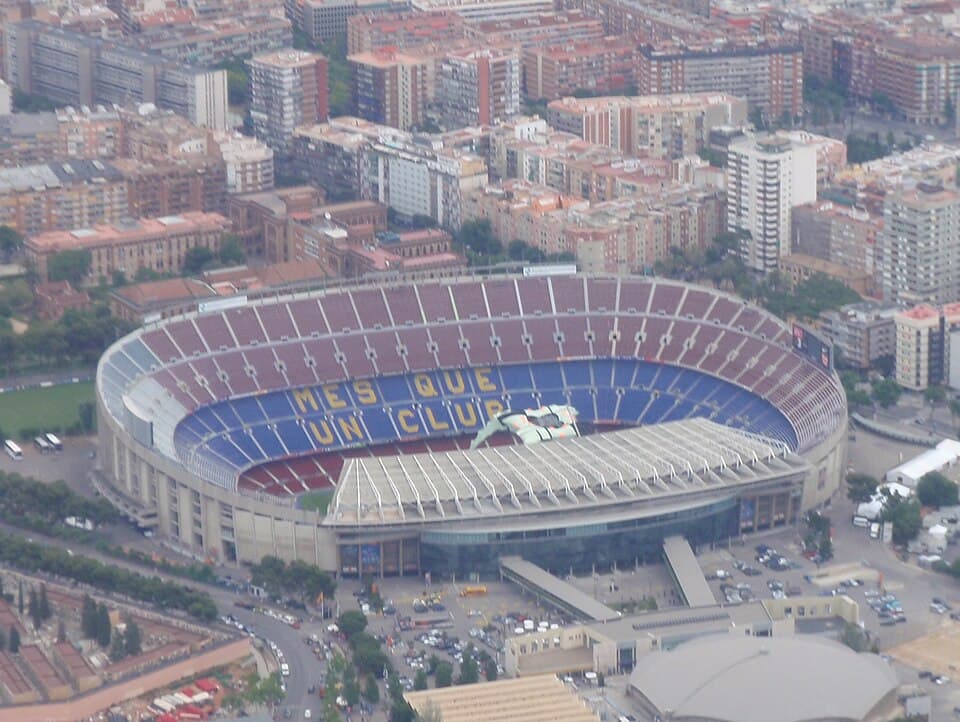
Barcelona’s influence extends beyond the results of particular teams. Its associations with positional play, technical midfielders and academy football give discussions about the club a distinctive vocabulary. The strongest historical cases include not just winning matches, but changing what other teams try to do with the ball.
3. Bayern Munich
A standard of sustained institutional strength.
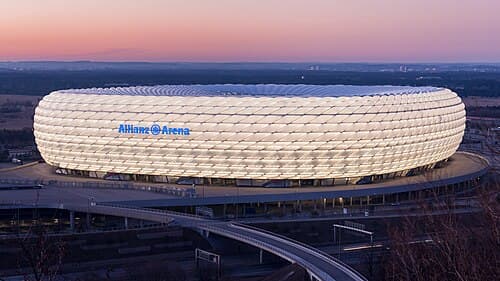
Bayern is a useful example of a club whose identity includes the expectation of renewal. Great teams and generations change, but the demand for domestic and European relevance remains. That continuity is part of its historical weight, even when individual seasons lead to arguments about style, recruitment or the balance of the squad.
4. Liverpool
European history and supporter culture reinforce one another.
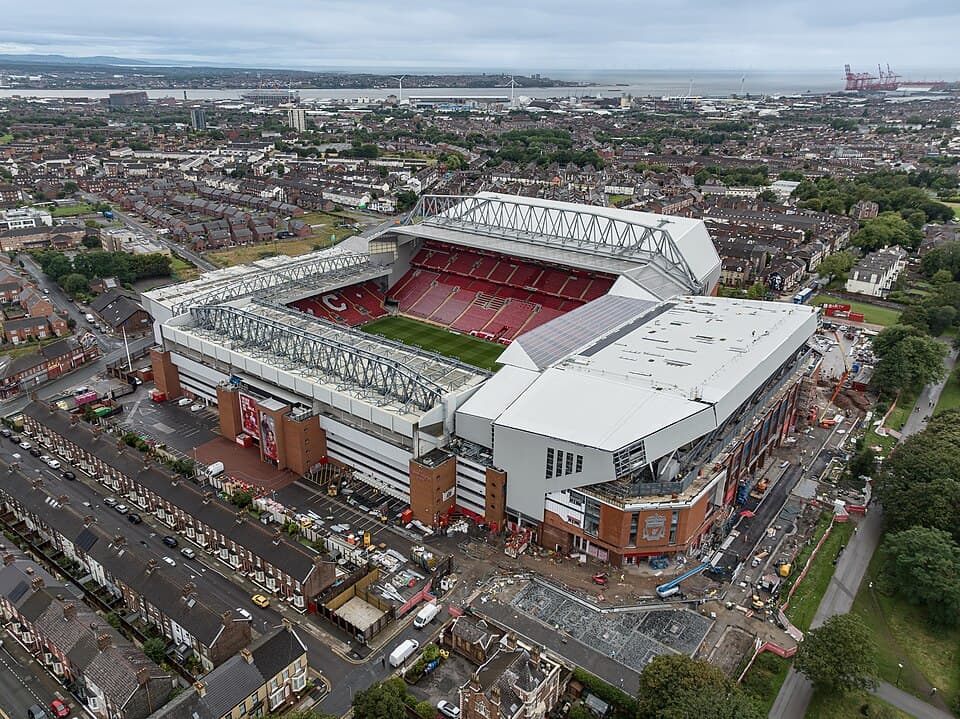
Liverpool’s great nights are often described through their atmosphere, but a club cannot live on atmosphere alone. The historical case combines European achievement, distinct managerial eras and a strong sense of continuity between team and crowd. Anfield is part of that identity without being a substitute for what happens on the pitch.
5. AC Milan
A reference point for different forms of football excellence.
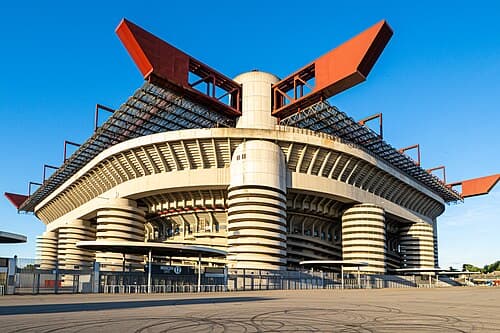
Milan’s history accommodates both celebrated defensive structures and technically outstanding attacking teams. That range makes the club important to more than one school of football thought. Its best sides offer ways to study organisation, spacing and how elite individuals fit within a coherent collective idea.
6. Manchester United
A club whose football identity travels far beyond its home city.
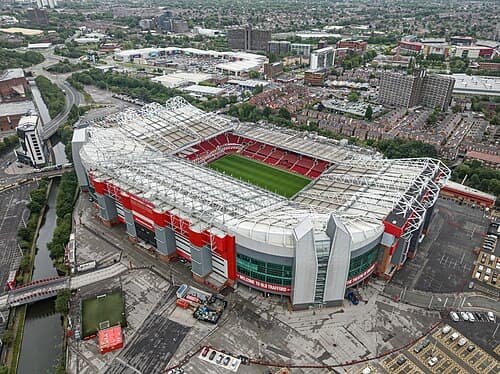
United’s standing includes its role in the wider culture of football as well as the successes of its most accomplished teams. Different eras bring different expectations, and the comparison between present and past is unusually persistent. The club remains central to debates about how sporting identity should survive changes in players and leadership.
7. Juventus
Domestic ambition and European expectations define the challenge.
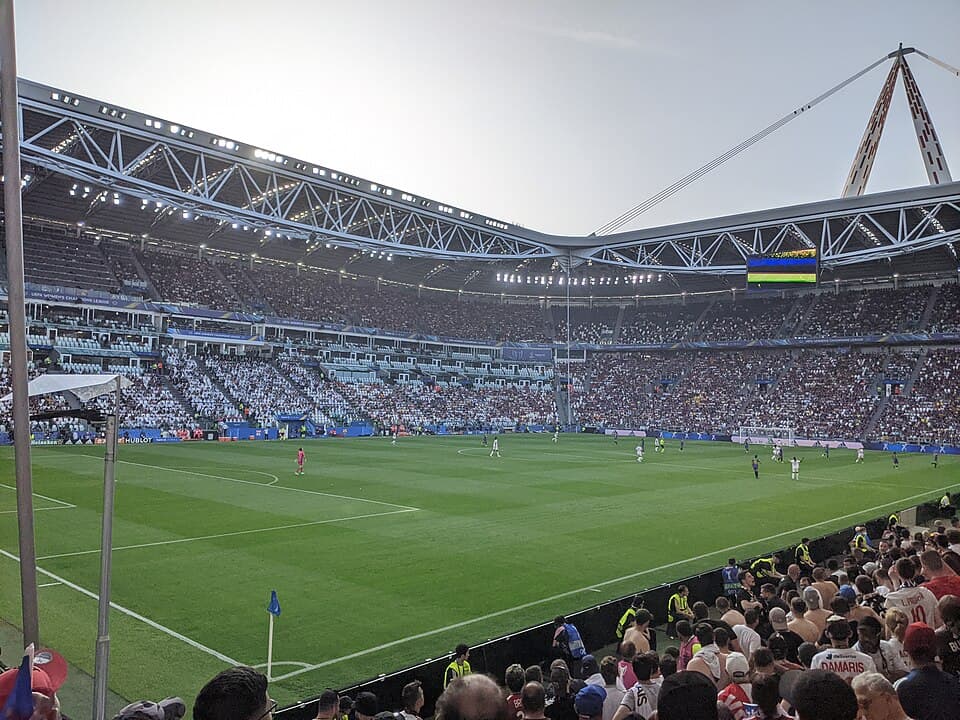
Juventus belongs in this conversation because it represents a sustained idea of elite competition in Italian football. The interest is in how a club balances immediate results with rebuilding and changing tactical demands. Its historical significance cannot be captured by judging only one final, one transfer window or one generation.
8. Ajax
A smaller-market club with an outsized influence on football ideas.
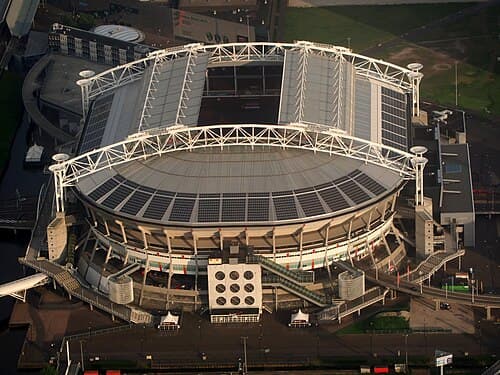
Ajax’s importance is not simply a question of spending power. Technical development, positional understanding and the integration of young players are central to its image. For a supporter interested in how clubs reproduce an identity over time, Ajax provides a particularly rich example, including the tensions created when developed players move on.
9. Inter Milan
Another major tradition from the city that shares San Siro.
Inter’s history gives Milan two distinct football identities within one famous stadium. It is useful to resist treating the clubs as interchangeable. Inter’s celebrated teams have offered their own approaches to balance, defending and transitions, adding a different strand to the broader story of Italian and European football.
10. Boca Juniors
A necessary South American presence in a worldwide shortlist.
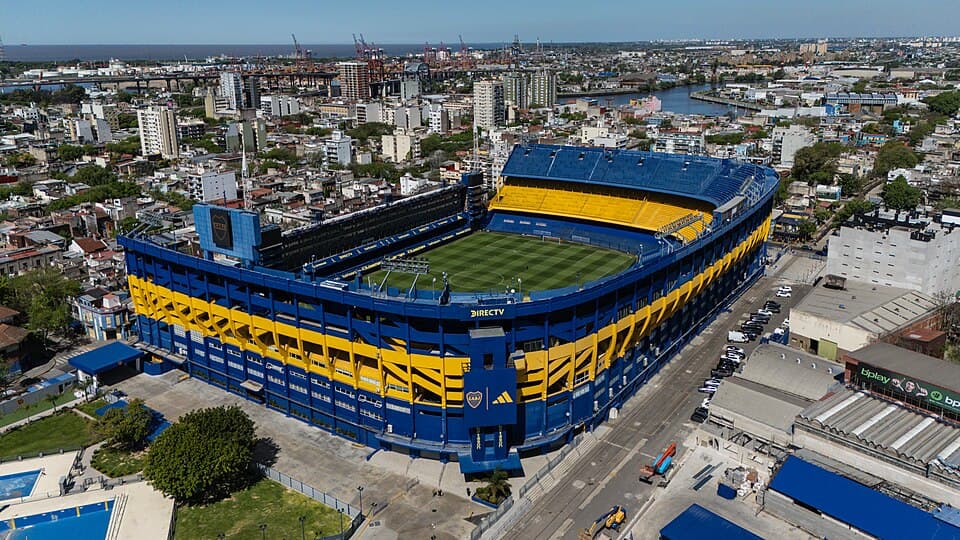
A world ranking of historic clubs should not quietly become a European-only list. Boca brings the weight of Argentine club culture, continental ambition and a stadium identity known around the game. Its inclusion recognises that football influence is also built through rivalries, supporters and the meaning of a club within its community.
Following the matches
If you also compare betting sites, our Australian guide explains the options and account terms to check. A historical ranking or an individual award is context for watching football, not a prediction of a match result.
Sources and further reading
Image sources, creators and licences are credited under each entry. Editorial opinions are distinguished from dated official rankings in the selection method above.