Top 10 football players’ names to know: a beginner’s guide
By Sports Brief Published Football
A quick introduction to ten recognisable footballers, their positions, signature qualities and the names that sometimes cause confusion.
If you are new to football, conversations can move quickly from a surname to a nickname without explanation. This guide gives ten recognisable names a little context: what sort of player each is, what to look for and why the name keeps coming up.
It is not a live list of club affiliations. Transfers can change those overnight, whereas understanding a player’s role and strengths is a much more useful starting point.
How this list was selected: A recognition guide, not a ranking of current form or measured global popularity. These ten men are selected to help new fans recognise common names, roles and playing styles.
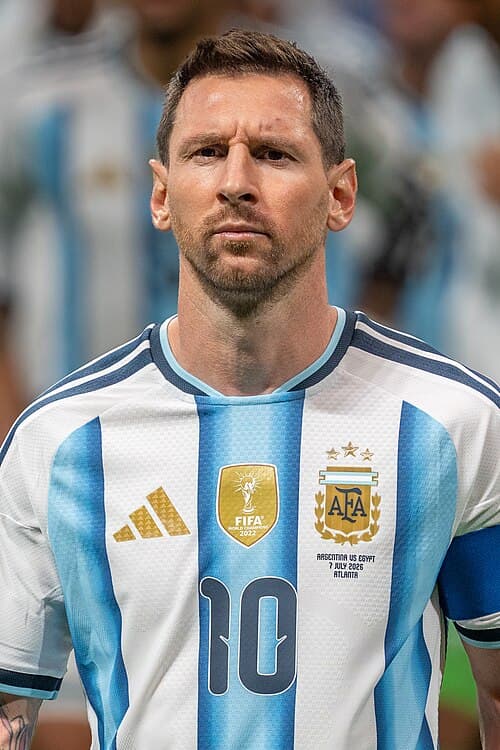
1. Lionel Messi
Also commonly called Leo Messi.
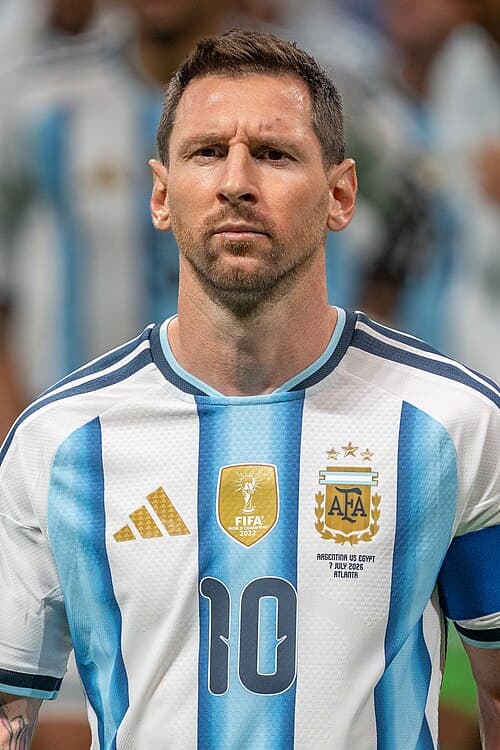
Messi is an Argentine forward and playmaker. Watch the small touches that keep the ball close to his left foot and the way he attracts pressure before releasing a pass. If a discussion moves from goals to chance creation, he can belong in both parts of it.
2. Cristiano Ronaldo
Often shortened to Cristiano or CR7.

Cristiano Ronaldo is the Portuguese attacker. He is a different player from the Brazilian Ronaldo, also called Ronaldo Nazário. His identifying qualities include penalty-area movement, finishing and aerial timing. The distinction between the two Ronaldos is one of the most useful things for a new supporter to learn.
3. Kylian Mbappé
A forward associated with acceleration and direct threat.
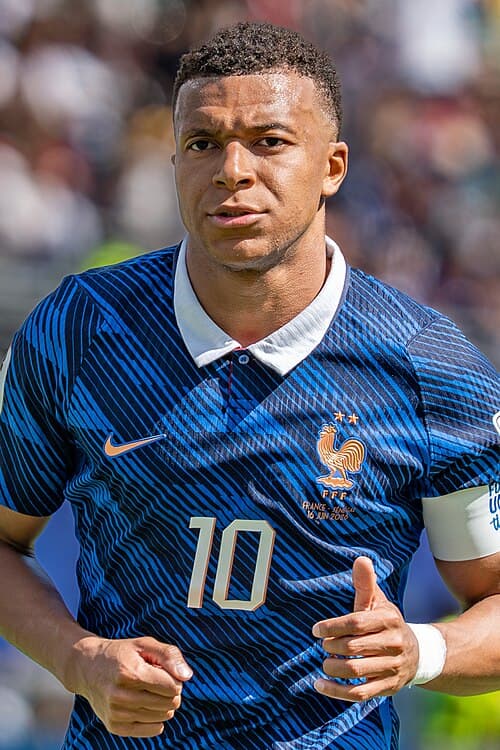
The French attacker is dangerous when a defender has space behind them, but reducing him to speed misses his ability to finish a move. Watch when he starts a run rather than only how quickly he completes it. Timing can make the acceleration much more difficult to defend.
4. Mohamed Salah
Frequently called Mo Salah.
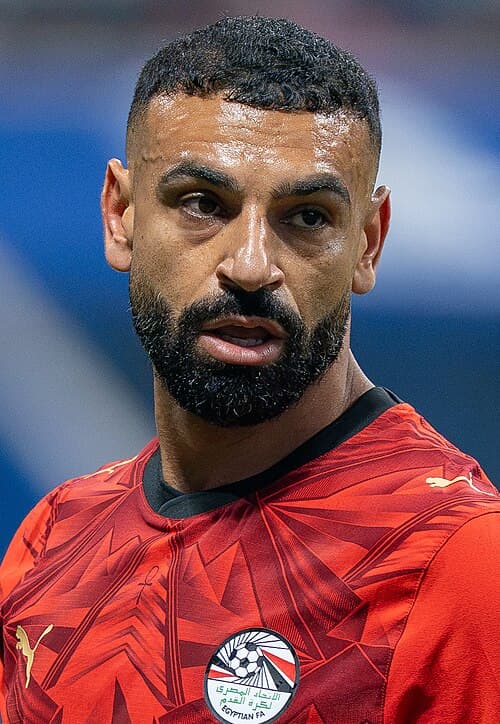
The Egyptian forward is particularly recognisable when moving in from the right toward his stronger left foot. His game also includes creating openings for others and making runs beyond the last defender. New viewers can learn a great deal by watching how a wide attacker changes position as possession develops.
5. Erling Haaland
A centre-forward whose movement is worth following off the ball.

Haaland is Norwegian and plays as a striker. His runs can look simple until you watch the defender he is moving away from. Notice how he chooses between the near post, far post and central space. Finishing is the visible result of work that often starts before the pass.
6. Kevin De Bruyne
A midfielder known for ambitious passing.

The Belgian’s name often comes up in discussions about delivery and chance creation. Look for passes played early enough to reach a teammate before defenders can reorganise. His example helps explain that an assist is not just an accurate ball: its timing and weight can determine the quality of the chance.
7. Robert Lewandowski
A useful name to know in any conversation about centre-forwards.

The Polish striker illustrates how positioning and technique work together in the box. Watch the adjustments before the ball reaches him rather than only the final contact. A small step can turn a crowded situation into a shooting opportunity, particularly when the attacker understands where the defender is looking.
8. Vinícius Júnior
Often called Vini Jr.
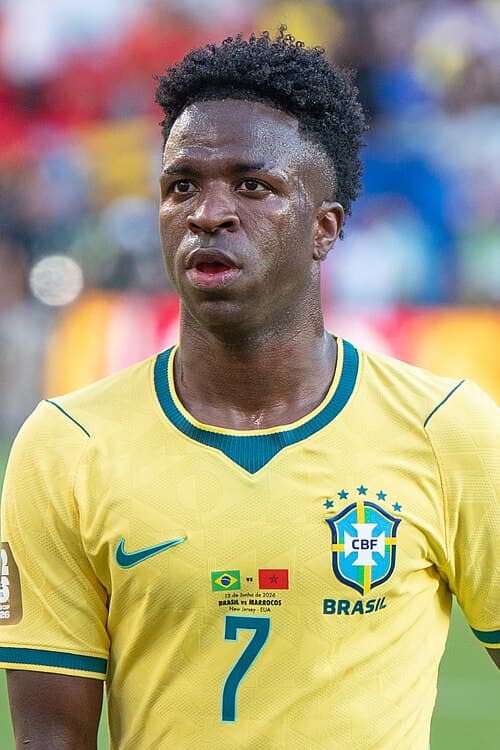
The Brazilian winger is associated with one-against-one attacking and changes of direction. His speed becomes especially effective when he can threaten both the outside run and the inside route. Watching how a defender sets their feet before the duel helps explain why a feint can be more valuable than a trick.
9. Jude Bellingham
An England midfielder with a broad range of roles.
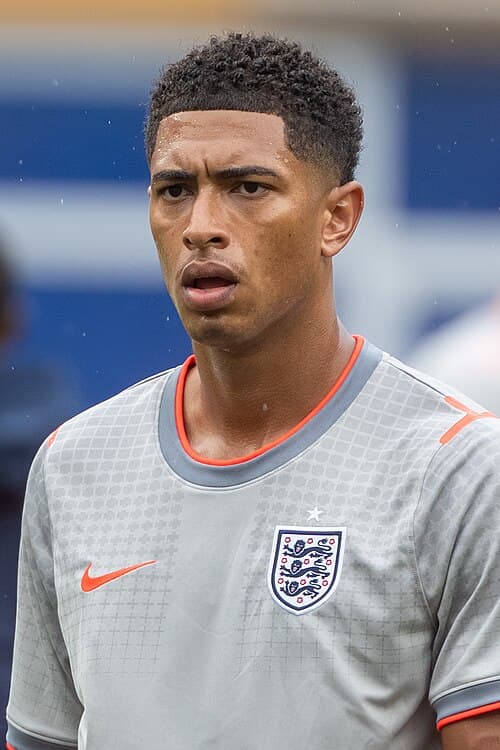
Bellingham is a useful introduction to the idea that midfielders need not stay in one fixed lane. He can carry the ball, support a teammate and arrive higher up the pitch. To understand his involvement, follow the movement between phases rather than trying to identify one permanent spot on the team sheet.
10. Lamine Yamal
His given name is Lamine; Yamal is not a nickname.
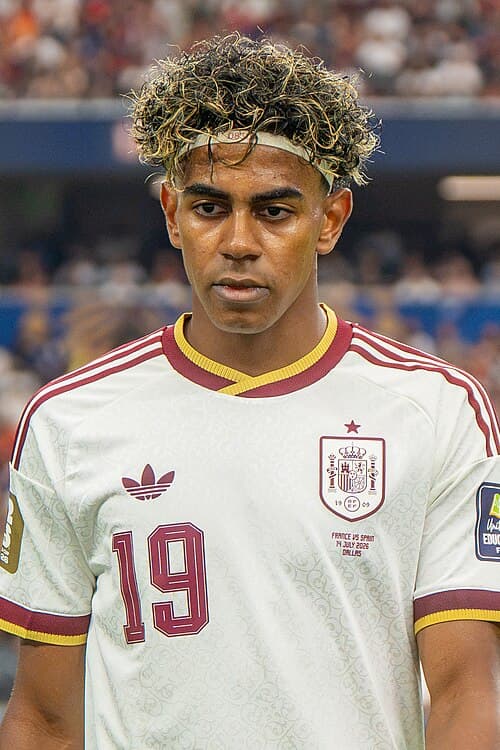
The Spanish winger is especially recognisable on the right, where his left foot gives him passing and shooting options toward the centre. Watching him receive near the touchline shows why body orientation matters. The first touch can invite a defender forward or protect the route into a more dangerous area.
Following the matches
If you also compare betting sites, our Australian guide explains the options and account terms to check. A historical ranking or an individual award is context for watching football, not a prediction of a match result.
Sources and further reading
Image sources, creators and licences are credited under each entry. Editorial opinions are distinguished from dated official rankings in the selection method above.