Top 10 football players of all time: greatness across the eras
By Sports Brief Published Football
Messi, Pelé, Maradona and more: our ranking balances peak ability, sustained excellence and influence across different eras.
Comparing players from different eras means comparing different pitches, laws, schedules and tactical demands. A simple total of goals or individual awards cannot settle the argument, especially for defenders and players whose careers predate modern coverage.
This list gives sustained brilliance weight without forgetting the players who changed what supporters thought football could look like. Positions below the very top are deliberately debatable: the reasoning matters more than pretending there is a universally accepted order.
How this list was selected: An editorial men’s all-time ranking, not a statistical formula. We consider peak performance, longevity, influence and major international and club stages; opportunities and award eligibility differ across eras.
1. Lionel Messi
The strongest combination of creation, dribbling and finishing.
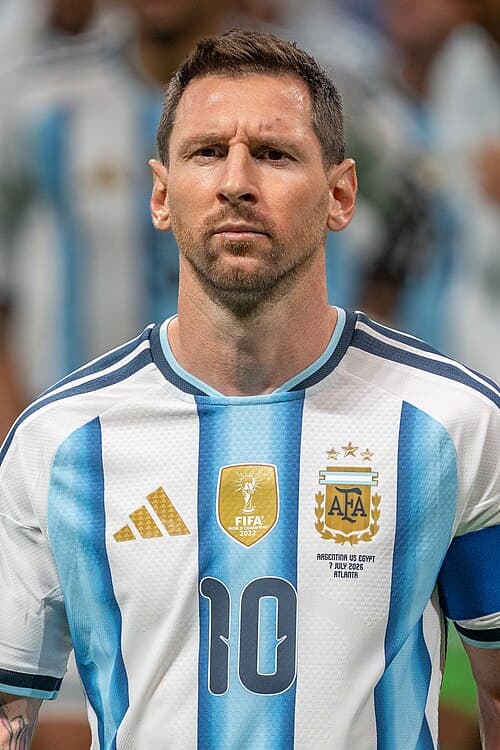
Messi’s case rests on how much of an attack he can shape himself. He can beat the first defender, supply the final pass or finish the move, often without changing the apparent rhythm of his game. That breadth, sustained across a long career, makes him our first choice rather than simply our favourite scorer.
2. Pelé
An enduring standard for the complete forward.
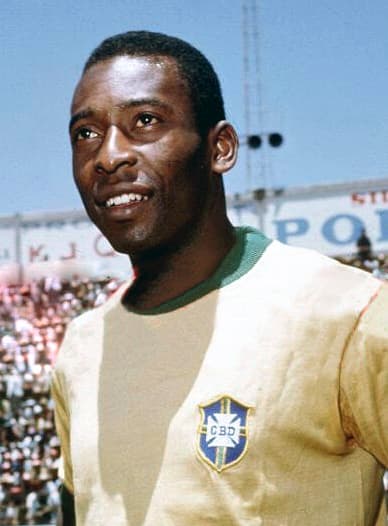
Pelé combined athleticism, imagination and a striking range of ways to finish. His place cannot be reduced to a disputed career-goal total: the more useful question is what opponents had to defend against. He remains the only man to have won three World Cups, a foundation for his exceptional historical standing.
3. Diego Maradona
A peak that still shapes arguments about individual influence.
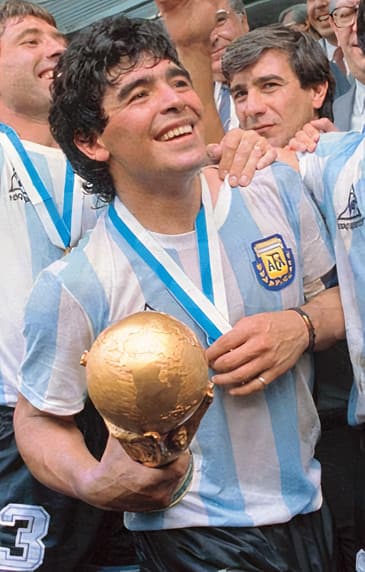
Maradona’s greatest performances made the ball feel inseparable from the player. He could receive in crowded areas, escape contact and turn a defensive moment into an attack. His influence on the emotional identity of a team is part of the case, alongside the extraordinary control visible in his most celebrated matches.
4. Cristiano Ronaldo
A model of reinvention around an exceptional scoring instinct.
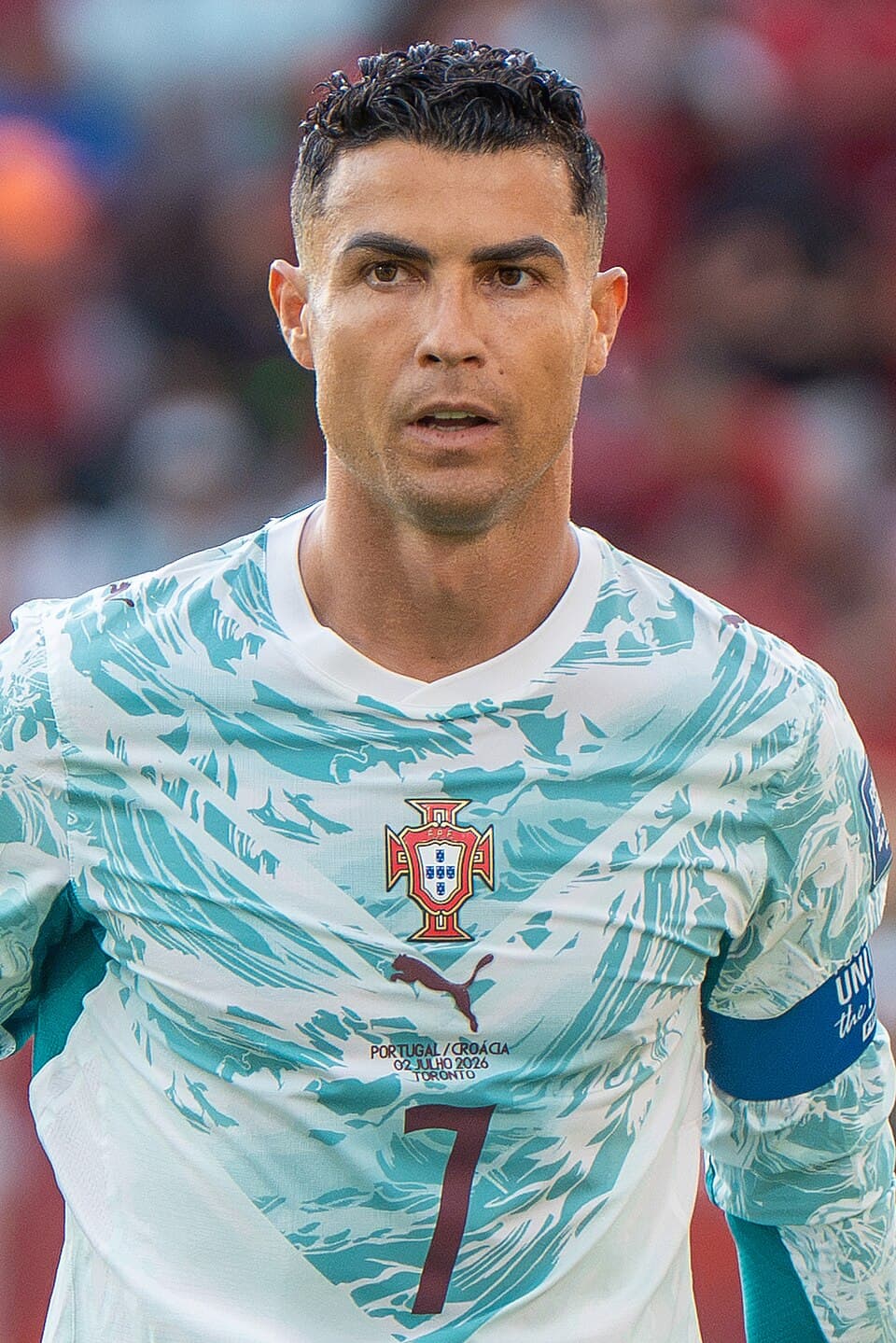
Ronaldo’s career is an argument for adaptation. The wide attacker became a more direct scorer, and then a penalty-area specialist without losing his sense of decisive moments. Movement, timing and aerial ability are as important to that story as spectacular strikes. Sustaining that threat is what puts him in this company.
5. Johan Cruyff
A player whose understanding of space became a football philosophy.
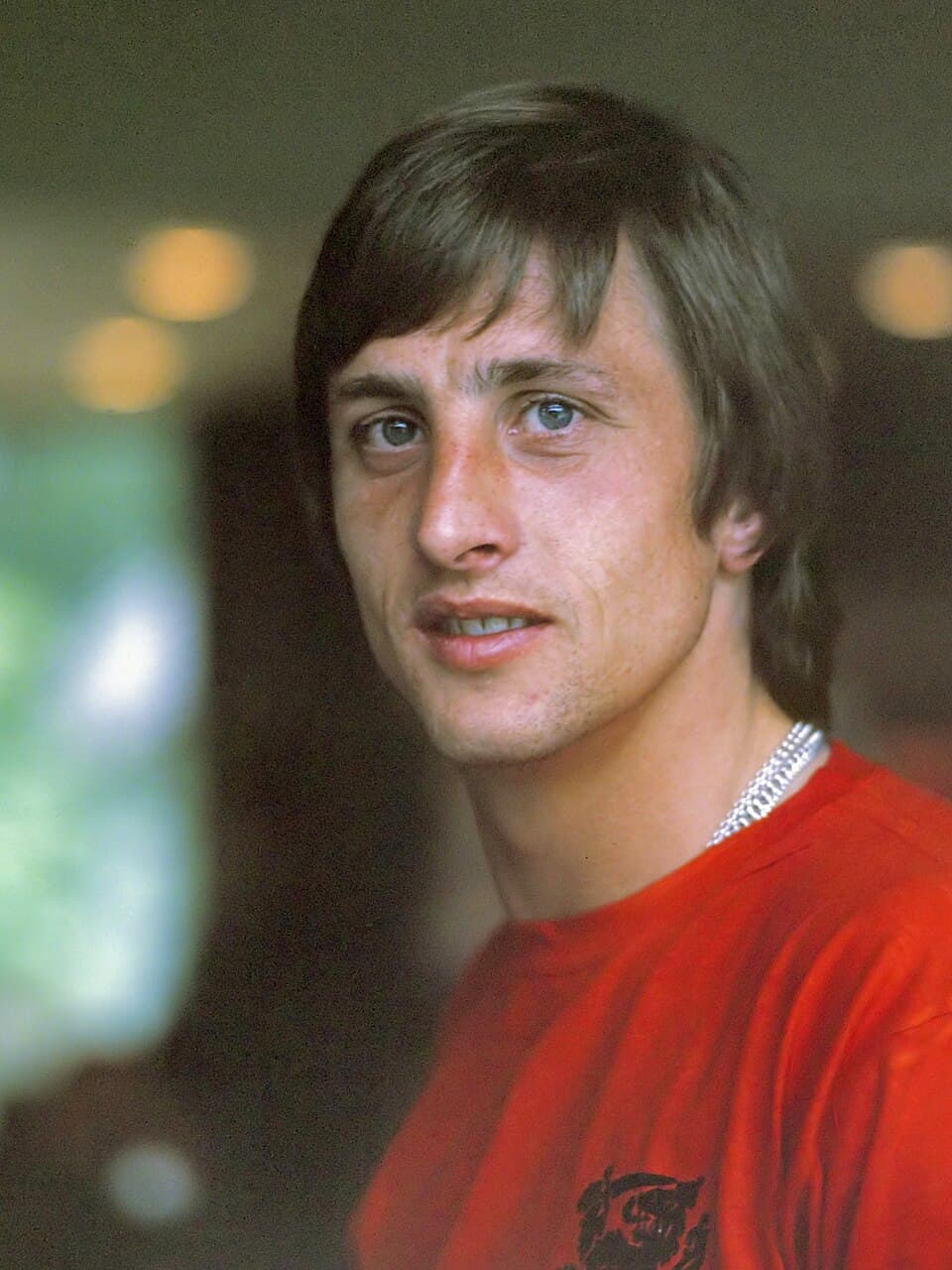
Cruyff’s greatness is visible in what happens around him as much as in his touches. Movement opens passing options, changes defensive decisions and makes teammates part of the same idea. His legacy as a coach can obscure the player, but his intelligence and technical authority were already evident on the pitch.
6. Alfredo Di Stéfano
The all-round influence that makes a team function.
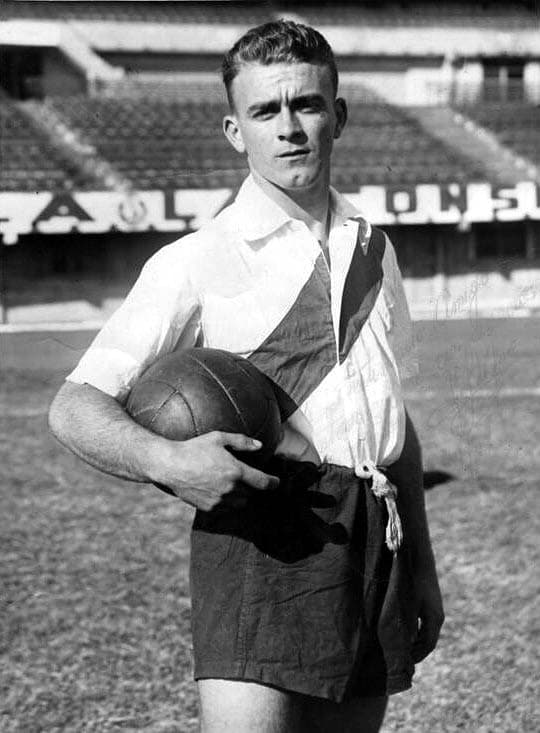
Di Stéfano resists a narrow positional description. His reputation rests on involvement throughout the game: linking, arriving, finishing and helping set a team’s tempo. In an all-time debate dominated by specialist highlights, he represents a different type of greatness, where constant participation can matter as much as a single brilliant action.
7. Franz Beckenbauer
Defending as the beginning of an attack.
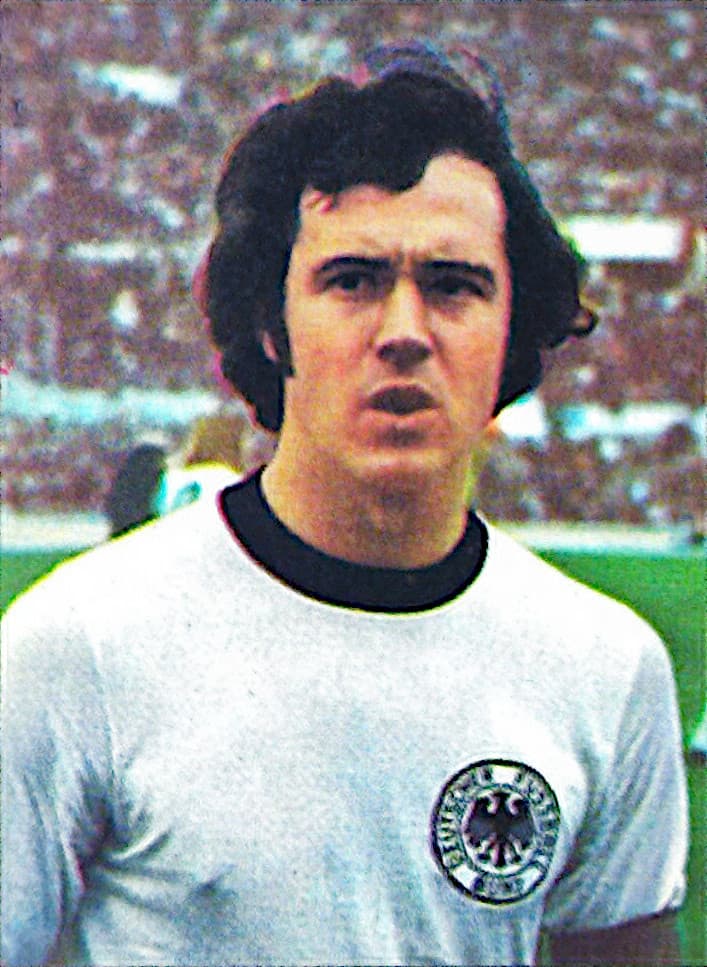
Beckenbauer’s elegance should not distract from his command of situations. He could read danger and then turn recovery into progression with composure. His presence makes the list less dependent on attacking numbers. A player who changes how a side builds from deep can shape a match without appearing in its scoring summary.
8. Zinedine Zidane
First touch, balance and authority in midfield.
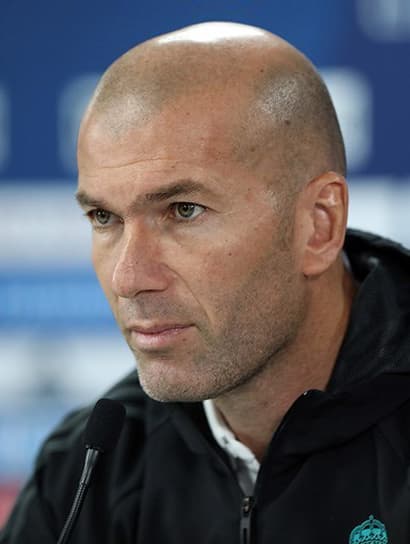
Zidane’s control bought time where other players would have rushed. The first touch created room for the next decision, and his balance allowed him to protect the ball without losing the option to pass forward. For viewers who value the ability to govern the mood of a match, his case is particularly persuasive.
9. Ronaldo Nazário
A centre-forward whose acceleration changed the geometry of defending.
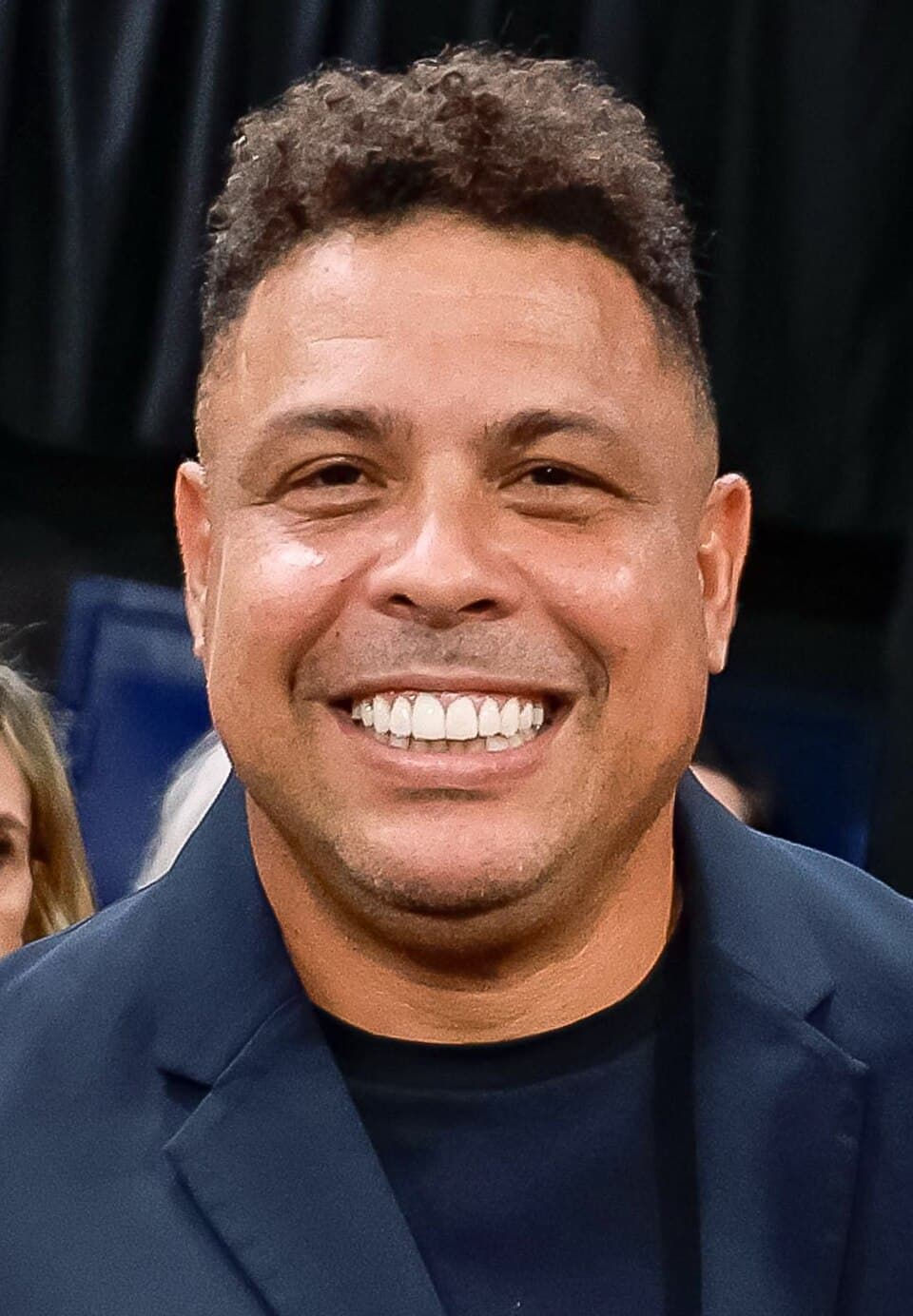
At his best, Ronaldo joined a powerful runner’s speed to a dribbler’s touch. Defenders could neither simply stand off nor commit without risk. Injuries are part of any assessment of his longevity, but the quality of his peak keeps him near the top of a list designed to recognise more than accumulated appearances.
10. Paolo Maldini
The defensive representative in an attack-heavy debate.
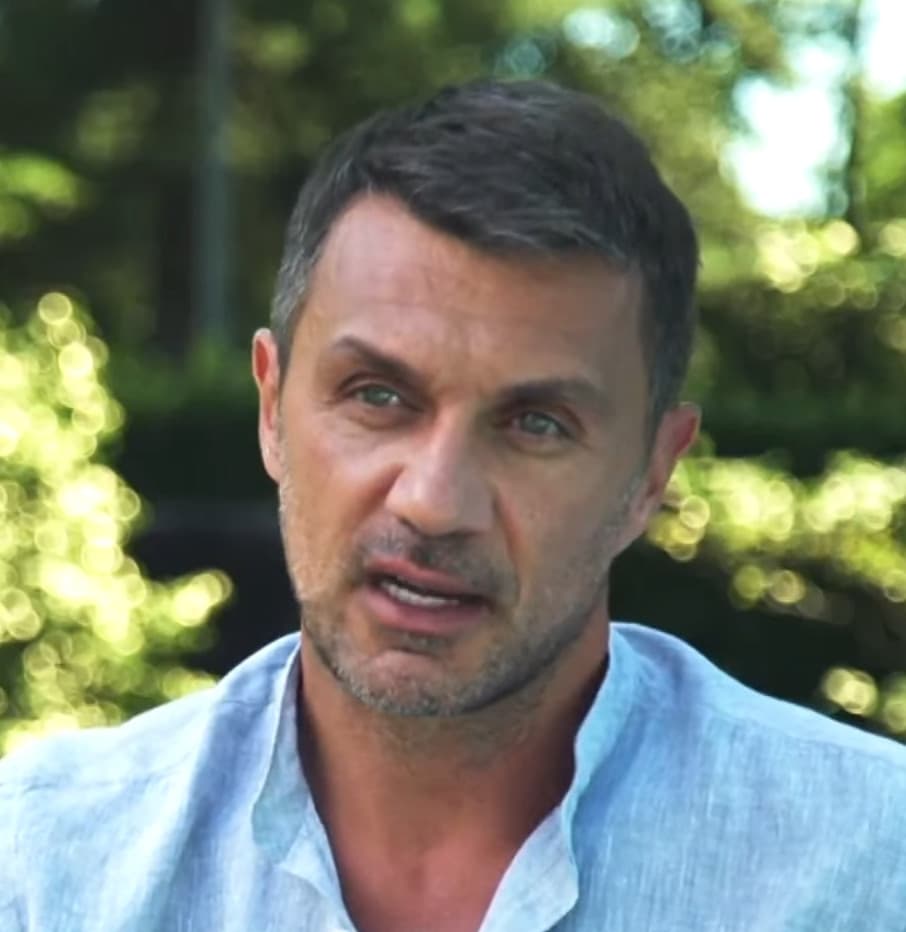
Maldini offers a reminder that excellence can mean preventing the dramatic moment. Positioning, anticipation and measured challenges made his defending look calm rather than spectacular. His inclusion rewards the difficult combination of technical assurance and defensive judgement, and gives this ranking a counterweight to the natural bias toward goals and assists.
Following the matches
If you also compare betting sites, our Australian guide explains the options and account terms to check. A historical ranking or an individual award is context for watching football, not a prediction of a match result.
Sources and further reading
Image sources, creators and licences are credited under each entry. Editorial opinions are distinguished from dated official rankings in the selection method above.