Top 10 football leagues and the “FIFA ranking”: what the table actually means
By Sports Brief Published Football
FIFA does not rank domestic leagues. Here are ten European leagues using UEFA’s completed 2025/26 association coefficients, with the distinction explained.
There is no official FIFA ranking of the world’s domestic football leagues. FIFA’s men’s World Ranking concerns national teams. Calling a league list a “FIFA ranking” therefore confuses two different things.
For an objective European comparison, UEFA publishes association coefficients based on clubs’ results in its competitions. The ten entries below follow the completed 2025/26 five-season table, updated on 3 July 2026. We use that fixed season rather than presenting an in-progress table as permanent.
How this list was selected: This is UEFA’s completed 2025/26 five-season association coefficient order, as displayed in its dated season table, not a worldwide FIFA league ranking. It measures European competition performance and does not include leagues outside UEFA.
1. England — Premier League
First in the selected UEFA association table.
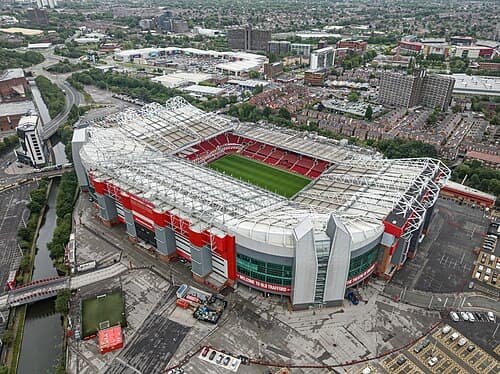
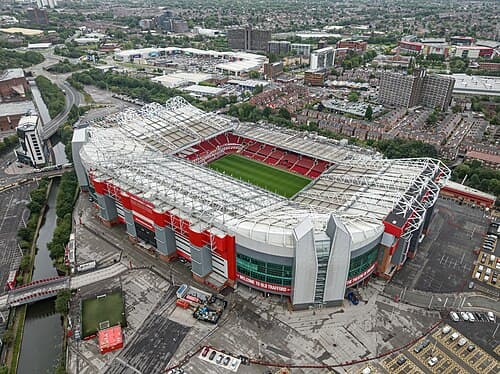
A coefficient describes an association’s collective European record, not the certainty that its champion will beat every opponent. England’s position is useful context when comparing the depth of clubs competing abroad. It should still be separated from questions about entertaining football, academy quality or the outcome of one tie.
2. Italy — Serie A
Second in the selected UEFA association table.
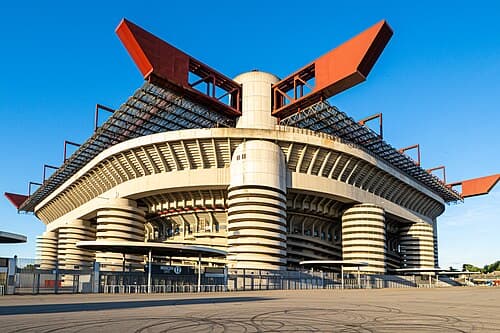
This place is a comparison of accumulated European competition performance. It is not a judgement on one tactical approach or one famous club. A supporter using the table should ask which clubs contributed, how broadly the results were spread and whether the current season is strengthening or weakening that longer picture.
3. Spain — La Liga
Third in the selected UEFA association table.
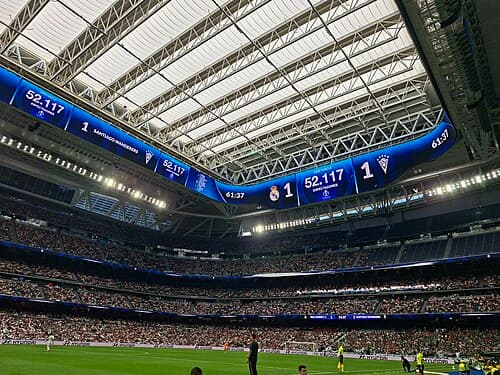
The position belongs to the association rather than to Real Madrid or Barcelona individually. That distinction matters: an iconic club can dominate international attention without fully describing its domestic league. The coefficient gives an additional lens, but a viewer still needs to examine the wider competition.
4. Germany — Bundesliga
Fourth in the selected UEFA association table.

A five-season view smooths out some of the noise of one unusual campaign. That makes it useful for comparison, although older results remain part of the calculation. Treat it as a record of performance across a period rather than an up-to-the-minute power rating for every Bundesliga side.
5. France — Ligue 1
Fifth in the selected UEFA association table.
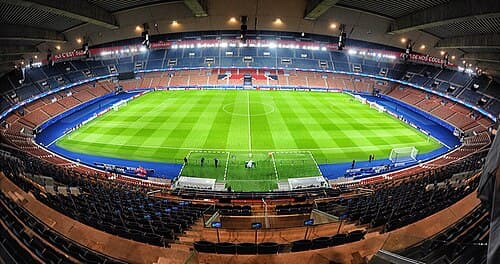
The coefficient lens captures European outcomes. It does not directly measure how many prospects a league develops or how appealing its domestic matches are. France is a good reminder that one ranking can answer a precise competition question without settling every argument about the overall strength of a league.
6. Portugal — Primeira Liga
Sixth in the selected UEFA association table.
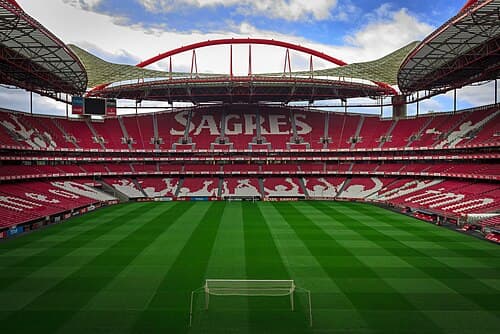
Supporters sometimes compare a league’s most famous club with the average side in another competition. Association rankings provide a more consistent starting point, but the full distribution of results still matters. Use this entry alongside individual club records rather than as a replacement for them.
7. Netherlands — Eredivisie
Seventh in the selected UEFA association table.

The Dutch entry belongs to an association-wide European measure. It should not be mistaken for a verdict on the technical ability of every player in the league. Domestic playing style and the development of young talent remain separate reasons someone might choose to watch Eredivisie football.
8. Belgium — Belgian Pro League
Eighth in the selected UEFA association table.

Belgium’s inclusion illustrates why an objective comparison can extend beyond the five leagues that receive the most international attention. It also encourages viewers to consider how clubs perform outside their domestic setting, rather than using familiarity or the size of a television audience as the only proxy for quality.
9. Türkiye — Süper Lig
Ninth in the selected UEFA association table.
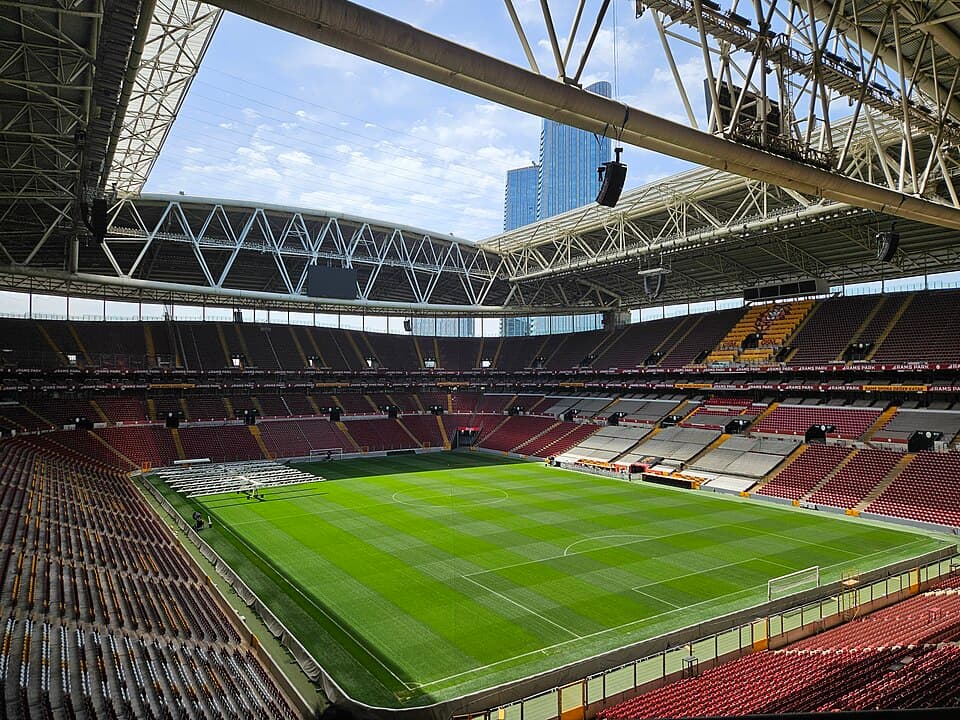
A coefficient-based comparison offers a different answer from a list based on stadium atmosphere or supporter numbers. Turkish football can be followed for those experiences in their own right. The association’s position here has the narrower meaning defined in the methodology, without claiming to measure every aspect of its football culture.
10. Czechia — Czech First League
Tenth in the selected UEFA association table.

This final entry shows the value of stating a method before publishing a top ten. A shortlist based on global viewing habits might look different. Under this European results-based method, Czechia completes the selected table; that is an answer about a defined dataset, not a universal hierarchy of football.
Following the matches
If you also compare betting sites, our Australian guide explains the options and account terms to check. A historical ranking or an individual award is context for watching football, not a prediction of a match result.
Sources and further reading
Image sources, creators and licences are credited under each entry. Editorial opinions are distinguished from dated official rankings in the selection method above.