Top 10 football leagues in the world: our global shortlist
By Sports Brief Published Football
From the Premier League to Brazil’s Série A, ten domestic competitions worth following and what makes each different.
The best football league depends on what you want to watch. One competition can have greater depth, another can be a better stage for young players, and another can offer the most intense rivalries. A ranking that looks only at one famous club misses most of the picture.
Our shortlist balances the quality of a league’s leading teams with the character of the competition around them. Europe supplies most of the entries, but Brazil, Argentina and North America belong in a genuinely global conversation.
How this list was selected: An editorial ranking of men’s domestic leagues, weighing depth, technical quality, continental pedigree and international influence. It is not an official FIFA table or a prediction of individual match results.
1. Premier League — England
Our pick for competitive depth and global reach.
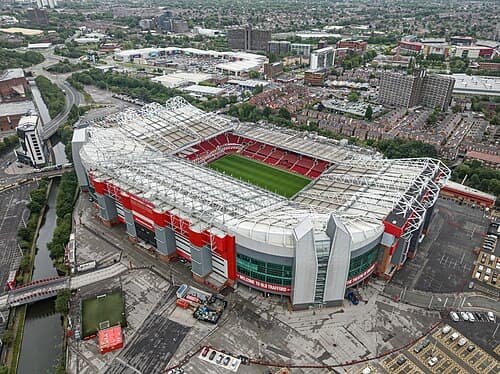
The attraction is the number of clubs capable of building demanding, high-tempo matches. Different managerial approaches coexist, from patient possession to aggressive transition play. For a new viewer, the depth of recognisable clubs makes it easy to find a fixture beyond the title race worth watching.
2. La Liga — Spain
Technical football with heavyweight rivalries.
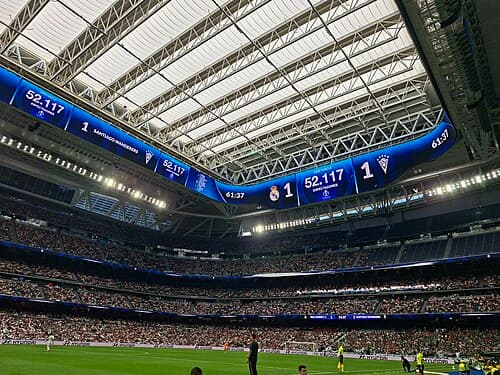
Spain’s top division rewards watching the spaces between the lines. Midfield positioning, combinations around the box and the ability to play through pressure are central pleasures. Real Madrid and Barcelona draw attention, but following the rest of the competition gives a fuller picture than treating every weekend as an extension of El Clásico.
3. Serie A — Italy
A rich tactical vocabulary and distinct club identities.
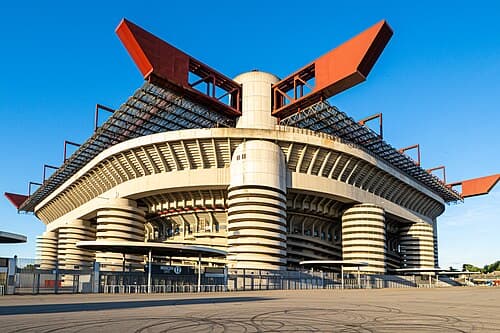
Italian football is a strong choice for viewers who enjoy how teams solve problems. Defensive organisation matters, but so do wing-back movements, different pressing schemes and the use of two-striker combinations. A close game can be compelling because of the adjustments, rather than simply the number of chances.
4. Bundesliga — Germany
A compelling setting for intensity and attacking movement.
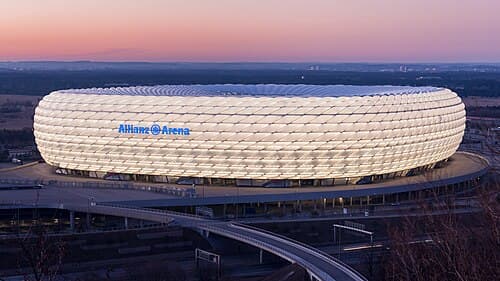
The Bundesliga’s appeal includes ambitious pressing and the spaces those pressing systems can leave. It is particularly enjoyable to watch how a team responds after regaining possession. Stadium culture adds another dimension: the visual and vocal presence of supporters is part of the experience, not just a backdrop.
5. Ligue 1 — France
A competition that rewards watching players develop.

France’s top division is worth following beyond its most recognisable club. Young attackers and defenders are often asked to handle demanding one-against-one situations. Watching a player’s decision-making improve over a season can be as interesting as a title challenge, especially before that player becomes a familiar transfer headline.
6. Brasileirão Série A — Brazil
A major domestic competition with its own rhythm.

Brazil belongs on a world list for the richness of its club culture and football tradition. The domestic campaign should be understood alongside state and continental competitions, rather than judged through a European calendar. Rivalries, changes in momentum and the contrast between established names and emerging players give it a distinctive texture.
7. Primeira Liga — Portugal
A useful window into coaching and player development.
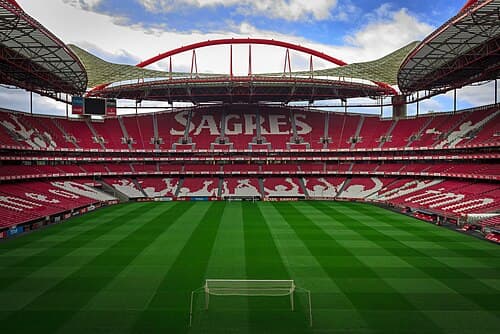
Portuguese football is a good place to follow the relationship between developing players and building successful teams. The established leading clubs offer different football identities and demanding expectations. Paying attention to the league before a player moves abroad makes later transfer discussions much more meaningful.
8. Eredivisie — Netherlands
A rewarding league for attacking ideas and emerging talent.

The Eredivisie is particularly interesting when you watch how teams create overloads and move the ball into the final third. Its reputation for development should not reduce every player to a future transfer. The competition has its own stakes, rivalries and stylistic differences that deserve to be followed on their own terms.
9. Argentina’s top division
History, pressure and club loyalties give every fixture context.

Argentine domestic football offers a dense network of neighbourhood identities and rivalries. It is worth checking the current competition format before following a season, because a familiar league-table assumption can be misleading. The reward is an understanding of clubs and supporters that international highlights alone rarely provide.
10. Major League Soccer — United States and Canada
A different league structure and a broad range of clubs.

MLS offers a useful contrast to a conventional single-table European season. Conferences, the regular season and the playoffs shape the way teams manage their campaigns. For viewers arriving through a star player, following the wider schedule helps explain how travel, squad building and postseason qualification influence the competition.
Following the matches
If you also compare betting sites, our Australian guide explains the options and account terms to check. A historical ranking or an individual award is context for watching football, not a prediction of a match result.
Sources and further reading
- UEFA: how association coefficients work
- Premier League official competition site
- MLS: competition and clubs
Image sources, creators and licences are credited under each entry. Editorial opinions are distinguished from dated official rankings in the selection method above.