 Formula 1
Verstappen Laughed Out Loud in Simulator After Silverstone’s 2026 Energy Management Demands Became Clear
Formula 1 · Jun 29

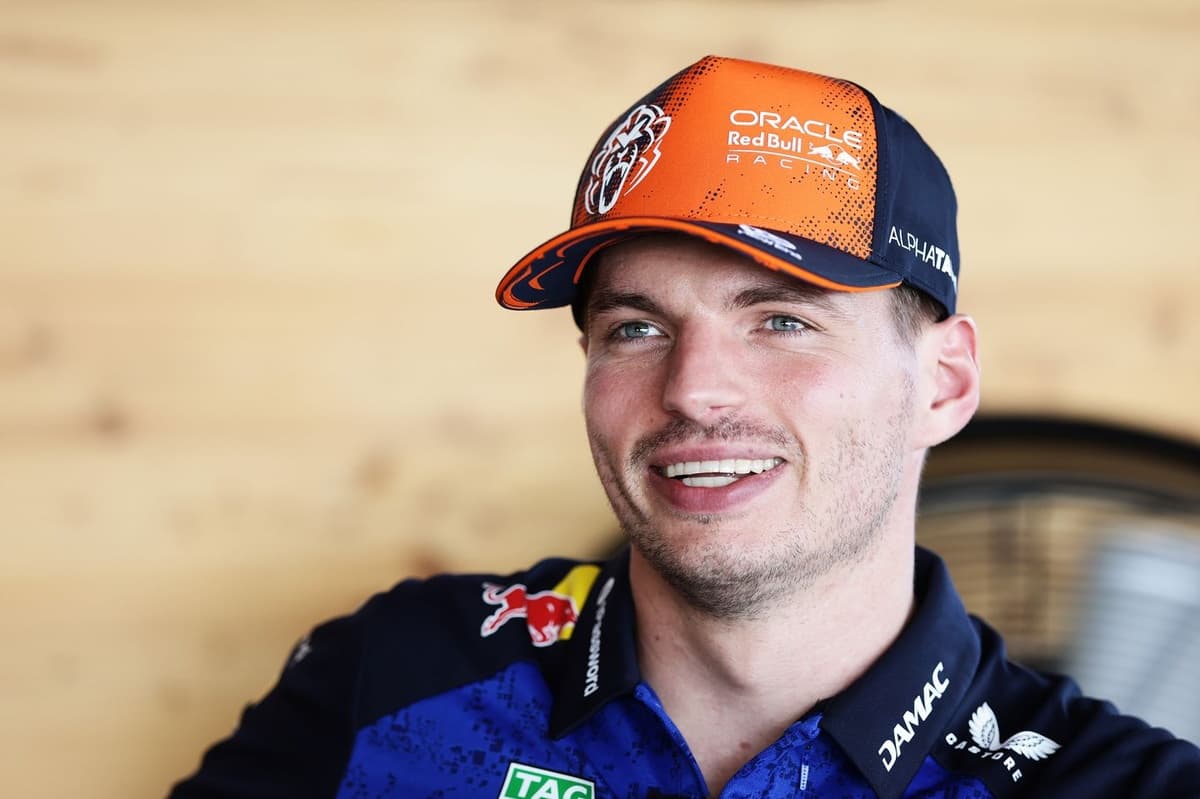
GT3 racing’s founding architect Stephane Ratel says Max Verstappen is drawn to the category because its Balance of Performance system ensures drivers — not machinery — determine outcomes. The four-time F1 champion is set to make his Nurburgring 24 Hours debut later this month.
Max Verstappen’s growing involvement in GT3 racing is rooted in the category’s ability to level the competitive playing field, according to Stephane Ratel, the man widely credited with establishing GT3 as the global standard for GT-based competition. Speaking to Autosport, Ratel described Verstappen as a “driver at heart” whose competitive instincts are better served in a formula where the driver, rather than the car, is the decisive factor.
The core of Ratel’s argument centres on the structural difference between Formula 1 and GT3 competition. While F1 operates under technical regulations that have historically produced extended periods of dominance — Verstappen himself won four consecutive world championships from 2021 to 2024 — GT3 racing employs a Balance of Performance system designed to equalise machinery across manufacturers and minimise the advantages that engineering resources can provide.
“With GT racing, we have achieved perfection in all of this world,” Ratel told Autosport. “Nobody can say that anything is perfect, but over the years, we have developed an extremely accurate Balance of Performance. And it’s a category where really drivers do make the difference. It’s about the drivers because the cars themselves are very much balanced, and that’s an arena where drivers can make a difference.”
Ratel drew a sharp contrast with F1’s engineering-driven nature, pointing to the career of Ayrton Senna as an illustration of how even the sport’s greatest talents can be undermined by equipment. “You can be the best driver in the world, but if you are not in the car of the year, you’re going to have a hard time,” he said. “Ayrton Senna had a hard time with McLaren when Williams came with the active suspensions. Formula 1 is most and foremost an engineering exercise.”
Verstappen’s expanding sportscar programme in 2026 reflects this shift in priorities. Having initially tested the waters at the Nordschleife in 2025 — first in a Porsche Cayman GT4 RS to obtain his Grade A licence, then winning his debut GT3 race in an Emil Frey-entered Ferrari 296 GT3 shared with Chris Lulham — the Dutchman has significantly increased his commitment this season. Winward has entered a Mercedes-AMG GT3 under the Verstappen Racing banner across several NLS rounds, and his Nurburgring 24 Hours debut is scheduled for later this month. He also sampled a Nissan Z GT500 machine at Fuji Speedway in March during a Red Bull promotional exercise.
The timing of Verstappen’s deepening engagement with GT3 coincides with a difficult period in his F1 career. Red Bull has struggled for podium finishes in 2026, and the Dutchman has been open about his reservations regarding the sport’s new technical regulations introduced this season, going so far as to publicly reconsider his long-term future in F1. He has, however, stated on multiple occasions that any such decision would not hinge solely on competitiveness.
Ratel acknowledged the paradox at the heart of Verstappen’s attraction to sportscar racing. “It’s a paradox because one is a drivers’ championship, and sportscar racing in general has always been perceived as more of a manufacturers’ championship,” he said. “But in the end, the drivers really can make the difference in the GT racing of today. It’s why the drivers at heart, like Max, like Valentino [Rossi], who are competitors to the very, very DNA, appreciate a category where they are sure they can make a difference.”
Beyond Verstappen’s personal motivations, Ratel also addressed the broader impact the four-time world champion has had on GT3’s public profile. The category was founded 20 years ago and has since become the default platform for GT-based motorsport globally. “Max is great. He has brought a very positive contribution to the class,” Ratel said, while noting that Verstappen follows in the footsteps of figures such as Valentino Rossi and the late Alex Zanardi — whom Ratel referenced with condolence — in helping bring wider recognition to the series.
Separately, reports indicate that Ford has entered into discussions with Verstappen regarding potential WEC Hypercar opportunities, suggesting his appetite for competition outside of Formula 1 extends beyond GT3 alone.
Formula 1Formula 1 · Jun 29
 Formula 1
 · Jun 28
 Formula 1
 · Jun 28
 Formula 1
 · Jun 28