 Formula 1
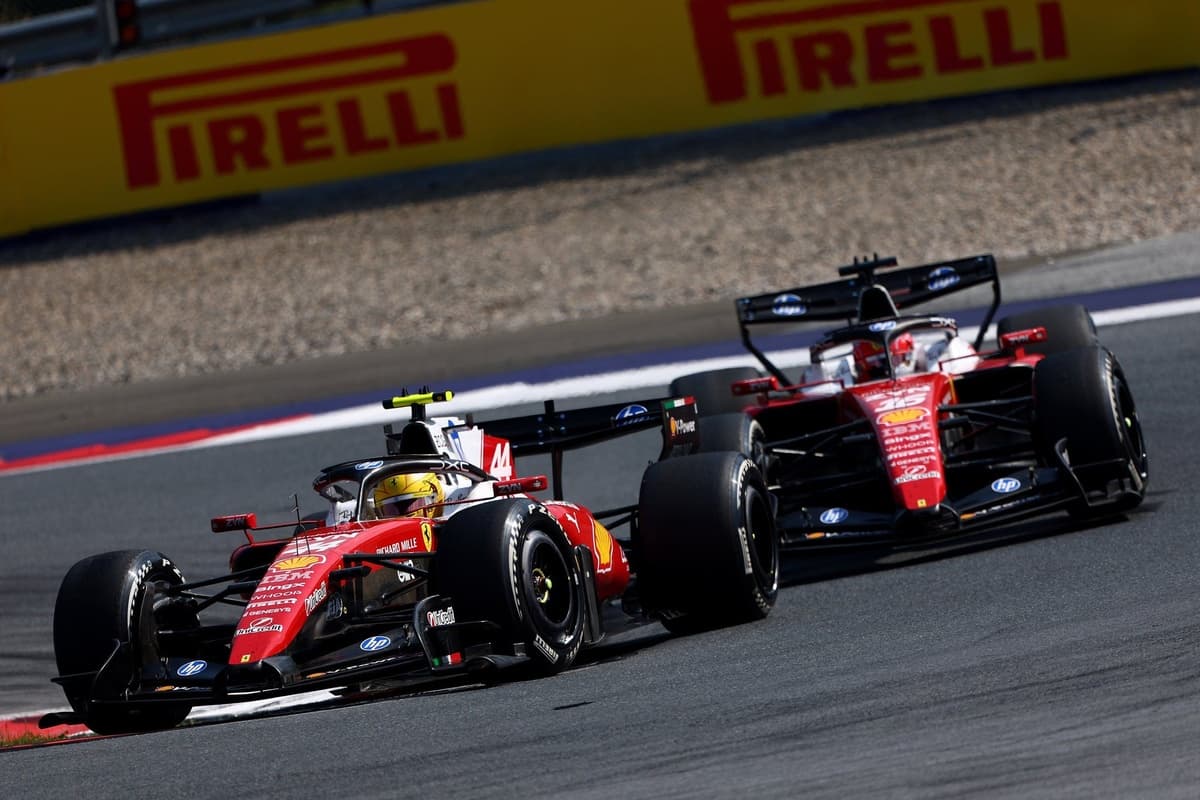
Hamilton and Leclerc Left Without Answers After Ferrari’s Tyre Nightmare at 2026 Austrian Grand Prix
Formula 1 · Jun 28

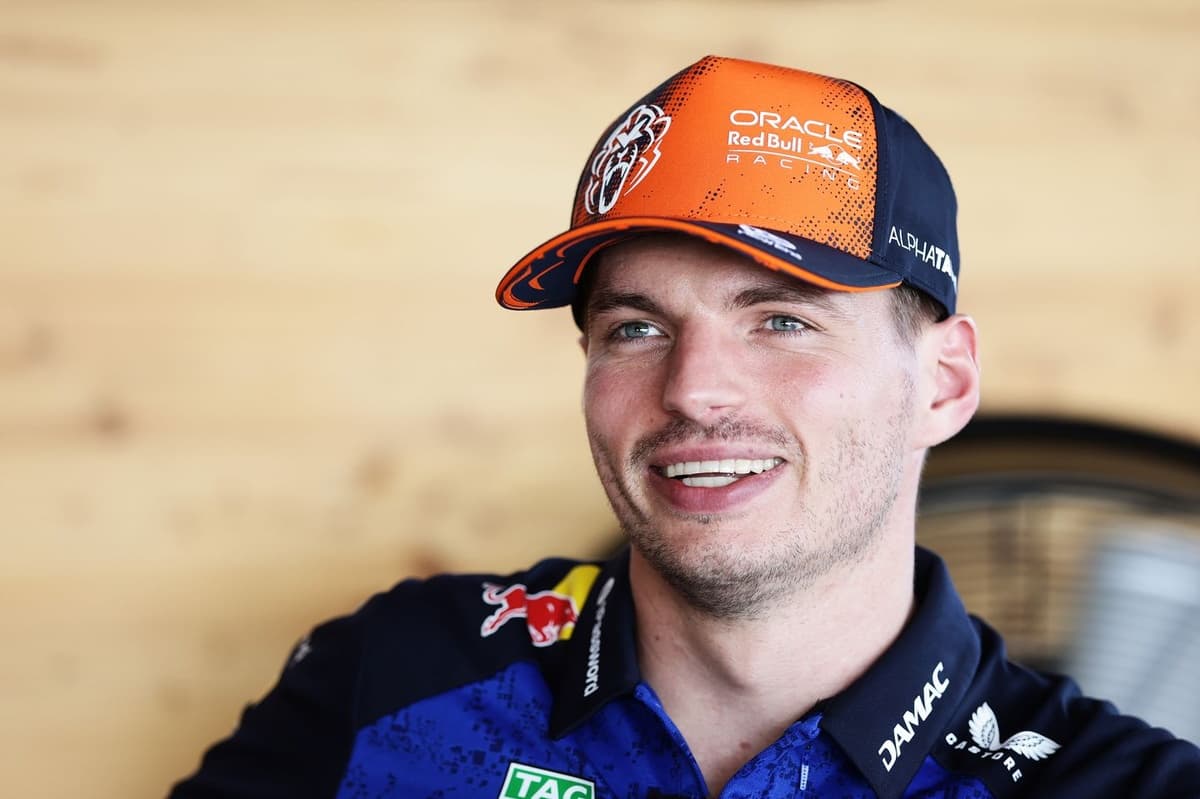
Max Verstappen says Silverstone’s fast and flowing layout will make the British Grand Prix one of the most energy-management-intensive circuits of the 2026 Formula 1 season. The four-time world champion admits the experience in the Red Bull simulator left him laughing at how different the track now feels.
Max Verstappen is bracing for one of the most demanding energy management challenges of the 2026 Formula 1 season at the British Grand Prix, warning that Silverstone’s high-speed layout will make it feel like an entirely unfamiliar circuit compared to previous years.
Speaking after finishing on the podium at the Austrian Grand Prix in Spielberg — his second podium finish of the season — Verstappen revealed that simulator sessions at Red Bull’s facility in Milton Keynes had already made the scale of the challenge apparent. “Silverstone, I love the track, but I did a few laps on the simulator and I just started laughing,” he said. “It felt like a different track, to be honest.”
The root of the issue lies in Silverstone’s characteristic layout. Unlike circuits such as Monaco, where frequent slow corners and heavy braking zones allow drivers to push flat out throughout qualifying while naturally recovering energy, or the Red Bull Ring in Austria, which features multiple significant braking zones, Silverstone’s fast and flowing design offers very few opportunities to replenish battery charge. The iconic sequence through Copse, Maggots, and Becketts — all high-speed, flat-out corners — provides no meaningful braking zones for energy recovery.
“Here [in Austria] you have long straights and big braking zones, so you can charge the battery,” Verstappen explained. “There, you have long straights but then a fast corner, for example, so you can’t really charge the batteries, and then the next straight you don’t have a lot to spend. It’s going to be a tough one.”
Verstappen noted that the phenomenon is not entirely new to the 2026 season. Suzuka’s famous 130R corner — already a flat-out section for several years — presented a comparable problem earlier in the calendar, with drivers reportedly losing around 50km/h through the corner due to energy limitations. Silverstone is expected to produce similar or greater challenges given the extended nature of its high-speed sections.
The 2026 regulations introduced significant changes on both the chassis and power unit sides. The previous generation of ground-effect cars required extremely stiff and low setups, and Verstappen acknowledged that the new regulations represent a step forward in terms of chassis feel. However, he maintained that those gains are undermined at circuits like Silverstone by the constant demands of energy deployment. “You barely have battery around the lap. It’s just constantly flat,” he said. “So yes, it’s going to feel very different compared to what we are used to around Silverstone, because of the layout of the track.”
Verstappen also reflected on how the 2026 cars compare more broadly to the ground-effect generation, which he described as “boats” in slow-speed corners but renowned for their high-speed performance. While many observers have viewed the new cars positively — drivers are seen fighting the wheel more and cars appear less planted — the energy management dimension adds a layer of complexity that Verstappen describes as unnatural. “I think this is less natural, but it goes hand-in-hand with the energy management, right? Because half of the time you cannot use the gears that are natural. So, this is less natural than what it used to be, or what real racing used to be.”
Despite his reservations about the current formula, Verstappen expressed satisfaction with how Formula 1 and the FIA have responded to driver feedback. Regulation changes confirmed for 2027 and 2028 will increase the role of the internal combustion engine in two stages — moving to a 58-42 ICE-to-electrical split in 2027 before reaching the intended 60-40 ratio in 2028. Those changes are understood to be a contributing factor in Verstappen’s continued commitment to the sport beyond the current season.
His broader frustration with 2026 was evident nonetheless. “Everything has been incredibly complicated this year with so many different things. You leave the pits and the car stops, things like that. Most of the time I just have to count to 10, or in fact to 100,” he said. The British Grand Prix at Silverstone is scheduled to follow the Austrian GP as part of a busy mid-season European stretch on the 2026 Formula 1 calendar.
Formula 1Formula 1 · Jun 28
 Formula 1
 · Jun 28
 Formula 1
 · Jun 28
 Formula 1
 · Jun 27