 Formula 1
Verstappen Laughed Out Loud in Simulator After Silverstone’s 2026 Energy Management Demands Became Clear
Formula 1 · Jun 29

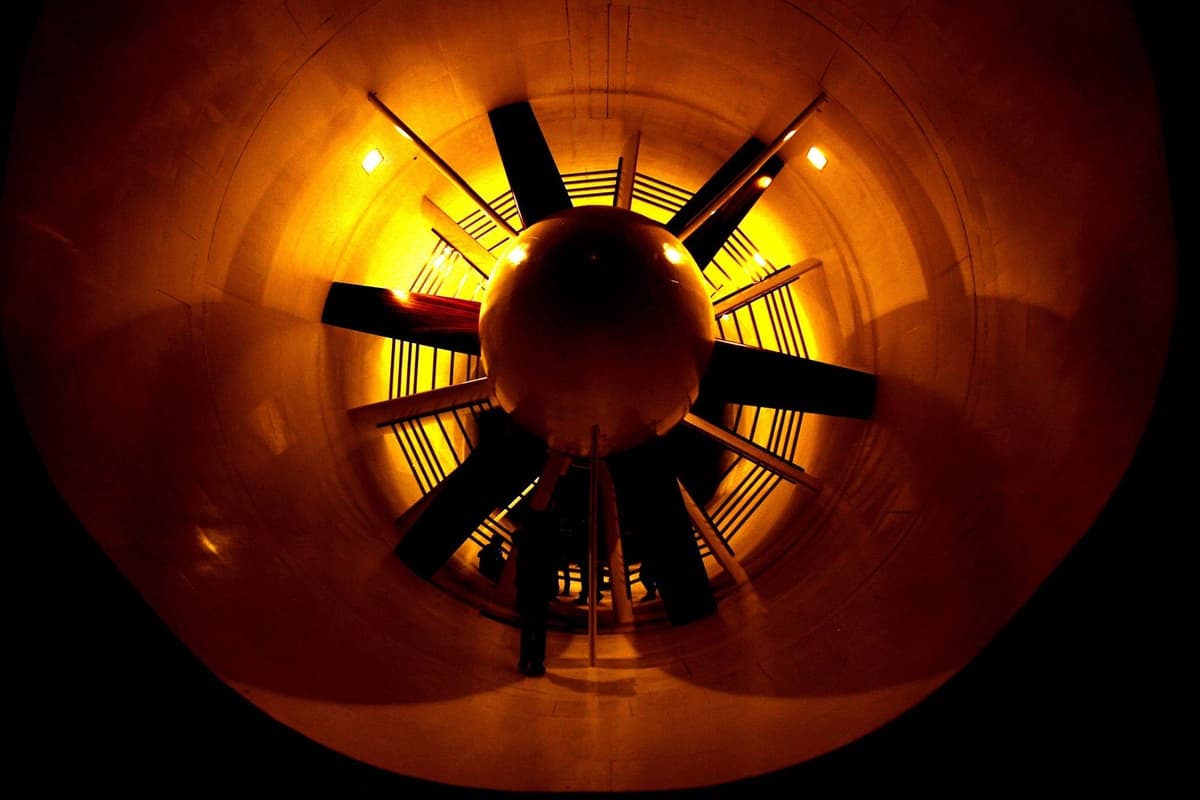
Red Bull technical director Pierre Wache has confirmed the team’s long-awaited new wind tunnel on its Milton Keynes campus will not be operational until early 2027, as the constructor continues to develop the RB22 using the oldest wind tunnel in Formula 1.
Red Bull Racing will not have access to its new wind tunnel until early 2027, technical director Pierre Wache has confirmed, meaning the team must continue developing both its current and future challenger using a facility that former team principal Christian Horner repeatedly labelled “a Cold War relic.”
Speaking to Autosport, Wache acknowledged progress in the team’s aerodynamic correlation but was measured in his assessment. “Yes, it’s going in the right direction, but still we have the same tool and the same issues. We are limited by… Well, we are trying to maximise what we have and we’ll see for the rest,” he said. “But we have a new tool coming soon and I hope it will bring us another step.”
On the timeline for that new facility, currently under construction at the team’s Milton Keynes base, Wache stated: “We hope that we will have it running at the beginning of next year.” This represents a shift from comments made in 2025, when Wache indicated construction was running three months ahead of schedule. The revised outlook means the new tunnel will arrive too late to influence the 2026 season in any meaningful way, and will only begin to inform early development work on Red Bull’s 2027 car.
The correlation issues that have complicated Red Bull’s 2026 campaign were brought into focus at the Japanese Grand Prix in Suzuka, where Max Verstappen said he could not feel the difference from the team’s first significant upgrade of the year. However, Wache noted that the subsequent Miami package — which featured Red Bull’s own interpretation of the so-called Macarena wing alongside heavily revised sidepods — performed as the team had anticipated. “Those sidepods have been in the pipeline since Bahrain testing,” Wache clarified, adding that the original upgrade intended for the Bahrain Grand Prix was effectively the package introduced in Japan, following the cancellation of the Middle East races in April.
Horner, during his tenure as team principal, was candid about the limitations of the aged facility near Bedford, describing the experience of working with the 70-year-old wind tunnel as looking at “two different watches” — a reference to persistent discrepancies between simulated and real-world aerodynamic data.
The infrastructure gap between Red Bull and its rivals has become increasingly relevant as wind tunnel investment emerges as a key differentiator in the sport. McLaren, who used Toyota’s facility in Cologne from 2010, gained access to its own wind tunnel in the summer of 2023 — a development widely credited as a contributing factor to the team’s subsequent rise to championship contention. Aston Martin, meanwhile, has a modern wind tunnel on its Silverstone campus, which Adrian Newey has described as the best in the business, though on-track results have yet to reflect that advantage due to other limiting factors.
Red Bull’s 2026 season has been defined by a split picture: the team’s all-new power unit has drawn acknowledgement from rivals as being unexpectedly competitive, while chassis performance during the opening three race weekends left room for improvement. The squad is now led by Laurent Mekies following the departure of Horner.
Looking ahead, Wache confirmed a “minor step” upgrade will be introduced at the Canadian Grand Prix in Montreal before a more substantial push at the start of the European leg of the season. A particular target for the team is reaching the minimum weight limit by the Austrian Grand Prix, which Wache identified as a key performance milestone. The RB22’s weight surplus has been a known constraint on setup flexibility and outright pace, and addressing it in Austria would represent a tangible step forward as Red Bull works to close the gap to the front of the 2026 grid.
Formula 1Formula 1 · Jun 29
 Formula 1
 · Jun 28
 Formula 1
 · Jun 28
 Formula 1
 · Jun 28