 Formula 1
Verstappen Laughed Out Loud in Simulator After Silverstone’s 2026 Energy Management Demands Became Clear
Formula 1 · Jun 29

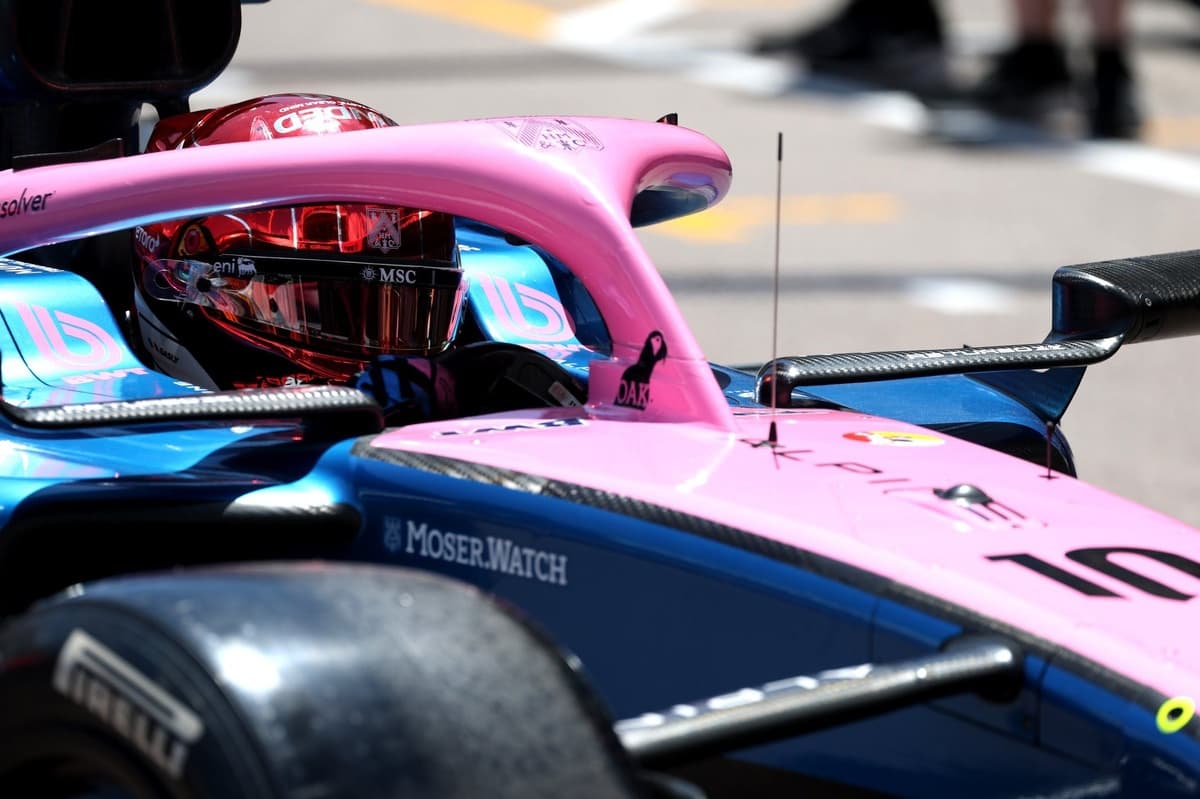
McLaren, Mercedes, and Red Bull have formally lodged appeals against the FIA stewards’ decision to reinstate Pierre Gasly’s Monaco Grand Prix podium, setting up a regulatory dispute with far-reaching consequences for how Formula 1 teams race and respond to on-track penalties.
McLaren, Mercedes, and Red Bull have filed formal appeals against the stewards’ ruling that restored Pierre Gasly’s Monaco Grand Prix podium, escalating a post-race dispute into what could become one of Formula 1’s most consequential regulatory battles in recent memory. The three teams had previously signalled their intention to challenge the decision, and their formal submission now opens a new chapter in the right of review process.
At the heart of the controversy is a measurement error made by Formula One Management (FOM), the body responsible for the official timing system used to monitor pitlane speeds. Alpine presented data recorded directly from Gasly’s car demonstrating that the Frenchman never exceeded the 60 km/h pitlane speed limit. On the basis of that evidence, the stewards cancelled the two penalties originally imposed on Gasly, restoring him to the podium — a decision that rivals who had already served their own penalties found deeply troubling.
The fundamental problem for those rivals is one of timing. Teams such as McLaren served their pitlane speed penalties during pitstops, as required under the regulations, without any indication from the FIA that the measurement system had produced erroneous readings. Having complied with what the official data showed, those teams were no longer in a position to file an appeal. Alpine, however, trusted its own onboard data rather than the FOM readings and chose not to serve the penalty during the race — a decision that, while ultimately vindicated, carried significant risk at the time.
Red Bull team principal Laurent Mekies articulated the frustration felt across the paddock in comments made to Sky Sports F1. “I think we are a bit confused, not so much because you lose the podium or you win the podium. We are a bit confused because we are talking about non-appealable penalties and you are racing around cars that are receiving non-appealable penalties and you adapt your racing also to that,” Mekies said.
The situation draws a direct parallel with car weight checks, where teams are required to accept FIA scale readings as definitive regardless of discrepancies with their own equipment. As Mekies explained: “Regardless of if you agree with the measurement or not, that’s what you’ve got to abide by, right? The FIA scale. No point arguing that, oh, your scale is, let’s say, one kilo lighter than our scale, so our car is legal in our scale. All that matters is our car has to be legal in the FIA scale. It’s the same with pitlane speed limiter. Regardless of how they measure it, they always give us the data. So then every team tunes your number or margin based on that.”
In a formal statement, McLaren reinforced this point, noting that all competitors had operated within the established framework throughout the Monaco weekend. “Throughout the Monaco Grand Prix weekend, and at every event, all teams operated in compliance with the regulations and standard practices established regarding the pitlane speed limit as applied at that time. Competitors adjusted their procedures accordingly and, where required, accepted and served the penalties imposed under those regulations,” the statement read.
Further complicating the matter is the fact that several teams had already flagged at the initial hearing that the measurement error was consistent across the entire race weekend — from Friday practice through to the race itself. Despite this, the FIA had not reported any anomaly in the pitlane speed system and had instead attributed Friday and Saturday infringements to drivers cutting the white line at pitlane entry too aggressively. Teams therefore continued calibrating their pitlane entry procedures around the official data, unaware that the underlying measurements were flawed.
The Mercedes case adds another layer of complexity. George Russell received an additional penalty for failing to serve his original pitlane speed penalty at the next pitstop — a consequence of the very regulations teams were expected to follow. The FIA subsequently granted Mercedes a formal hearing over Russell’s penalty, according to Autosport, further widening the scope of the dispute beyond Gasly’s podium alone.
The broader concern now is whether the outcome of these appeals could alter competitive behaviour during races going forward. If teams conclude that it is strategically advantageous to withhold compliance with non-appealable penalties pending their own data analysis, the integrity of in-race penalty enforcement could be significantly undermined. McLaren, for instance, could not reasonably have anticipated that Alpine would successfully overturn a class of penalty that had no historical precedent of being reversed — yet that is precisely what occurred.
With formal appeals now lodged by three of Formula 1’s most prominent teams and a separate FIA hearing granted to Mercedes, the Gasly Monaco penalty saga shows no signs of swift resolution. The outcome will likely shape how stewards handle measurement disputes, how teams respond to in-race penalties, and whether the current regulatory framework is equipped to deliver consistent and equitable outcomes.
Formula 1Formula 1 · Jun 29
 Formula 1
 · Jun 28
 Formula 1
 · Jun 28
 Formula 1
 · Jun 28