 Formula 1
Verstappen Laughed Out Loud in Simulator After Silverstone’s 2026 Energy Management Demands Became Clear
Formula 1 · Jun 29

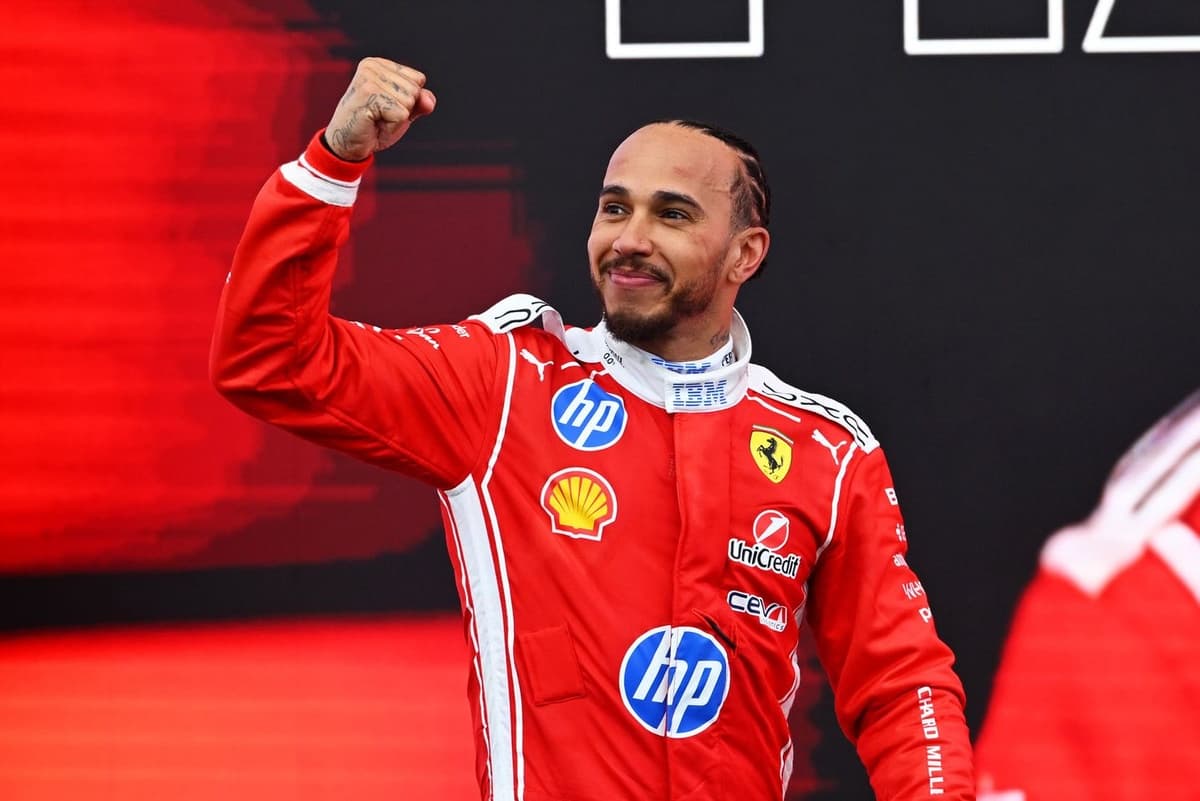
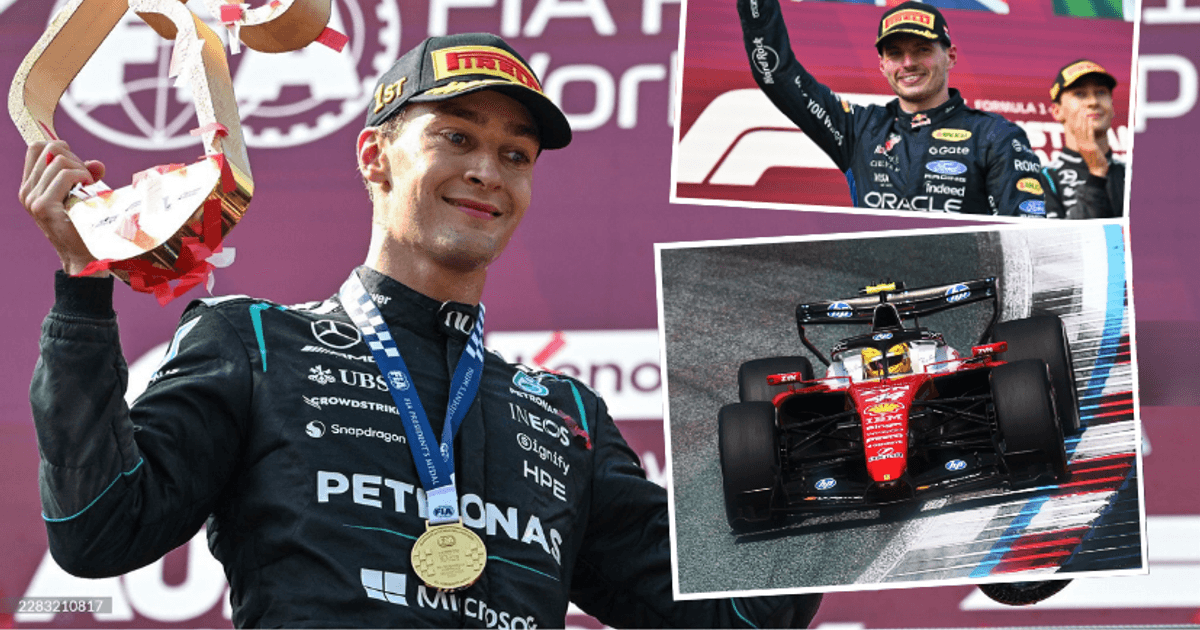
Lewis Hamilton finished second at the Canadian Grand Prix in Montreal, his strongest result since joining Ferrari, crediting a restructured engineering team and deeper involvement in the 2026 car development project for his improved form.
Lewis Hamilton’s second-place finish at the Circuit Gilles Villeneuve marked a significant milestone in what has been a carefully managed transition to Ferrari. The seven-time world champion crossed the line behind race winner Max Verstappen after a sustained battle that saw Hamilton make his move into Turn 1 on lap 62, having pressured the Red Bull driver across multiple laps before completing the overtake.
The result — Hamilton’s best with the Scuderia since making the switch from Mercedes — carries weight beyond a single points haul. It signals a shift in the working relationship between Hamilton and the Ferrari engineering structure, following a difficult debut season in 2025 that prompted a deliberate reset, both within Maranello and in Hamilton’s personal preparation.
“I finally have the engineering team I have been working towards,” Hamilton said, the remark accompanied by what was described as a deep sigh of relief. “This is my first second place with the team. It’s something I’ve been working [on] so hard, I can’t even begin to explain how deep I’ve had to dig to be able to get to this point, and the work and moving mountains in the background to enable this sort of performance. But I’m really grateful to the team for continuing to hold me up high and support me weekend in, weekend out. And it’s a really lovely feeling to see them so happy, because they truly deserve it with all the hard work they put in.”
Central to the improvement is a restructured engineering setup. Ferrari brought in former McLaren engineer Cedric Michel-Grosjean, who is being positioned as Hamilton’s long-term race engineer, working alongside Carlo Santi. However, due to off-track commitments, the radio voice will not always be consistent — according to Autosport, Santi is set to engineer Hamilton at the upcoming Monaco Grand Prix. Performance engineer Luca Diella has also been identified as a key figure in the trackside operation.
Hamilton was candid about the role his engineer played in Montreal’s result. “I chose a different set-up this weekend through just ciphering through the data, working really well with my engineer. He’s absolutely awesome and I’m really loving working with him. And my number two did a fantastic job this weekend and helped me really pull more performance out of the car, getting into a much sweeter place. And I was able to attack all the corners finally.”
Beyond the personnel changes, Hamilton’s involvement in Ferrari’s 2026 car development has been a contributing factor. Unlike in 2025 — the final year of the ground-effect regulations that Hamilton struggled to adapt to — the Briton has had meaningful input into the 2026 challenger from an early stage, reducing the time required to find his footing with the machinery.
Team principal Fred Vasseur also received specific acknowledgement from Hamilton for facilitating the changes. “There’s a lot of changes that I’ve had to ask for, and Fred [Vasseur]’s been super supportive and again also moving mountains in order to make me comfortable. And it’s finally starting to show in my performance.”
Hamilton also outqualified teammate Charles Leclerc in both the sprint and grand prix qualifying sessions in Montreal, with the Monegasque enduring a considerably more difficult weekend. The performance gap reinforced the view that Hamilton is increasingly operating on his own terms within the team structure — a development that will be closely monitored as the 2026 season progresses and Ferrari’s championship aspirations take shape. Hamilton and Ferrari are believed to be contractually committed to one another for at least three seasons, making the current trajectory relevant not only to this campaign but to the team’s medium-term planning.
Formula 1Formula 1 · Jun 29
 Formula 1
 · Jun 28
 Formula 1
 · Jun 28
 Formula 1
 · Jun 28