 Formula 1
Verstappen Laughed Out Loud in Simulator After Silverstone’s 2026 Energy Management Demands Became Clear
Formula 1 · Jun 29

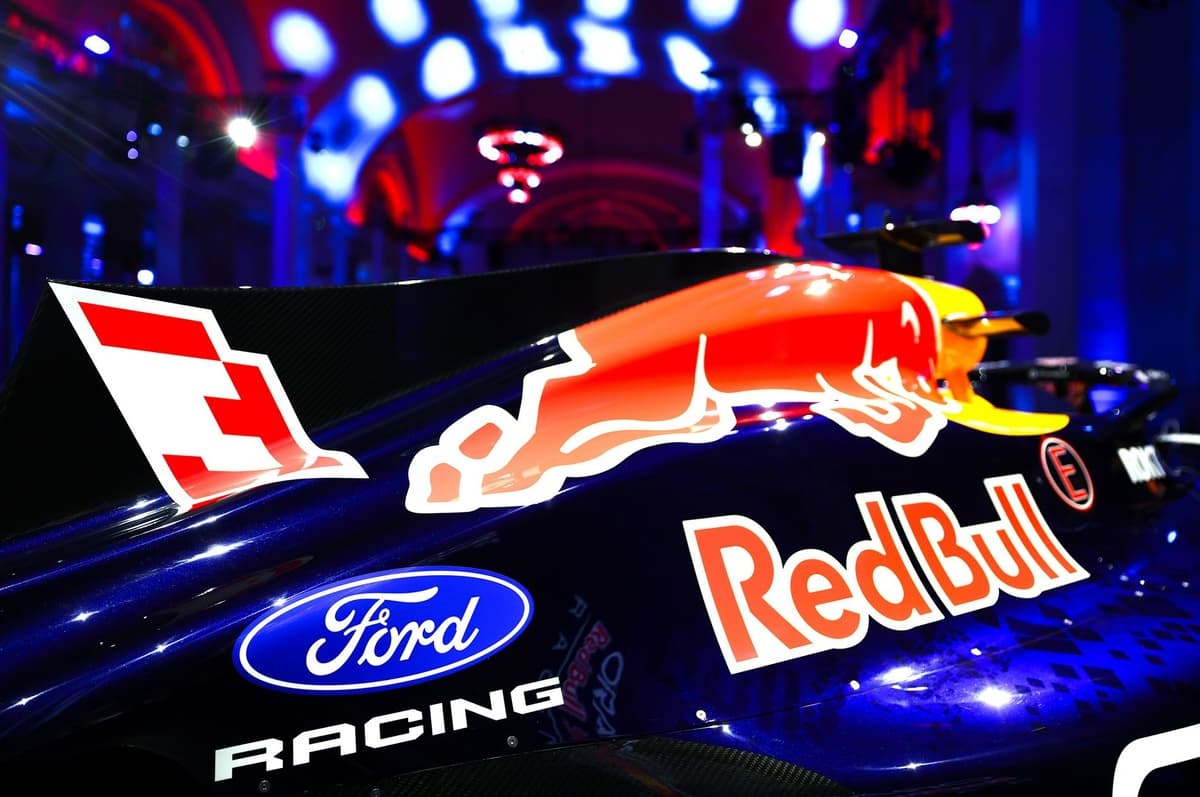
Ford Performance director Mark Rushbrook has expressed strong support for a potential return to V8 engines in Formula 1, citing the American manufacturer’s evolving road car strategy as a key factor in its openness to future powertrain changes.
Ford has positioned itself as one of the more flexible manufacturers in discussions surrounding Formula 1’s future engine regulations, with Ford Performance director Mark Rushbrook confirming the company would welcome a return to V8 power units running on sustainable fuels.
Speaking in an exclusive interview with Autosport, Rushbrook outlined how Ford’s broadened road car portfolio — spanning full combustion engines, multiple hybrid architectures, and fully electric vehicles — gives the company considerable room to manoeuvre at the negotiating table for F1’s next engine cycle.
“We love the V8 idea because we have a lot of V8s that we sell. We love an electrification element to it as well, because we have a lot of hybrid vehicles,” Rushbrook said. “And whether it’s 50-50, 60-40 or 90-10, we’re still going to be learning about that integration of combustion and electric. We’re very open to that, also to help with the racing on the track.”
Those comments come against a backdrop of growing momentum within Formula 1 for a significant regulatory overhaul beyond the current 2026 cycle, which is only in its first season. F1 CEO Stefano Domenicali indicated during the April break that the FIA and Formula 1 had granted original equipment manufacturers too much influence over the current ruleset, and suggested future regulations could feature a V8 engine running on sustainable fuels alongside a reduced electrical component.
FIA president Mohammed Ben Sulayem subsequently went further in Miami, stating that a V8 return is “only a matter of time,” with the governing body targeting 2031 as the earliest implementation date while also exploring whether that timeline could be brought forward to 2030.
The 2026 regulations already include an agreed adjustment for next year, with the power balance set to shift to a 60-40 split in favour of the internal combustion engine over the electrical component — a sign that incremental recalibration is already underway.
Mercedes team principal Toto Wolff has also signalled openness to the V8 concept, provided any transition is handled in a “structured” manner and retains an electrical element. Ford’s position aligns broadly with that view, though Rushbrook’s remarks suggest the American manufacturer is particularly well-placed given its domestic market reliance on V8-powered vehicles.
Rushbrook noted that Ford had previously planned to phase out combustion-only road cars but later reversed that decision, a strategic shift that now gives the company what he described as a “full library” of powertrain options across different global markets.
“We need to be prepared to offer those in different markets around the world, so we have a full library of that,” he said. “That gives us a lot of different options as we go racing in different series, including Formula 1. We can still make the racing relevant to what we design, develop, sell to our customers.”
Beyond the regulatory debate, Rushbrook indicated that Ford’s existing F1 partnership — conducted through its technical collaboration with Red Bull Powertrains since the start of the 2023 season — has already surpassed internal expectations on both commercial and technological fronts.
“We’ve enjoyed more of that than we ever envisioned when we started three and a half years ago, and we still benefit from that greatly,” he said, adding that the company continues to extract “great value” from the current regulations despite broader criticism of the 2026 technical framework.
Ford’s formal return to Formula 1 as a power unit partner marked its first top-tier involvement in the sport since its departure following the 2004 season, when it withdrew the Cosworth engine programme. The manufacturer had previously competed as a constructor and engine supplier across several decades, including championship-winning partnerships with various teams throughout the Cosworth-Ford era. A full works power unit programme is expected when the next engine regulations come into force.
Formula 1Formula 1 · Jun 29
 Formula 1
 · Jun 28
 Formula 1
 · Jun 28
 Formula 1
 · Jun 28