 Formula 1
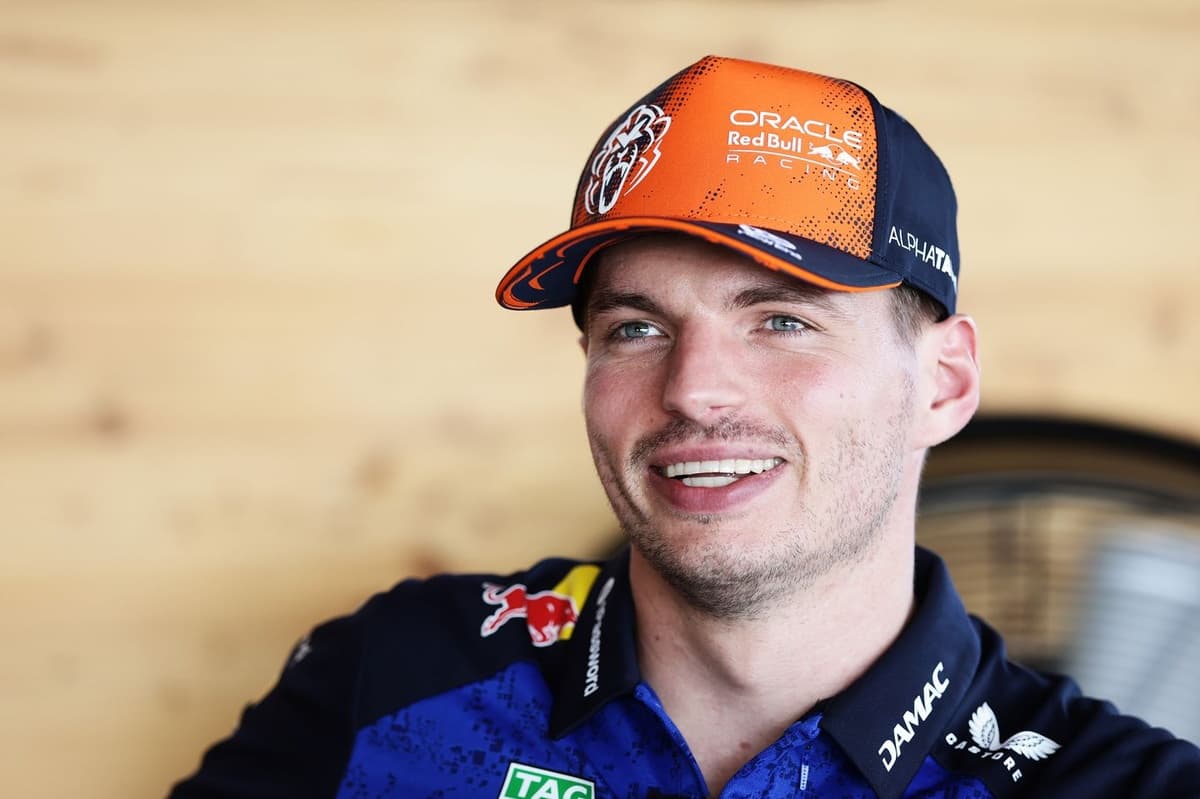
Verstappen Laughed Out Loud in Simulator After Silverstone’s 2026 Energy Management Demands Became Clear
Formula 1 · Jun 29

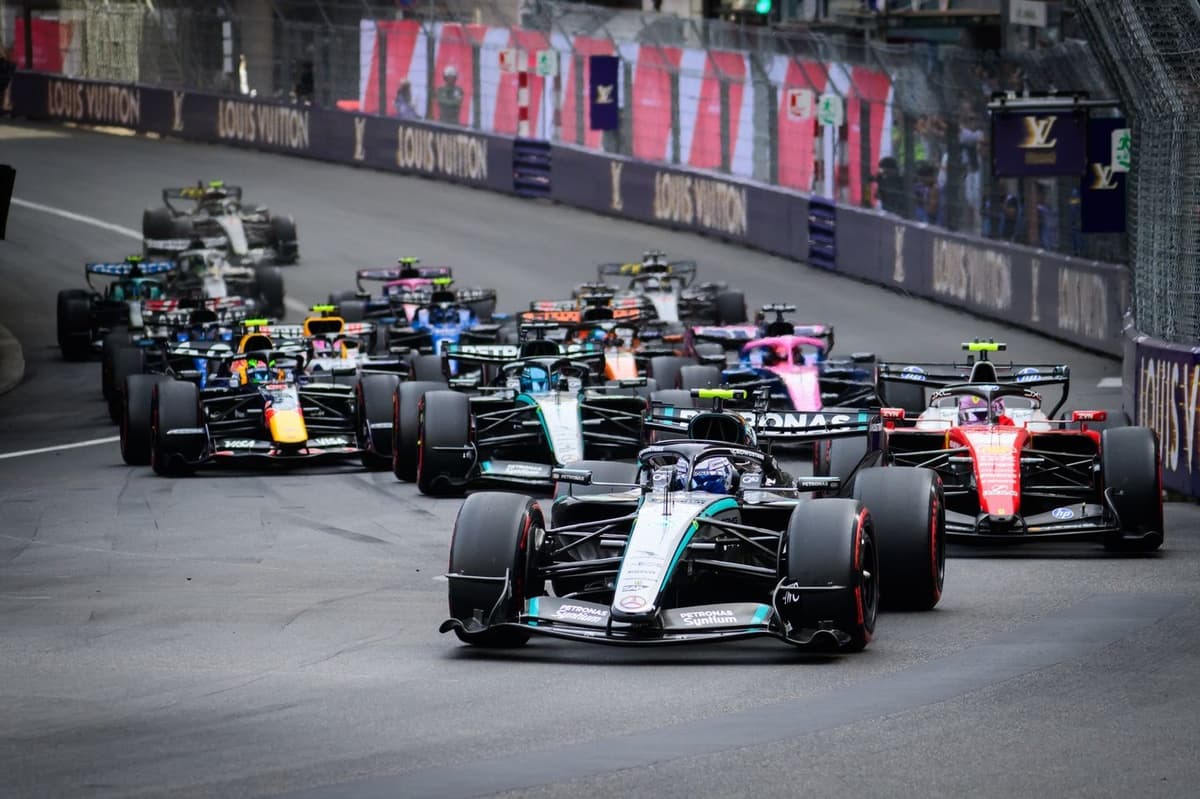
Formula 1’s governing and commercial bodies, teams, and power unit manufacturers have reached a consensus on a two-stage increase in internal combustion engine power, with changes taking effect across the 2027 and 2028 seasons.
Formula 1’s key stakeholders have reached an agreement on a staged upward revision of internal combustion engine (ICE) output, designed to ease the energy management demands that have characterised the sport’s new-era power unit regulations introduced in 2026.
The FIA formally announced the agreement on Wednesday, confirming a two-phase approach that begins with a moderate adjustment in 2027 before moving to a more substantial reconfiguration in 2028. The proposed amendments are set to be submitted to the FIA’s World Motor Sport Council for ratification at a meeting scheduled for June 23 in Macau.
Under the 2027 changes, fuel flow will increase by five percent, lifting ICE power output from 400kW to 420kW — a modification that does not require significant hardware alterations from manufacturers. Simultaneously, the maximum power available from the electric motor will be reduced from 350kW to 300kW. Overtake Mode will remain unchanged at 350kW, preserving the boost capability available to drivers, while the maximum harvesting limit rises from 250kW to 375kW. The net effect is a shift in the power split from the current 53/47 ratio in favour of electrical power to a 58/42 split in favour of the ICE from next season.
The more significant revision — a 13 percent fuel flow increase that would push ICE output to 450kW and establish a 60/40 power split — has been deferred to 2028. That delay is intended to provide power unit manufacturers with additional time to prepare for the engineering demands involved. From 2028, the maximum harvesting limit will be raised again to 400kW, while maximum deployment and Overtake Mode figures remain at their current levels.
Financial regulations governing power unit development have also been adjusted to provide manufacturers with sufficient cost cap headroom to accommodate the technical changes.
The FIA stated: “The 2026 Formula 1 regulations were developed and agreed in close partnership between the FIA, FOM, teams, OEMs and Power Unit Manufacturers. These latest amendments reflect the continuation of this collaboration with all stakeholders working collectively to refine the framework and address identified operational challenges.”
The regulatory tweaks are a direct response to issues that have emerged since the 2026 power unit rules came into force. While the regulations have produced more eventful racing, they have also raised safety concerns relating to elevated closing speeds between cars. More prominent among driver complaints, however, is the significant cognitive and physical workload imposed by energy management demands at certain circuits — a factor that has undermined the ability of drivers to push at full intensity throughout qualifying sessions.
The path to the final agreement was not straightforward. According to reports, manufacturers including Mercedes and Red Bull Ford Powertrains had advocated for larger-scale changes to be implemented as early as 2027. Others, notably Audi and Ferrari, expressed reservations about the resource requirements and compressed development timelines that more sweeping revisions would entail. The outcome reflects a compromise position, with the 2026 regulatory framework to be incrementally refined rather than substantially overhauled in a single step.
The agreement comes during a period of heightened scrutiny of the 2026 regulations, with the Monaco Grand Prix weekend — where Andrea Kimi Antonelli claimed victory for Mercedes — serving as a backdrop to the latest round of stakeholder discussions. The phased approach now provides manufacturers with greater certainty over development planning as the sport continues to calibrate its most technically complex power unit era to date.
Formula 1Formula 1 · Jun 29
 Formula 1
 · Jun 28
 Formula 1
 · Jun 28
 Formula 1
 · Jun 28