 Formula 1
Verstappen Laughed Out Loud in Simulator After Silverstone’s 2026 Energy Management Demands Became Clear
Formula 1 · Jun 29

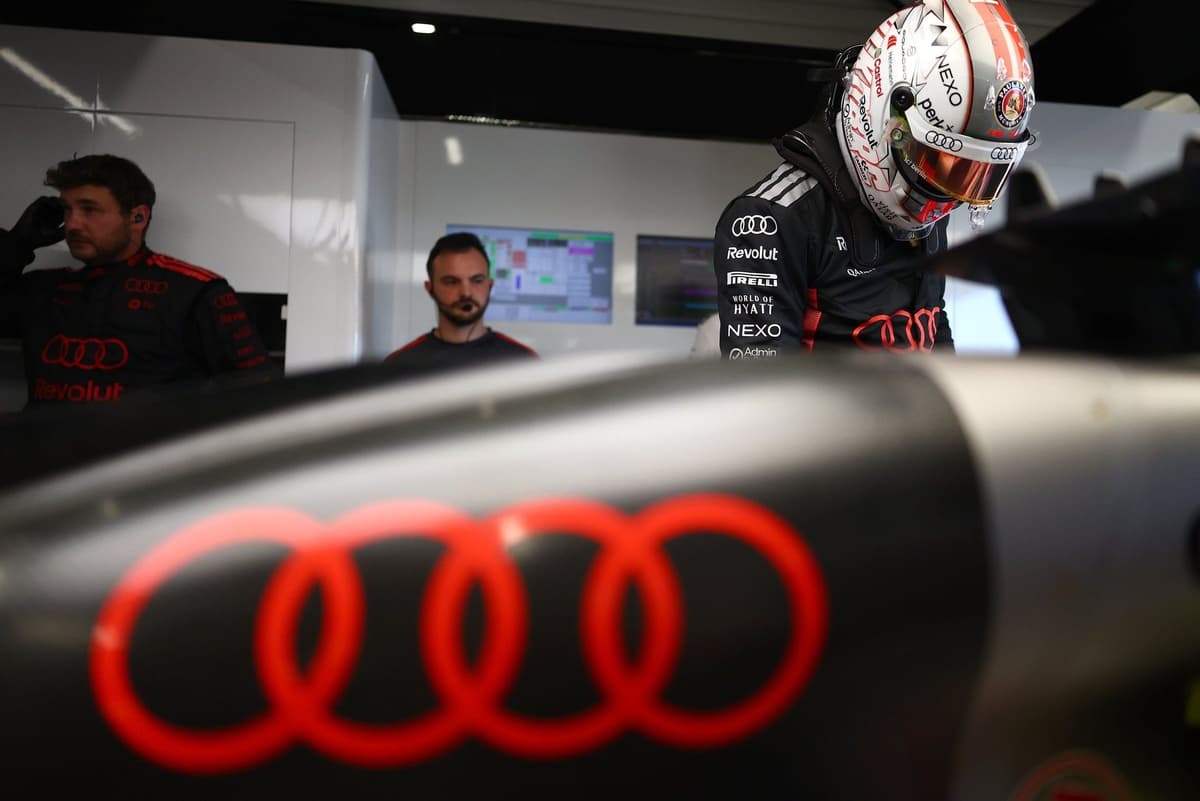
Audi quietly introduced a new internal combustion engine and turbocharger at the Spanish Grand Prix, making it the first manufacturer to act on ADUO concessions — a move that went largely unnoticed at the time.
Audi’s Formula 1 programme moved faster than the paddock expected when the German manufacturer fielded an upgraded power unit at the Barcelona Grand Prix, according to Autosport, making it the first eligible team to act on permissions granted through the FIA’s Additional Development and Upgrade Opportunities mechanism.
The ADUO system is designed to allow engine suppliers who are determined to be lacking in power relative to the field to introduce additional updates outside the standard development framework. The first ADUO review period concluded after the Canadian Grand Prix, with the FIA subsequently communicating its findings to manufacturers in Monaco following an assessment of each power unit’s performance level.
The process was not without complication. Red Bull Powertrains, which the FIA identified as the benchmark for internal combustion engine performance, raised objections to the verdict. The governing body responded by initiating a review of the process, though crucially, the original results remained valid pending any further official communication from the FIA.
It was against that backdrop that Audi moved swiftly. FIA documentation released on the Friday of the Catalan Grand Prix confirmed that both Audi-powered cars were being fitted with new internal combustion engines and turbochargers — a detail that attracted little attention at the time but has since drawn considerable interest from rival manufacturers and observers within the paddock.
Sources indicate the revised power units incorporated a series of refinements, though none were described as substantial. The primary focus of the upgrades was improved driveability rather than outright performance gains, suggesting Audi is adopting a phased approach to its engine development programme.
What the move reveals, perhaps more significantly, is the extent to which Audi had been advancing its development work behind the scenes. The upgraded units were effectively ready and waiting for regulatory clearance before being transported directly to Barcelona, pointing to a development timeline that had been running in parallel at the manufacturer’s facilities in Ingolstadt and Hinwil.
This is understood to represent only the opening phase of a wider development arc, with Audi continuing to refine its package as the 2026 season progresses. The team has previously indicated it does not intend to pursue major engine architecture changes ahead of the 2027 regulations, preferring incremental improvement within the current framework.
Audi’s presence on the Formula 1 grid marks the brand’s first direct factory involvement in the sport as a power unit supplier. The team, which took over the former Sauber entry, has been building toward full competitiveness over a multi-year project that began well before its official debut season. The speed with which it was able to deploy ADUO-eligible upgrades suggests the engineering infrastructure underpinning that project is further along than many in the paddock had assumed.
With the ADUO review process still subject to ongoing scrutiny following Red Bull Powertrains’ challenge, the regulatory landscape around engine development opportunities remains unsettled. How the FIA ultimately resolves that dispute could have implications for other manufacturers also eligible for concessions heading into the second half of the season.
Formula 1Formula 1 · Jun 29
 Formula 1
 · Jun 28
 Formula 1
 · Jun 28
 Formula 1
 · Jun 28