 Football
Frank Onyeka Signs Permanent Coventry City Deal After Helping Club Win Championship Title and Promotion
Football · Jun 30

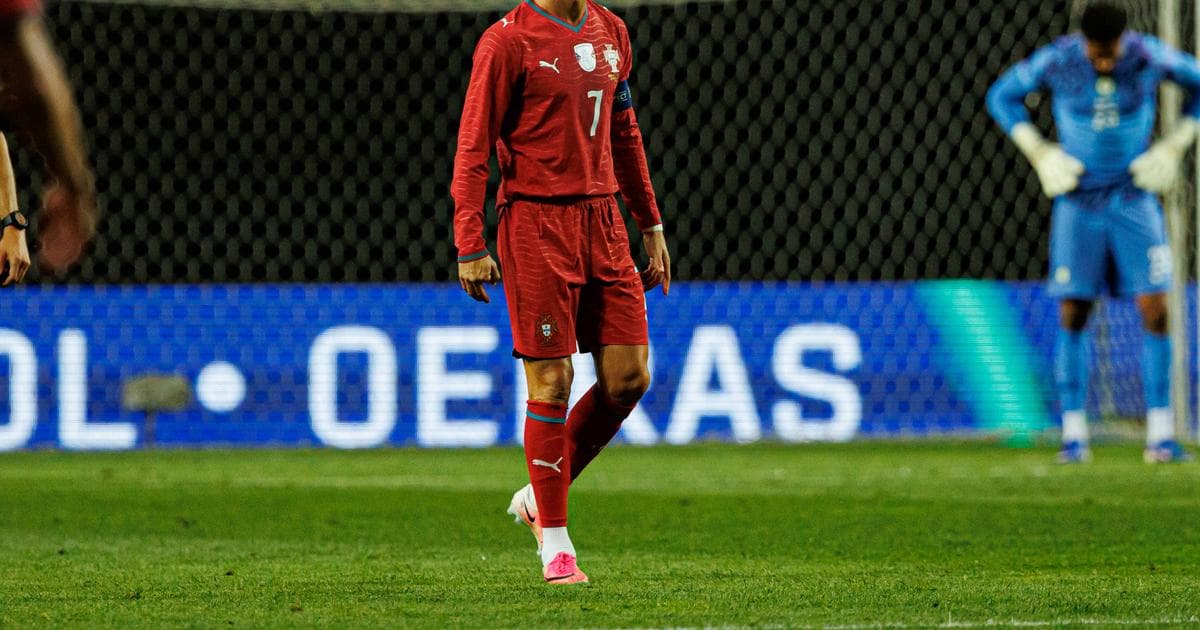
Nigeria’s 12-game unbeaten run was ended by Portugal in a pre-World Cup friendly on June 10, 2026, but Eric Chelle’s side produced enough encouraging signs — from Maduka Okoye’s shot-stopping to Akor Adams’ goal — to fuel growing optimism ahead of AFCON 2027.
Nigeria’s Super Eagles suffered a 2-1 defeat to Portugal in an international friendly on June 10, 2026, bringing their impressive 12-game unbeaten run to a close. Despite the result, Eric Chelle’s side pushed one of Europe’s strongest squads throughout the 90 minutes, providing a series of significant talking points ahead of next year’s 2026 FIFA World Cup.
The most scrutinised figure on the night was Cristiano Ronaldo. At 41 years old, the Portuguese captain and Al Nassr forward cut a diminished figure compared to the player who once dominated world football. The five-time Ballon d’Or winner struggled to connect with headers that would once have been routine finishes, appeared uncomfortable in possession at times, and was repeatedly caught a step behind the tempo of the game. While Ronaldo’s place among football’s all-time greats is not in question, his performance raised legitimate concerns about Portugal’s dependence on him as their primary attacking threat heading into a World Cup on home soil.
For Nigeria, goalkeeper Maduka Okoye emerged as one of the standout performers across the June international window. The Udinese shot-stopper produced a string of important saves against Portugal, keeping the Super Eagles competitive until the final whistle. His workload increased noticeably after João Félix entered the match and added extra pressure on Nigeria’s defensive unit. Although Okoye conceded twice, neither goal could be attributed directly to an error on his part. Combined with a strong showing against Poland in the same window, the 25-year-old has firmly established his claim as Chelle’s first-choice goalkeeper.
Absences that might have derailed other nations appeared to have little effect on Nigeria’s attacking output. Victor Osimhen and Ademola Lookman — two of the country’s most dangerous forwards — were both unavailable for the June friendlies. Yet across four matches without either player, the Super Eagles scored eight goals against varied opposition, including quality European sides. Terem Moffi, Femi Azeez, Moses Simon, and Akor Adams all contributed when called upon. Adams’ goal against Portugal was the latest example of Nigeria’s attacking depth, underlining that the squad is no longer solely reliant on its biggest names to produce in front of goal.
Beyond the defeat itself, the broader picture from Nigeria’s June camp was one of encouraging progress. The Super Eagles came close to defeating Poland before a late equaliser denied them all three points, and against Portugal they were rarely overwhelmed despite facing a side stacked with top-level talent. Nigeria’s ability to compete physically, technically, and tactically with elite European opposition reinforced a point that has been building throughout Chelle’s tenure — the Super Eagles are considerably closer to the world’s best than their absence from the 2026 World Cup might suggest.
Nigeria’s failure to qualify for the 2026 World Cup in the United States, Canada, and Mexico remains a significant setback for the country’s football programme. However, the performances recorded in these friendlies indicate that the team is moving in a positive direction under Chelle. The French-Malian coach has instilled a sense of organisation and tactical flexibility that allows fringe players to step in without a noticeable drop in the team’s overall standard. With AFCON 2027 now the primary target on the horizon, these results offer a foundation on which Chelle can continue to build.
FootballFootball · Jun 30
 Football
 · Jun 30
 Football
 · Jun 30
 Football
 · Jun 30