 Football
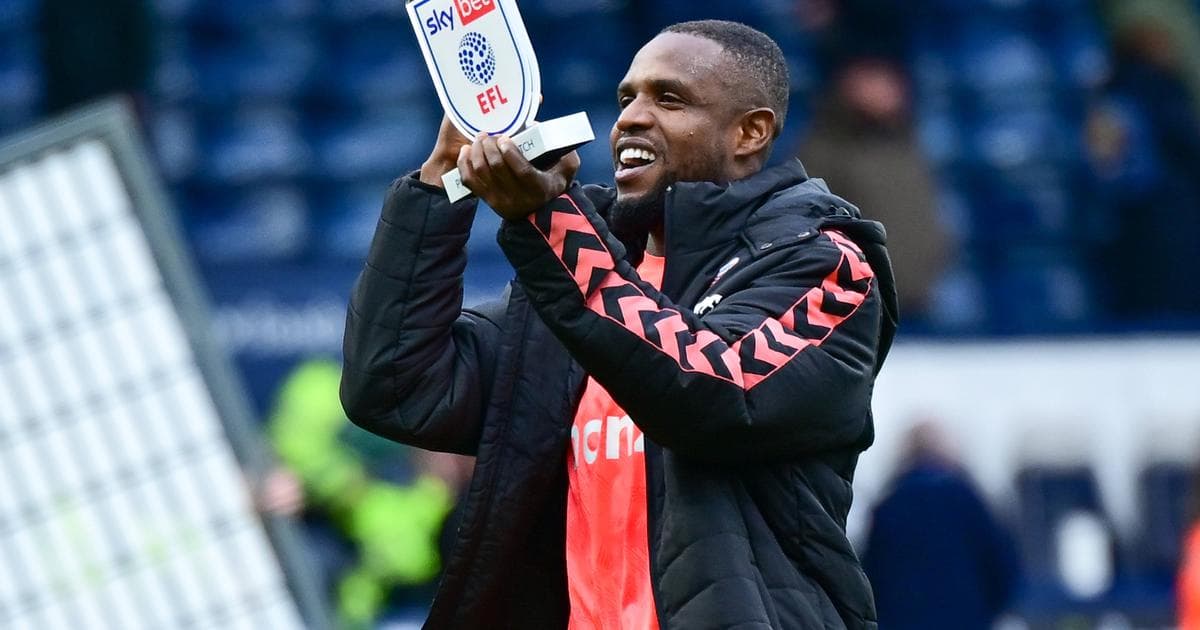
Frank Onyeka Signs Permanent Coventry City Deal After Helping Club Win Championship Title and Promotion
Football · Jun 30

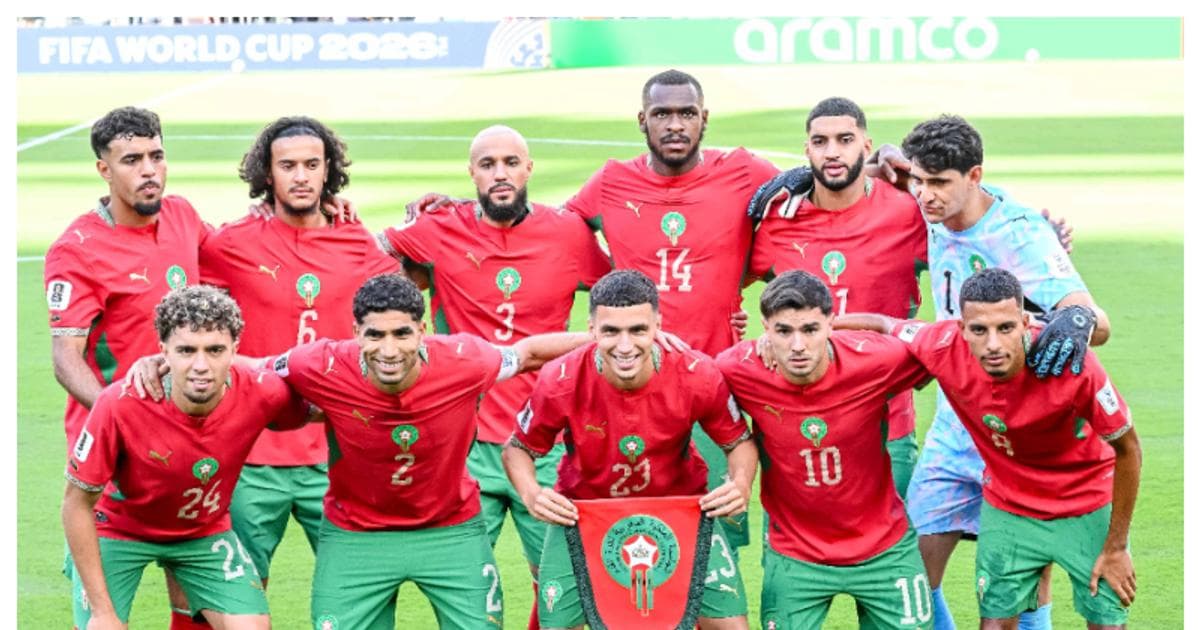
Former Nigeria captain Sunday Oliseh has urged Morocco to abandon their 2022 counter-attacking blueprint, cautioning that opponents have since decoded the approach. The Atlas Lions opened their 2026 World Cup campaign with a 1-1 draw against Brazil.
Morocco’s 2026 FIFA World Cup campaign began with a creditable 1-1 stalemate against five-time champions Brazil at MetLife Stadium, but former Super Eagles captain Sunday Oliseh believes the Atlas Lions will need to significantly overhaul their tactical approach if they are to replicate — or surpass — their landmark semi-final run at Qatar 2022.
Speaking on the BBC Global News Podcast, Oliseh acknowledged the magnitude of what Morocco achieved four years ago, when they became the first African nation in history to reach a World Cup semi-final. However, he was clear-eyed about the limitations of repeating the same formula. “The question I’m asking myself now is that if the Moroccans play the same way they did four years ago, they won’t get that far,” he said. “They played a tactically very cagey style and came out countering to win games. But if you do that now, you’re going to struggle.”
Despite the warning, Oliseh recognised the psychological significance of Morocco’s 2022 achievement for the African game. “Well, it’s possible they can build on it. The eggshell has been broken now. Everybody knows that when you’re good, you can get that far,” he stated during the broadcast.
Against Brazil in their Group C opener, Morocco showed they remain capable of competing with the world’s elite. Ismael Saibari gave the Atlas Lions a deserved lead in the 21st minute, chipping goalkeeper Alisson Becker with a composed finish after a precise through ball from Brahim Diaz. Brazil levelled just after the half-hour mark through a moment of individual brilliance from Vinicius Junior, and the match ended all square.
The result came against the backdrop of notable institutional change within Moroccan football. Walid Regragui, the coach who masterminded the historic Qatar campaign, has departed the role, with Mohamed Ouahbi appointed as his successor in March 2026. Oliseh flagged this transition as a potential variable. “I find Senegal extremely strong. I find the Moroccans also solid, but how they now cope with the change of manager, I don’t know how it’s going to affect them,” he added.
Ouahbi’s appointment marked a significant shift in Morocco’s coaching structure. Regragui had been instrumental in instilling the defensive discipline and clinical counter-attacking efficiency that defined the team’s run through Qatar, eliminating Belgium, Spain, and Portugal before falling to France in the semi-finals. Replicating that organisational cohesion under new leadership, while also evolving tactically, represents a dual challenge heading into the knockout stages.
Morocco’s remaining Group C fixtures will provide a clearer picture of where Ouahbi’s side stand. They face Scotland on Friday before concluding the group stage against Haiti on June 24. A positive return from those two matches would likely be sufficient to secure progression, at which point the sterner tests Oliseh alludes to would begin.
Senegal, whom Oliseh singled out as particularly formidable, are among the other African sides drawing attention at the tournament. Africa secured a notable collective result in the opening round of fixtures, with multiple nations avoiding defeat against higher-ranked opposition — a reflection of the continent’s growing competitiveness on the global stage that Morocco’s 2022 run helped accelerate.
FootballFootball · Jun 30
 Football
 · Jun 30
 Football
 · Jun 30
 Football
 · Jun 30