 Football
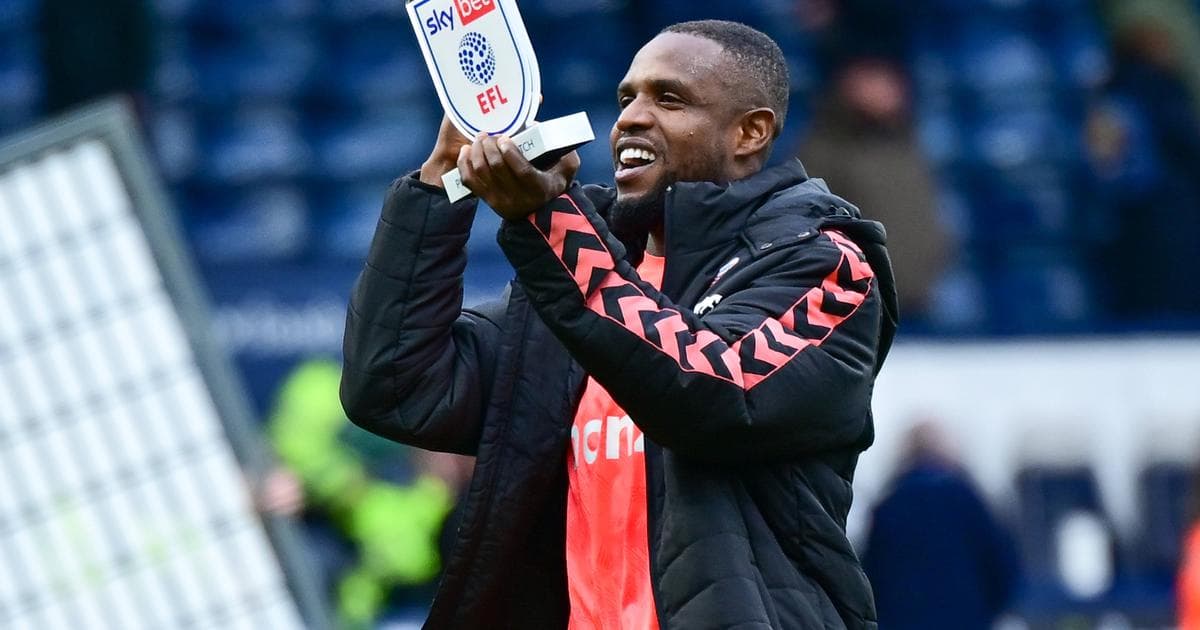
Frank Onyeka Signs Permanent Coventry City Deal After Helping Club Win Championship Title and Promotion
Football · Jun 30


Former Barcelona B midfielder Andrea Orlandi has lifted the lid on the playful but affectionate dressing room relationship between a young Lionel Messi and Ronaldinho during their time together at Camp Nou between 2005 and 2007.
The bond between Lionel Messi and Ronaldinho at Barcelona has long been celebrated as one of football’s most consequential mentorships, but a former teammate has now offered a candid and rarely discussed glimpse into how that relationship actually functioned behind closed doors.
Andrea Orlandi, who made 67 appearances for Barcelona B and one senior outing during his spell at the club from 2005 to 2007, spoke about the dressing room dynamic between the two icons on the HProject podcast. According to Orlandi, Ronaldinho would routinely ask a teenage Messi to make him coffee — using the task as a light-hearted means of keeping the Argentine prodigy grounded.
“Ronaldinho asked Messi to make him coffee,” Orlandi recalled. “He would say, ‘Well, how many World Cups have you played, rookie?’ just as a joke. And he would prepare the coffee for him! But it was a way of having him close, of giving him affection. It was like keeping him calm, as if to say, ‘You’re not Ronaldinho yet.'” Orlandi was clear that the dynamic was rooted in genuine warmth rather than hierarchy. “There was a connection there that, in the end, when two players understand each other and see that they are at a similar level, let’s say that the master tries to guide the young man and there was some affection,” he added.
The relationship extended well beyond the dressing room. On 1 May 2005, Ronaldinho provided the delicate chipped assist for Messi’s first senior goal for Barcelona, coming against Albacete — a moment widely regarded as the symbolic beginning of the Messi era at Camp Nou. Ronaldinho was at the peak of his powers during that period, having led Barcelona to back-to-back La Liga titles and the 2006 UEFA Champions League, and he has since stated on multiple occasions that he always believed Messi would become the best player in the world.
Messi, for his part, has consistently credited Ronaldinho with easing his transition into the senior squad and helping him settle into one of the most demanding dressing rooms in club football. The Brazilian’s influence on Messi’s development during those formative years has been acknowledged by the Argentine throughout his career.
Perhaps the clearest expression of the respect between the two came ahead of the 2008/09 season. As Ronaldinho prepared to leave Barcelona for AC Milan, he asked Messi to take his iconic number 10 shirt — a gesture widely interpreted as a formal passing of the torch. The decision proved prophetic. Messi went on to win eight Ballon d’Or awards and guided Barcelona to three further Champions League titles, cementing his status as the greatest player in the club’s history.
Orlandi’s account adds a human dimension to a story that is often told in statistical or trophy-based terms. The coffee anecdote, seemingly trivial on the surface, illustrates how experienced players at elite clubs have historically used informal rituals to integrate younger talents while maintaining dressing room order. Messi arrived at Barcelona’s first team as a 17-year-old in a squad that included established world-class players, and Ronaldinho’s method of keeping him grounded appears to have been as effective as it was unconventional.
Messi, now 37 and playing for Inter Miami in Major League Soccer, remains active at international level. He lifted his second consecutive Copa América title with Argentina in 2024, adding to the 2022 FIFA World Cup he won in Qatar — the honour that had eluded him for so long during his peak years at Barcelona.
FootballFootball · Jun 30
 Football
 · Jun 30
 Football
 · Jun 30
 Football
 · Jun 30