 Football
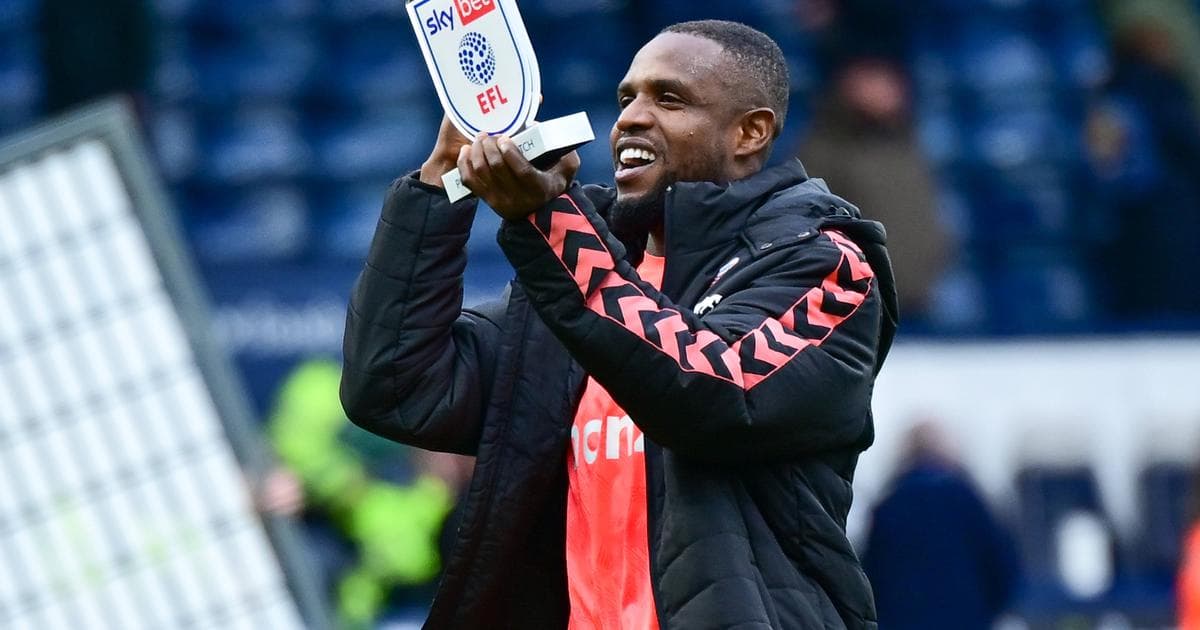
Frank Onyeka Signs Permanent Coventry City Deal After Helping Club Win Championship Title and Promotion
Football · Jun 30

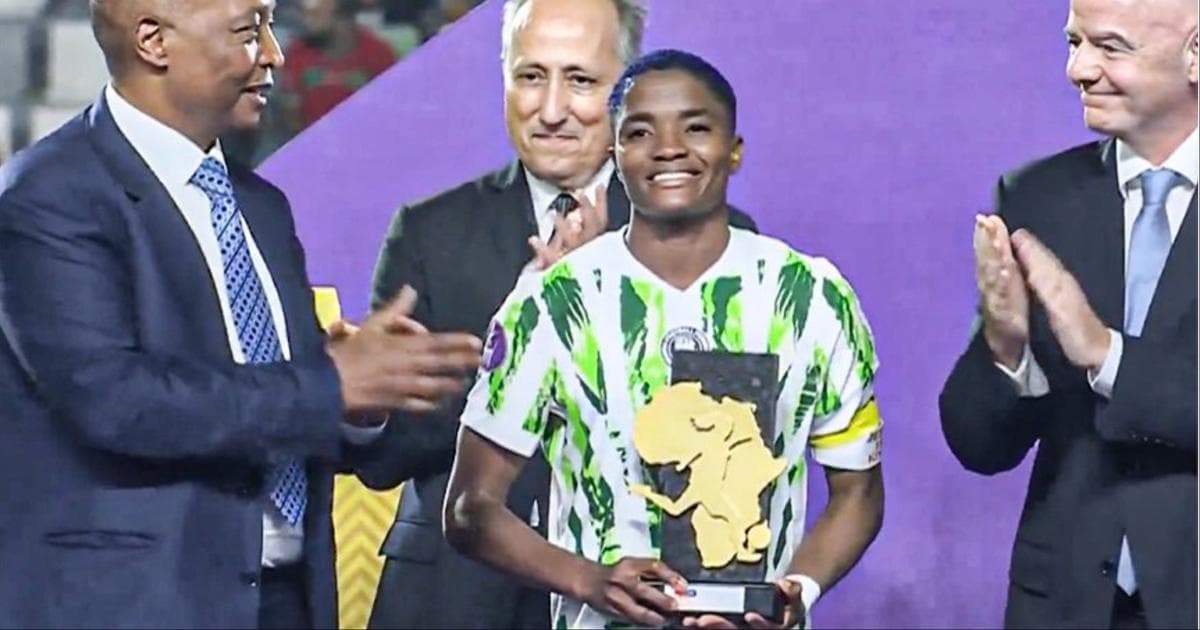
Nigeria’s Super Falcons captain publicly backed Morocco during their Group C opener against Scotland at the 2026 FIFA World Cup, despite the two nations’ intensifying rivalry in African women’s football.
Nigeria Super Falcons captain Rasheedat Ajibade put continental solidarity on display at the 2026 FIFA World Cup on June 19, cheering Morocco’s men’s national team — the Atlas Lions — through their Group C fixture against Scotland.
Posting on social media from inside the stadium, Ajibade shared photographs of herself waving a Moroccan flag among the home supporters. “I am officially a Moroccan for 24hrs,” she wrote, adding that she was “rooting for my African bro.” The post, which carried a Moroccan flag emoji, framed her support explicitly as a Pan-African gesture rather than a footballing allegiance.
Morocco delivered a result that justified Ajibade’s backing. The Atlas Lions edged Scotland 1-0, with Ismael Saibari scoring the decisive goal. The victory strengthened Morocco’s position in Group C and kept their hopes of advancing beyond the group stage firmly intact at the tournament being co-hosted by the United States, Canada, and Mexico.
The display of cross-border support is notable given the competitive history between Nigeria and Morocco on the women’s side of the game. The Super Falcons and the Atlas Lionesses have developed into two of Africa’s dominant forces in women’s football, with their fixtures producing some of the continent’s most high-profile encounters in recent years.
Their most significant recent meeting came in the 2025 Women’s Africa Cup of Nations final, held in Rabat. Nigeria trailed Morocco by two goals before staging a dramatic comeback to win 3-2, claiming a record-extending continental title. The result underlined the Super Falcons’ pedigree while also confirming Morocco’s emergence as genuine continental contenders.
Ajibade is one of African women’s football’s most prominent figures. The Atlético de Madrid forward was part of the Nigeria side that claimed that 2025 WAFCON title and has been a consistent performer at club and international level. Her willingness to publicly support a rival nation’s men’s team at a World Cup reflects the broader sense of African unity that has become a recurring theme at the 2026 tournament, where several African nations — including Morocco, Senegal, and Egypt — are competing.
Morocco’s men’s team carry significant continental expectations into this edition of the World Cup. The Atlas Lions reached the semi-finals of the 2022 FIFA World Cup in Qatar, becoming the first African nation to progress that far in the tournament’s history. That run generated widespread support across the continent, and their 2026 campaign has similarly attracted broad African interest.
Ajibade’s post added a high-profile voice to that support base, drawing attention to the shared investment many Africans have in Morocco’s progress — regardless of their own national footballing rivalries.
FootballFootball · Jun 30
 Football
 · Jun 30
 Football
 · Jun 30
 Football
 · Jun 30