 Football
Frank Onyeka Signs Permanent Coventry City Deal After Helping Club Win Championship Title and Promotion
Football · Jun 30


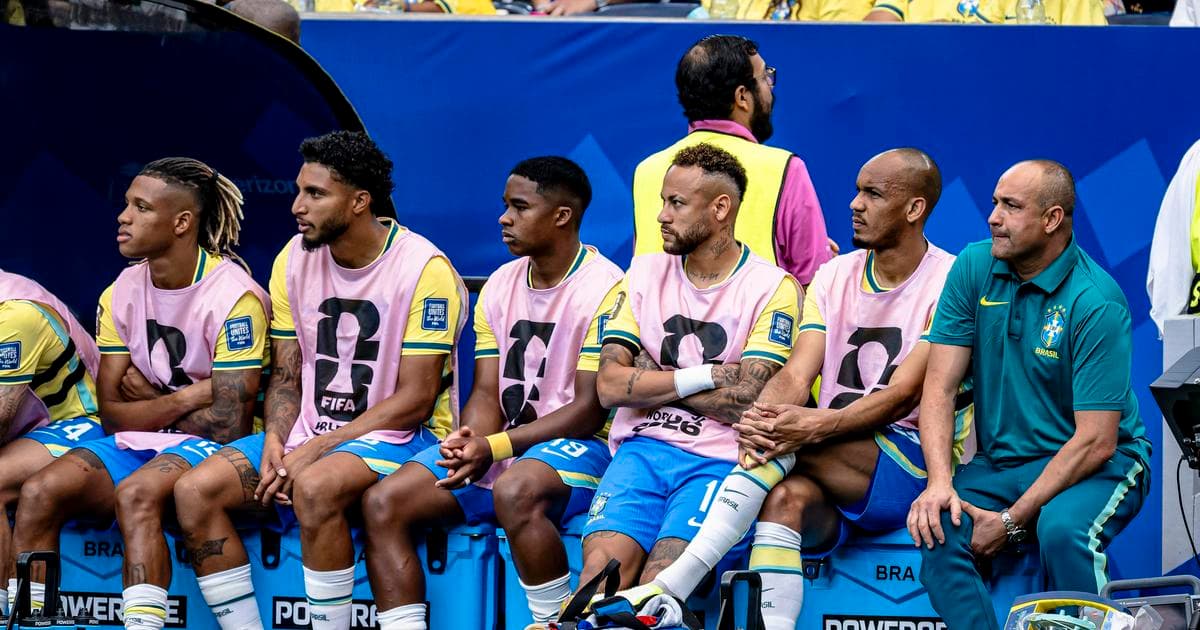
A social media post comparing Neymar’s inclusion in Brazil’s 2026 World Cup squad to a hypothetical Ahmed Musa Super Eagles recall has divided Nigerian football fans, reigniting discussion around perceived inconsistency in how supporters judge veteran players.
A single post on X has been enough to set Nigerian football Twitter ablaze. Nigerian influencer @_AsiwajuLerry, widely known as a close associate of Super Eagles and Galatasaray striker Victor Osimhen, posted on May 18, 2026, drawing a pointed parallel between fan reactions to Neymar‘s return to the Brazilian national team and how those same fans would respond if a veteran Super Eagles figure like Ahmed Musa received a comparable call-up.
The post read: “The same Nigerians defending Neymar’s World Cup call will drag NFF to filth if Nigeria was going to World Cup and they include Ahmed Musa in the squad.” The message arrived within hours of Brazil head coach Carlo Ancelotti confirming Neymar’s inclusion in his squad for the 2026 FIFA World Cup, which is set to be held this summer.
The comparison triggered swift and largely critical responses from Nigerian football fans. Many rejected the premise outright, pointing to the vast statistical and trophy-related gulf between the two players. Neymar is Brazil’s all-time leading international scorer with 79 goals and 59 assists across 128 appearances, surpassing the record previously held by Pelé. He won the 2013 FIFA Confederations Cup Golden Ball, claimed Olympic gold with Brazil at the 2016 Rio Games, and across his international career has registered 138 direct goal contributions — a figure that places him as the most prolific playmaker in Seleção history.
Ahmed Musa, by contrast, retired from international football in December 2025 after 111 appearances and 16 goals for the Super Eagles over a 15-year career. The 33-year-old, who captained Nigeria and represented the country at multiple Africa Cup of Nations tournaments and two FIFA World Cups, is regarded as one of the Super Eagles’ most loyal servants. His retirement marked the end of an era for Nigerian football, though his contributions were frequently debated domestically in the latter stages of his career.
Some users sided with Lerry’s broader point about inconsistent standards among Nigerian fans. X user @OgaNlaMedia wrote: “Nigerian football hypocrisy: Oh. Neymar’s invitation was a top decision by the coach. Oh. Ahmed Musa. He is blocking the young players. He should retire.” Others, however, were unequivocal in dismissing the comparison entirely. @mc_lively_ responded: “Some footballing opinions need to be checked at the door because in what world are you comparing Neymar to Ahmed Musa?”
Defenders of Neymar’s selection also pointed to his recent club form at Santos, where, according to reports, he registered 15 goal contributions in his last 18 appearances and played a role in keeping the club in Brazil’s top flight. User @iveinzell cited those figures directly in pushing back against the comparison. Meanwhile, @adebisidejoke wrote: “The difference is Neymar is still one of Brazil’s most gifted players when fit. Even at 34, he can decide games off one moment of quality. Ahmed Musa, for years, hasn’t been at that level. Ancelotti didn’t just call up some random washed player. It’s Neymar.”
Neymar’s return to the Seleção had itself been the subject of significant debate in Brazil prior to the announcement, with reports suggesting public pressure from fans and sections of Brazilian football culture played a role in Ancelotti’s decision. The 34-year-old has dealt with persistent injury issues in recent years, including a serious anterior cruciate ligament injury sustained in October 2023 while playing for Al-Hilal in Saudi Arabia, which kept him sidelined for an extended period.
The broader discussion reflects an ongoing tension in African football fandom around how continental and global standards are applied differently when evaluating homegrown players versus established international stars. Nigeria, who failed to qualify for the 2026 World Cup, will not feature in the tournament — a fact that lends an additional layer of context to the hypothetical nature of Lerry’s original comparison. With the 2026 FIFA World Cup approaching, debates around squad selection, veteran inclusion, and fan consistency are likely to intensify across social media in the weeks ahead.
FootballFootball · Jun 30
 Football
 · Jun 30
 Football
 · Jun 30
 Football
 · Jun 30