 Football
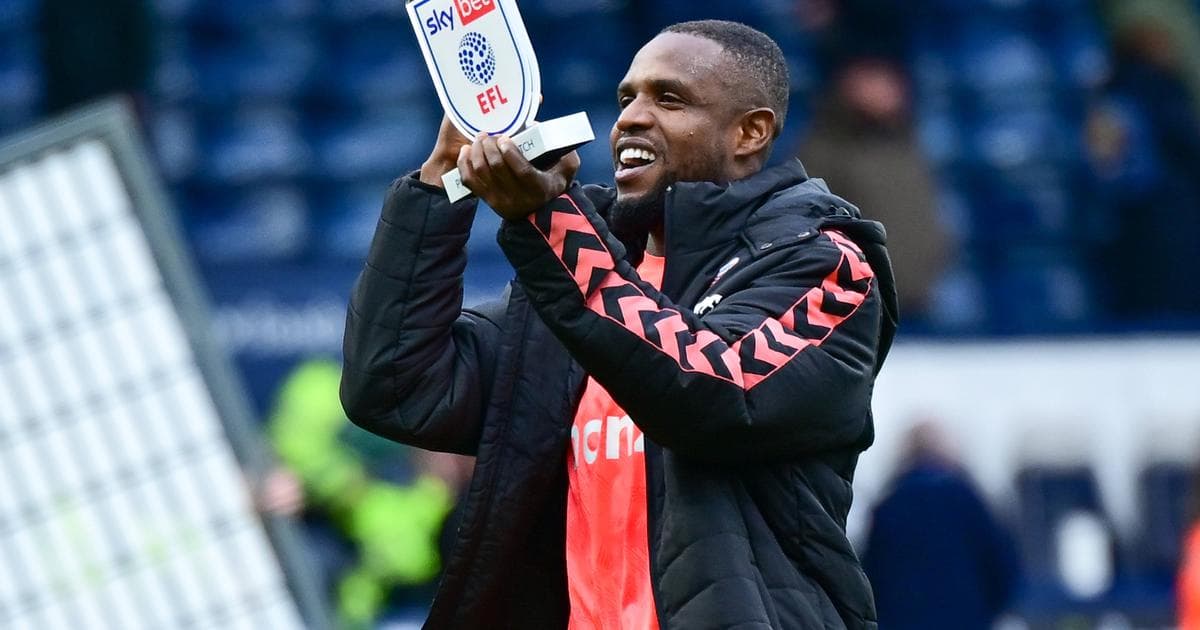
Frank Onyeka Signs Permanent Coventry City Deal After Helping Club Win Championship Title and Promotion
Football · Jun 30

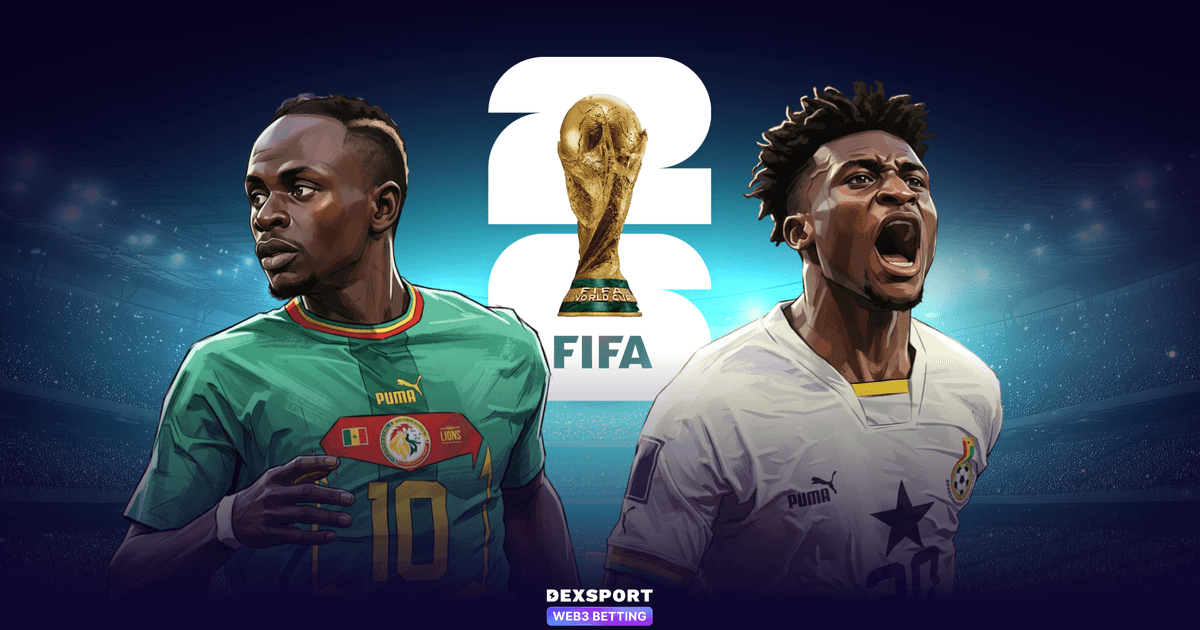
With ten African nations at the 2026 FIFA World Cup — a record — attention centres on Morocco’s bid to surpass their Qatar semi-final, Ivory Coast’s unpredictable potential, and Cape Verde’s historic debut on football’s biggest stage.
The 2026 FIFA World Cup, hosted across the United States, Canada and Mexico, will feature ten African nations — the most the continent has ever sent to a single edition of the tournament. Among them, three teams in particular carry narratives that extend well beyond their group-stage fixtures.
Morocco remain the benchmark for African football at this level. Their run to the semi-finals at the 2022 Qatar World Cup was underpinned by a defensive structure that consistently neutralised elite opposition, and that foundation remains intact heading into 2026. Since Qatar, the squad has added greater depth in attacking areas. Brahim Díaz has integrated into the setup and introduced an additional creative dimension, while Chemsdine Talbi and Ayoub El Kaabi have broadened options in the final third. Morocco navigated their qualification campaign with a combination of defensive solidity and consistent attacking output. Their group — Brazil, Scotland and Haiti — offers no straightforward passage, but the Atlas Lions have already demonstrated an ability to compete with and frustrate the strongest teams in the world. The central question surrounding this squad is no longer about their capacity to reach the latter stages, but whether they can convert another deep run into a first-ever World Cup final appearance.
Ivory Coast present a different kind of challenge for opponents to prepare for. Under the guidance of head coach Emerse Faé, the Elephants have built a more structured and cohesive identity, blending defensive organisation with swift, direct attacking play. Brighton forward Simon Adingra remains a consistent threat in transition, and Manchester United’s Amad Diallo provides creativity and unpredictability in possession. A younger generation of players has emerged alongside the established names, adding energy and competition for places throughout the squad. Ivory Coast have been drawn in a group alongside Belgium, Iran and New Zealand — a path that makes progression to the knockout rounds a realistic target. In the single-elimination phase of any tournament, a team capable of defending resolutely and striking quickly on the counter becomes considerably more dangerous. That combination makes Ivory Coast one of the most difficult sides to assess ahead of the competition.
Cape Verde represent perhaps the most compelling story among Africa’s ten representatives. The island nation, home to a population of approximately 600,000 people, is among the smallest countries ever to qualify for a FIFA World Cup, and their qualification campaign ranks among the more remarkable achievements in recent African football history. Their playing style is built on defensive discipline, compact organisation and rapid transitions rather than possession-based football, and throughout qualifying they demonstrated a consistent ability to compete against more fancied opponents. The group they have been drawn into — Spain, Uruguay and Saudi Arabia — is daunting by any measure. Advancing from it would represent a historic achievement. However, every edition of the World Cup has produced at least one result that defied expectation, and Cape Verde, with nothing to lose and everything to gain, will approach each fixture with that awareness.
The context surrounding African football at this tournament is notable. Nigeria, a side that spent much of their qualification campaign appearing capable of reaching North America, ultimately missed out in the closing stages of their campaign — an absence that has been widely noted across the continent. Their place has, in effect, been taken by sides such as Cape Verde and DR Congo, who secured qualification ahead of the Super Eagles. For followers of African football, the ten-team presence at 2026 offers genuine depth across the group stage and, based on recent performances, at least two squads with credible prospects of reaching the quarter-finals.
Morocco carry the weight of continental expectation and the experience of knowing what a deep World Cup run requires. Ivory Coast bring an element of unpredictability that could prove decisive in knockout football. Cape Verde arrive as debutants, representing a nation of islands in the Atlantic and carrying with them one of the more unlikely qualification stories the sport has produced in recent years. Between these three teams alone, the 2026 World Cup has no shortage of African storylines to follow.
FootballFootball · Jun 30
 Football
 · Jun 30
 Football
 · Jun 30
 Football
 · Jun 30