 Football
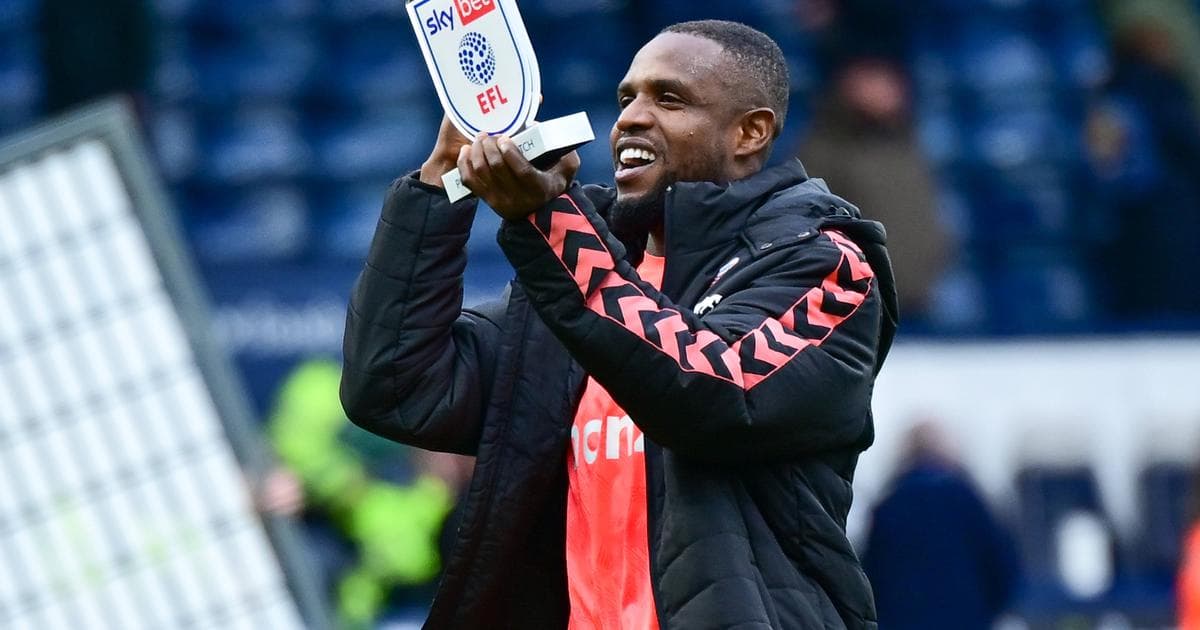
Frank Onyeka Signs Permanent Coventry City Deal After Helping Club Win Championship Title and Promotion
Football · Jun 30

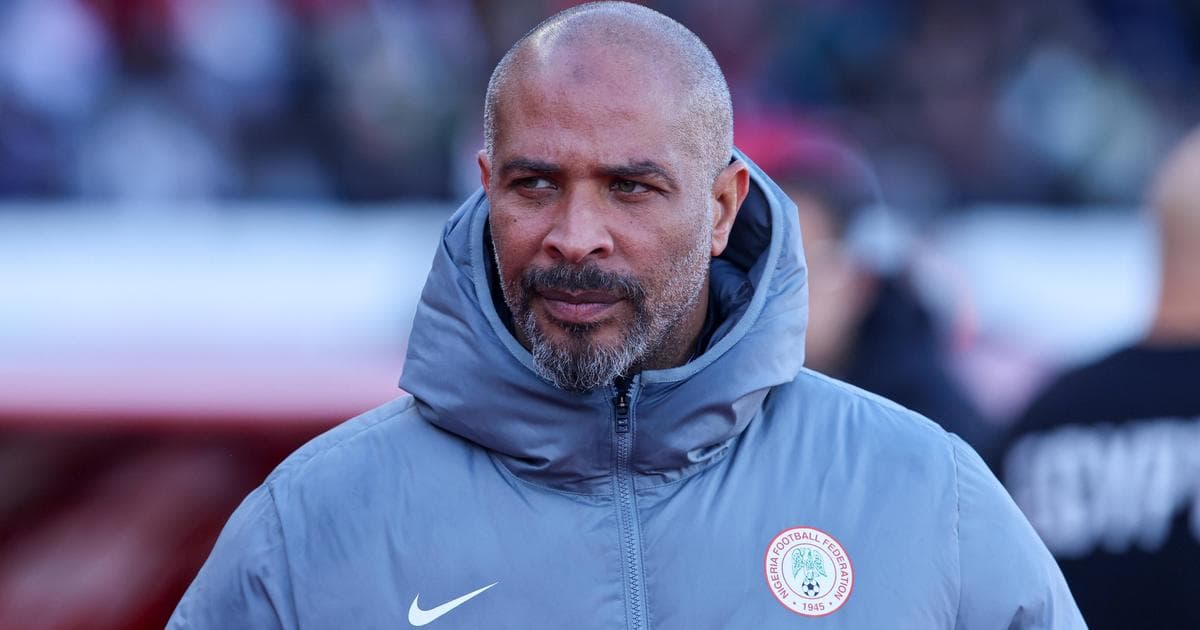
Sixteen-year-old Anglo-Nigerian forward Micah Olabiyi says a training invitation from Super Eagles head coach Eric Chelle during the 2026 Unity Cup has shifted his international allegiance towards Nigeria.
Wycombe Wanderers forward Micah Olabiyi, 16, has indicated that he is leaning toward representing Nigeria at senior international level rather than England, crediting Super Eagles head coach Eric Chelle’s personal approach as a decisive factor in his thinking.
Olabiyi was invited to integrate with the Super Eagles squad during their 2026 Unity Cup campaign in London — a tournament Nigeria won — giving the teenager his first meaningful exposure to the Nigerian international setup. The experience appears to have left a lasting impression on the Anglo-Nigerian prospect.
“I’m fully aware that I have a choice to make. England is my birthplace; it’s where I grew up, and I love this country too. That’s not something I take lightly,” Olabiyi said. “But that Nigeria invitation gave me a sense of identity and connection that I hadn’t fully appreciated before. Seeing how proud my family was, especially my grandfather, really stuck with me, and it makes me lean more towards Nigeria.”
Olabiyi had already begun attracting attention at club level before the international overture. On 2 May 2026, the teenager scored a 78th-minute winner on his League One debut as Wycombe Wanderers defeated Rotherham United 3-2, announcing himself as one of the more promising young talents in the English Football League pyramid.
His situation is emblematic of a long-standing competition between Nigeria and England for players of dual nationality, a dynamic shaped by decades of migration between the two countries. The Super Eagles have historically been on the losing end of this battle, with high-profile players such as Bukayo Saka, Dele Alli, Eberechi Eze, and Fikayo Tomori all opting to represent England despite having Nigerian heritage. The pattern stretches back to 1989, when John Fashanu controversially earned two caps for the Three Lions.
However, Nigeria has recorded notable successes in recruiting from the diaspora. Ademola Lookman and Alex Iwobi were among the dual-nationals who featured prominently at the 2023 Africa Cup of Nations, while Ola Aina and Victor Moses — a winner of the 2013 AFCON title — also chose Nigeria over England.
Chelle’s proactive recruitment of European-based youth prospects reflects a strategy that has yielded significant results elsewhere on the continent. Morocco’s run to the semi-finals of the 2022 FIFA World Cup was built in large part on a squad that included 14 foreign-born diaspora players, establishing a widely noted template for African federations seeking to maximise their talent pool.
For Nigeria specifically, the pursuit of European academy-trained players carries added urgency given the structural challenges facing domestic football. The Nigeria Premier Football League (NPFL) continues to grapple with infrastructural deficiencies, inadequate funding, and limited talent development pathways — conditions that make it difficult to produce and retain elite players without drawing on the diaspora.
Olabiyi has yet to make a formal commitment and remains eligible for both nations at this stage. Should he confirm his intention to represent Nigeria, he would become one of the more prominent young talents to choose the Super Eagles in recent years, and a signal that Chelle’s early outreach to dual-national prospects is beginning to bear fruit.
FootballFootball · Jun 30
 Football
 · Jun 30
 Football
 · Jun 30
 Football
 · Jun 30