 Football
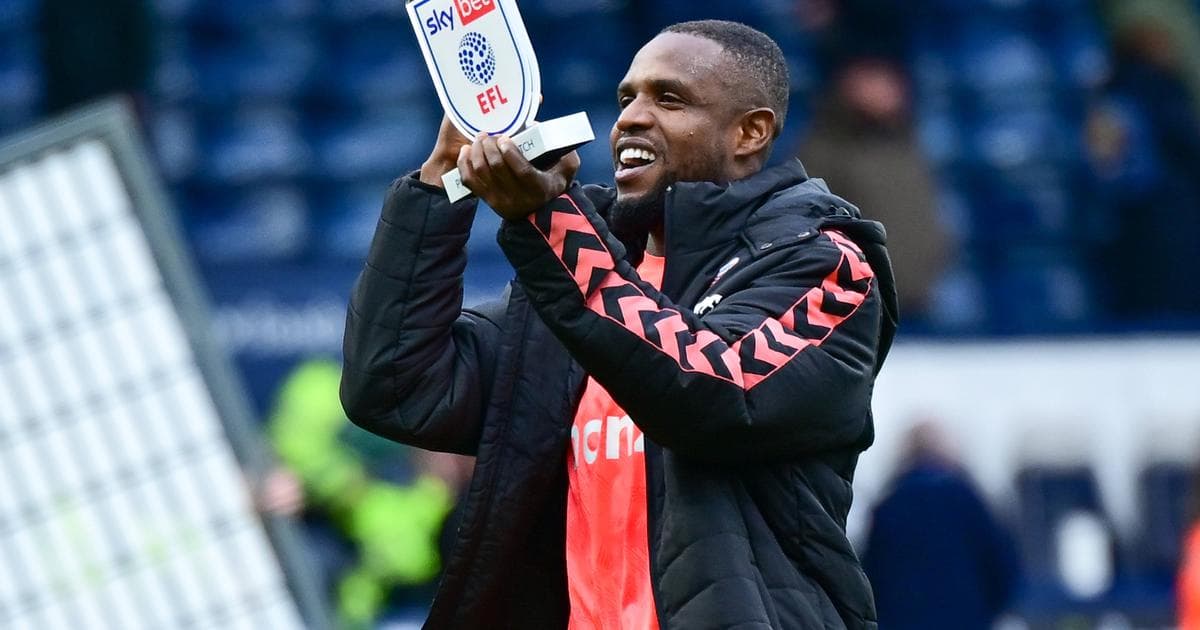
Frank Onyeka Signs Permanent Coventry City Deal After Helping Club Win Championship Title and Promotion
Football · Jun 30

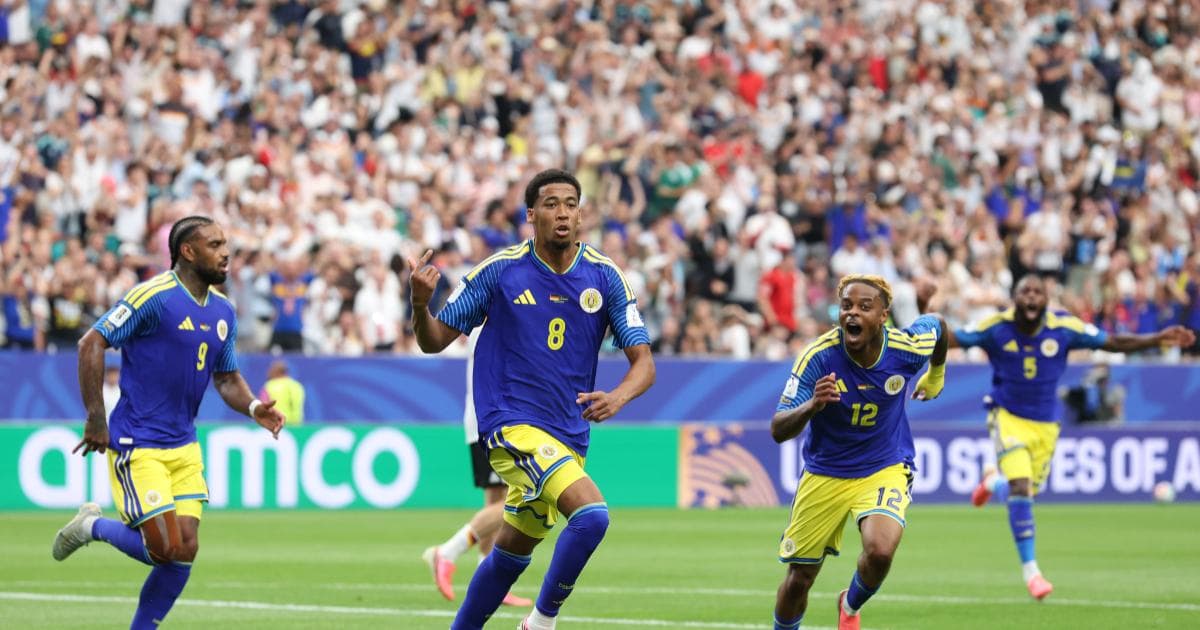
The 22-year-old equalised against four-time world champions Germany on June 14, 2026, sending fans worldwide into raptures and cementing Curaçao’s place in World Cup folklore.
In the 20th minute of Curaçao’s opening 2026 FIFA World Cup fixture against Germany, 22-year-old Livano Comenencia struck the ball into the net to register the Caribbean nation’s first-ever goal on football’s grandest stage. The moment, which levelled the scoreline against four-time world champions Germany, immediately reverberated across global football audiences and triggered an outpouring of tributes on social media.
Curaçao, with a population of approximately 150,000 people, arrived at the 2026 tournament as the smallest nation ever to qualify for the FIFA Men’s World Cup. Comenencia, one of the youngest members of the squad, etched his name into his country’s sporting history with the equaliser, a strike that drew widespread admiration well beyond the Caribbean archipelago.
FIFA’s official account confirmed the milestone on the day, noting that Curaçao had scored their first-ever goal in their first-ever World Cup match — and that it came against Germany. The Curaçao National Football Team’s official account responded with a post simply captioned “What it means for us…”, reflecting the magnitude of the occasion for the island’s football community.
Nigerian sports administrator and journalist Godwin Enakhena captured the sentiment sweeping football circles in a single line. “Curaçao just won the World Cup,” Enakhena wrote on June 14, 2026 — a statement widely understood not as a literal claim but as a celebration of the nation’s remarkable breakthrough on the global stage. The post prompted a wave of similar reactions from supporters across the world.
ESPN FC described Comenencia’s effort as “an absolute beauty,” while independent football accounts and commentators alike hailed it as a truly historic moment. One observer noted that in a newly expanded 48-team World Cup, underdog stories of this nature carry particular resonance, adding that Curaçao being placed in Group E — alongside Germany, Ecuador, and Ivory Coast — made even securing a goal a significant achievement.
The context surrounding Curaçao’s World Cup participation deepens the significance of the milestone. The island, an autonomous country within the Kingdom of the Netherlands located in the southern Caribbean Sea, has developed its football infrastructure steadily over recent decades. Several of its players, including Comenencia, have professional careers in European leagues, lending the squad a degree of technical quality despite the nation’s limited population base.
While Curaçao’s prospects of advancing beyond the group stage remain challenging given the calibre of opposition in Group E, their performances have already drawn admiration from neutral observers around the world. The sight of a small island nation not only competing but scoring against one of European football’s most decorated sides underlines the expanded World Cup format’s capacity to generate genuinely compelling narratives from the fringes of the global game.
For Curaçao, the tournament represents not just a competitive benchmark but a platform to demonstrate the depth of football’s reach across communities that rarely feature in mainstream coverage. Comenencia’s goal, regardless of the final scoreline, stands as a permanent entry in the official record of the FIFA World Cup — and for the approximately 150,000 people who call Curaçao home, that distinction carries weight far beyond the scoreboard.
FootballFootball · Jun 30
 Football
 · Jun 30
 Football
 · Jun 30
 Football
 · Jun 30