 Football
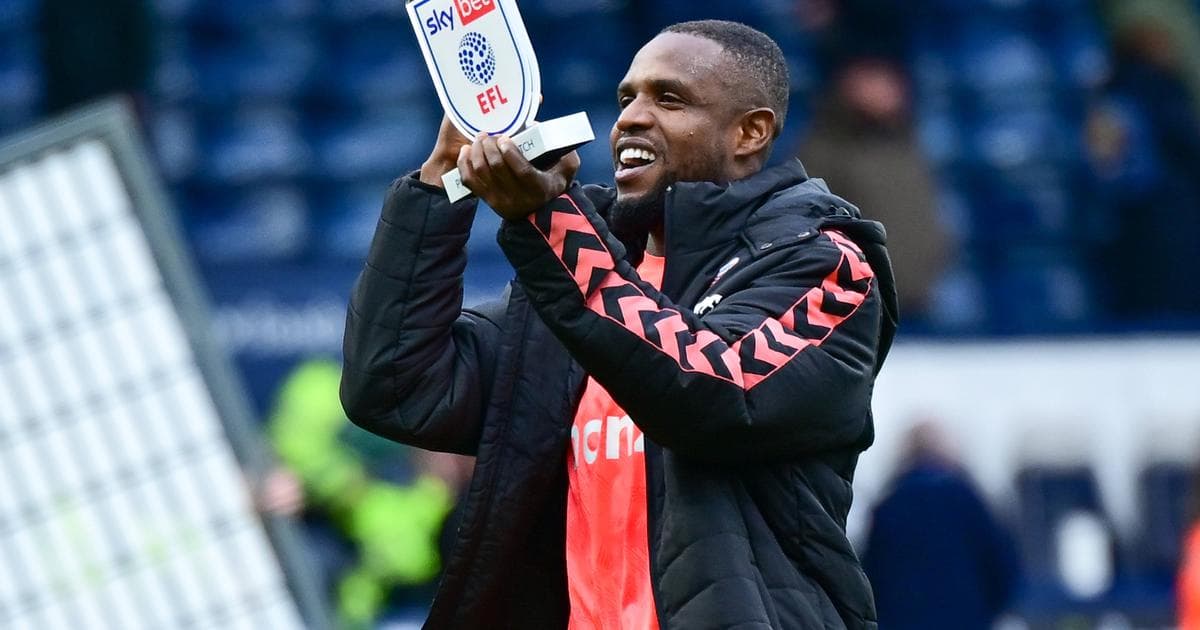
Frank Onyeka Signs Permanent Coventry City Deal After Helping Club Win Championship Title and Promotion
Football · Jun 30

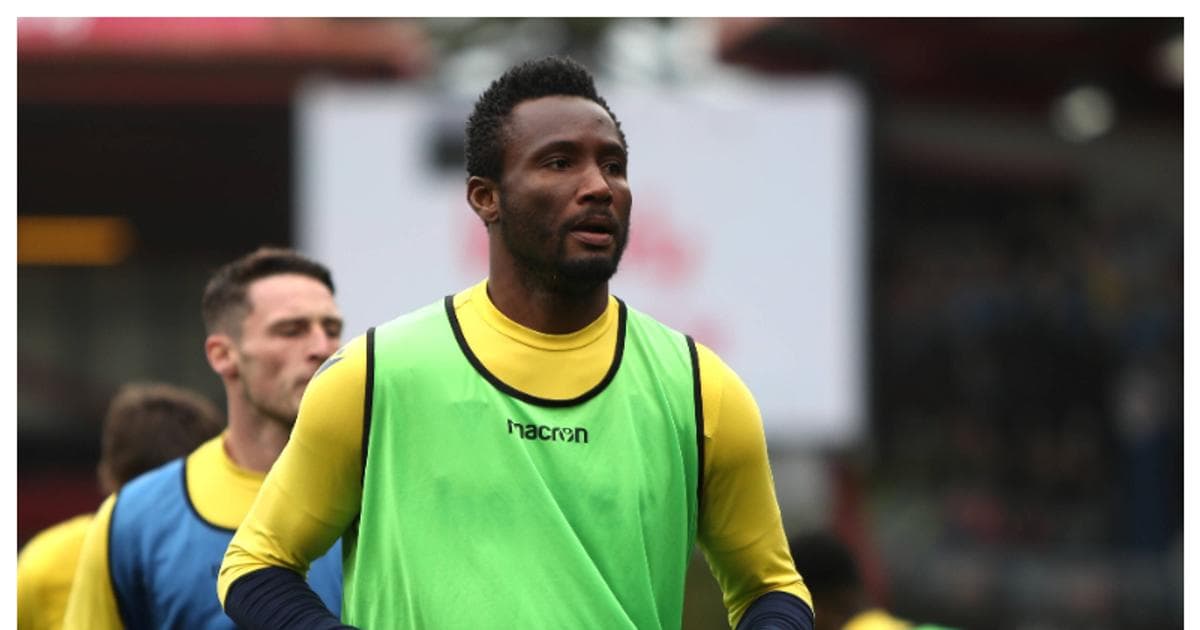
Chelsea legend John Terry has shed light on why former Nigeria captain John Obi Mikel is particularly aggrieved by the Super Eagles’ failure to qualify for the 2026 FIFA World Cup, pointing to professional consequences beyond national pride.
John Terry has offered an unexpected explanation for John Obi Mikel’s visible frustration over Nigeria’s failure to reach the 2026 FIFA World Cup, suggesting the former Super Eagles captain’s displeasure is partly rooted in the professional impact the absence has had on his emerging punditry career.
“I know (Mikel) Obi is very upset that they (Super Eagles) are not there,” Terry stated. “It means he can’t do more commentating on the World Cup. That’s why he was upset.”
The Chelsea icon’s remarks reframe a narrative that many had interpreted purely through the lens of national pride. As a football analyst and pundit, Mikel’s ability to cover his home nation on a global stage has been directly curtailed by the Super Eagles’ non-participation in the tournament.
Terry also separately described Nigeria’s absence as a significant blow to the 2026 FIFA World Cup itself, underlining the broader loss the international football community faces without one of Africa’s most storied football nations at the tournament.
Nigeria’s road to the 2026 World Cup was a turbulent one. The Super Eagles were placed in Group C of CAF qualifying, where a series of poor results, coaching instability, and administrative disruptions saw them drop crucial points. They ultimately finished behind South Africa, who claimed the group’s automatic qualification berth.
Forced into the playoff rounds, Nigeria defeated Gabon but fell at the final hurdle, losing on a penalty shootout to DR Congo in a decisive match held in Rabat, Morocco. A subsequent appeal lodged by the Nigeria Football Federation (NFF) to FIFA over DR Congo’s qualification was ultimately unsuccessful, confirming Nigeria’s elimination.
The qualification campaign was further undermined by repeated changes in technical leadership and ongoing disputes between players and football authorities over bonus payments — issues that have historically disrupted Nigeria’s preparations at key moments.
As a consequence, the Super Eagles will watch the 2026 FIFA World Cup from the sidelines as ten other African nations — including hosts Morocco, Senegal, Egypt, and South Africa — represent the continent at the tournament co-hosted by the United States, Canada, and Mexico.
For Mikel, who captained Nigeria during his playing career and has since built a visible media presence as a pundit, the absence of his national team from football’s biggest stage represents a dual loss: both as a former international and as a broadcast professional whose coverage opportunities are inherently tied to Nigeria’s involvement in major tournaments.
The 2026 FIFA World Cup is scheduled to run from June to July 2026, with Nigeria’s absence marking a significant gap given the country’s footballing history, which includes three Africa Cup of Nations titles and three previous World Cup appearances.
FootballFootball · Jun 30
 Football
 · Jun 30
 Football
 · Jun 30
 Football
 · Jun 30