 Football
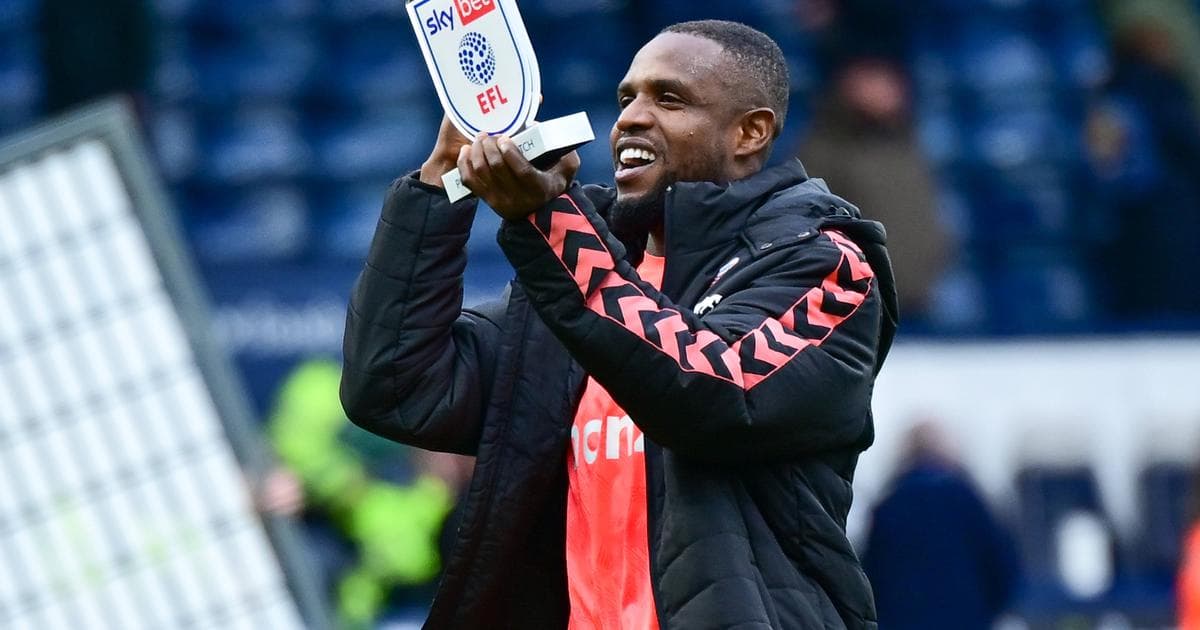
Frank Onyeka Signs Permanent Coventry City Deal After Helping Club Win Championship Title and Promotion
Football · Jun 30

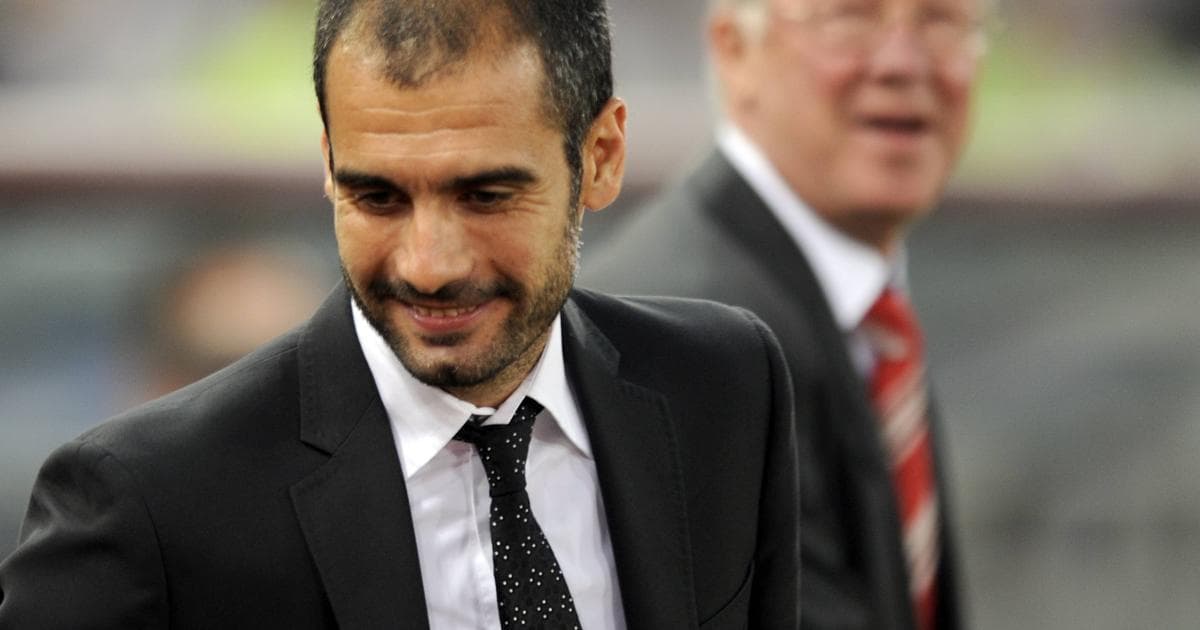
Kelechi Iheanacho played a key role as Celtic clinched a fourth consecutive Scottish Premiership title on the final day, a triumph that has renewed discussion over Sir Alex Ferguson’s place in managerial history.
Celtic secured the 2025/26 Scottish Premiership title with a dramatic 3-1 comeback victory over Hearts on the final day of the season, with Nigerian international Kelechi Iheanacho featuring prominently in the triumph. The result denied Hearts what would have been their first league championship in 66 years.
Hearts had entered the final matchday requiring only a draw to claim an historic title, having held top spot in the table since September. However, Celtic overturned a one-goal deficit through three second-half goals — Arne Engels struck just before the interval, Daizen Maeda added a VAR-approved goal in the 87th minute, and Callum Osmand wrapped up the win in stoppage time. Iheanacho, introduced at half-time, made an immediate impression and struck the post before his teammates completed the turnaround.
The victory was not Celtic’s first defining moment of the week. Earlier, the club had edged Motherwell 3-2 in a controversial midweek fixture, with Iheanacho — widely known by supporters as ‘Seniorman’ — scoring a decisive late penalty to keep their title challenge alive.
The Premiership crown is Celtic’s 56th in their history and their fourth in succession, reinforcing the dominance that the Glasgow club and city rivals Rangers have maintained over Scottish football. Together, the two clubs have won 111 of the 130 Scottish top-flight titles ever contested, a statistic that underlines the near-impossibility of outside challengers sustaining a genuine title bid.
It is precisely this context that has brought renewed attention to the managerial career of Sir Alex Ferguson. The former Aberdeen and Manchester United boss remains the last manager to win the Scottish top-flight title with a club outside the Old Firm, a record that has now stood for 40 years. Ferguson guided Aberdeen to that achievement in 1980, ending a run of 15 consecutive seasons during which Celtic and Rangers had shared the title exclusively between themselves.
Ferguson went on to win two further league titles with Aberdeen, while also leading the club to a European Cup Winners’ Cup and a Super Cup — the latter famously secured by defeating Real Madrid in what remains Aberdeen’s only major European honour.
Those achievements at Pittodrie form the basis of a recurring argument in the debate over who deserves the title of the greatest football manager of all time, a conversation in which Pep Guardiola is frequently the primary comparison. Critics of Guardiola’s record point to the fact that each of his managerial appointments — Barcelona, Bayern Munich, and Manchester City — has seen him inherit squads already positioned as among the most powerful in their respective leagues, with substantial financial resources and established squad depth at his disposal.
Ferguson’s capacity to dismantle an entrenched two-club dominance using a provincial Scottish club is cited by proponents as evidence of a managerial ability that transcends the advantages of resources and institutional infrastructure. The debate remains unresolved, but Celtic’s latest title — and the heartbreak it inflicted on a Hearts side who led the league for the better part of a season — has ensured the argument retains its relevance.
FootballFootball · Jun 30
 Football
 · Jun 30
 Football
 · Jun 30
 Football
 · Jun 30