 Football
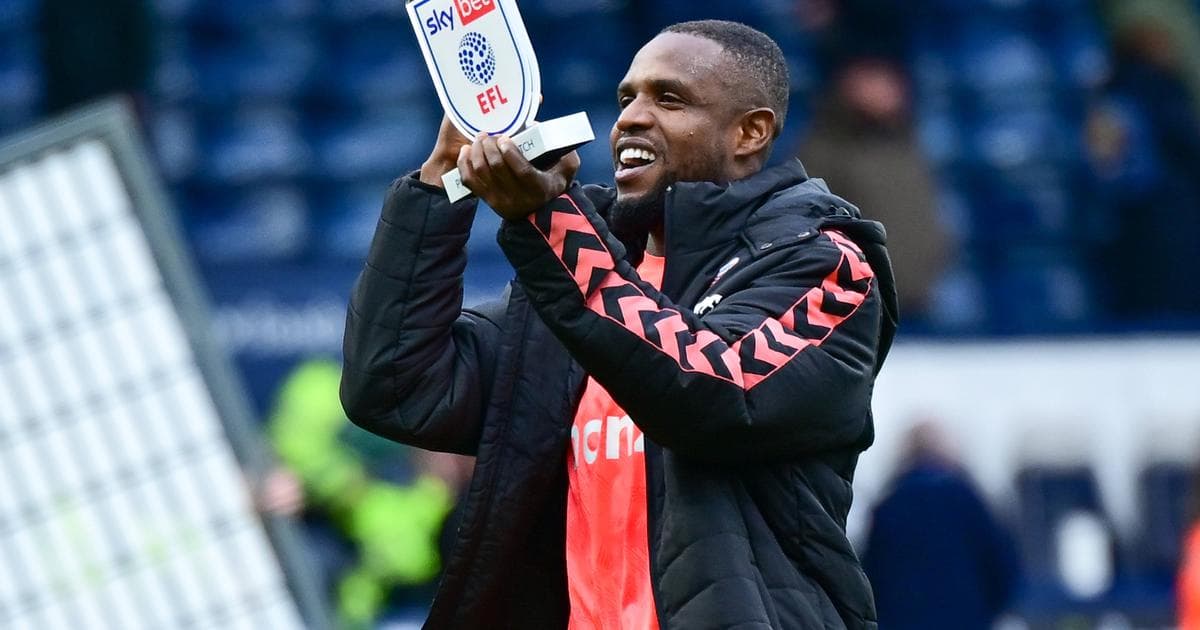
Frank Onyeka Signs Permanent Coventry City Deal After Helping Club Win Championship Title and Promotion
Football · Jun 30


The expansion to 48 teams at the 2026 World Cup introduces a significantly larger scouting landscape for clubs, agents, and recruitment departments worldwide. Players from smaller football nations and emerging markets — including across Africa — stand to gain unprecedented global exposure.
When the 2026 FIFA World Cup kicks off across the United States, Canada, and Mexico, it will do so with a historic structural change: 48 participating nations competing across 12 groups, a new Round of 32, and a total of 104 matches. That expansion, the largest in the tournament’s history, carries consequences that extend well beyond fixture scheduling — it fundamentally alters how professional clubs approach talent identification on a global scale.
Under the new format, recruitment departments will be required to monitor 48 national squads rather than the previous 32. The introduction of a Round of 32 means more players will compete under high-pressure knockout conditions, generating the kind of live evidence that scouts and analysts regard as most valuable. Clubs that previously maintained focused shortlists will need broader coverage across Africa, Asia, Oceania, CONCACAF, and smaller football nations before the opening round begins.
Pre-tournament preparation will separate the best-resourced recruitment operations from those that react too slowly. A player considered affordable in March can command a significantly higher fee following three strong group-stage performances in June. Early scouting work — built on qualification form, club minutes, injury records, tactical role, and physical output data — allows clubs to negotiate before the transfer market becomes crowded with competing agents and rival bids.
For players outside Europe’s established leagues, a single strong performance against elite opposition can function as a live audition. A centre-back who wins aerial duels consistently, a goalkeeper who manages pressure in a hostile stadium, or a midfielder who maintains defensive shape against faster opponents can move from regional interest to genuine transfer targets within days. Scouts operating at this level will look beyond goals and assists, prioritising decision-making, pressing discipline, movement off the ball, first touch under pressure, and composure following mistakes.
African football stands to benefit meaningfully from the expanded format. Greater national team visibility across the continent translates directly into more tactical profiles, individual player data, and live match evidence for recruitment teams to assess. The wider global spotlight on African squads also raises commercial and analytical interest in domestic leagues, including emerging markets that have historically been treated as secondary targets by European clubs.
For Nigerian football specifically, the implications remain relevant despite the Super Eagles’ absence from the 2026 World Cup field. Nigeria’s established internationals playing in Europe continue to shape recruitment conversations, while players in the Nigeria Premier Football League could benefit indirectly as broader attention to African football increases. Nigeria remains one of the continent’s most closely watched football nations, and sustained interest in the African market is unlikely to recede after the tournament concludes.
Data tools and video platforms will play a central role in filtering a larger player pool. Metrics covering pressing intensity, passing range, sprint volume, aerial duels won, and defensive actions allow recruitment analysts to produce shortlists before committing scouting resources. However, the World Cup also tests qualities that statistical models can struggle to capture: communication under pressure, body language after an error, concentration in unfamiliar environments, and the ability to maintain discipline against elite opponents across multiple matches in quick succession. Live observation remains an essential final layer.
The 104-match schedule will also shift which player profiles clubs prioritise. With squads required to manage travel across three host countries and recover between fixtures at pace, tactical flexibility and physical resilience will carry added weight in recruitment assessments. Versatile profiles — a full-back capable of playing both flanks, a centre-back comfortable in a back three or a back four, a midfielder who can press aggressively and distribute quickly — are likely to draw stronger interest than specialists suited to a single system.
The structural shift in how clubs will need to scout this tournament reflects a broader evolution in recruitment methodology: wider geographical coverage, earlier preparation timelines, a greater reliance on data filtering, and sustained attention to markets that have previously been undervalued. The 2026 World Cup, by expanding access, effectively expands the global talent pool available to professional clubs — and the recruitment departments that adapt earliest are most likely to benefit.
FootballFootball · Jun 30
 Football
 · Jun 30
 Football
 · Jun 30
 Football
 · Jun 30