 Football
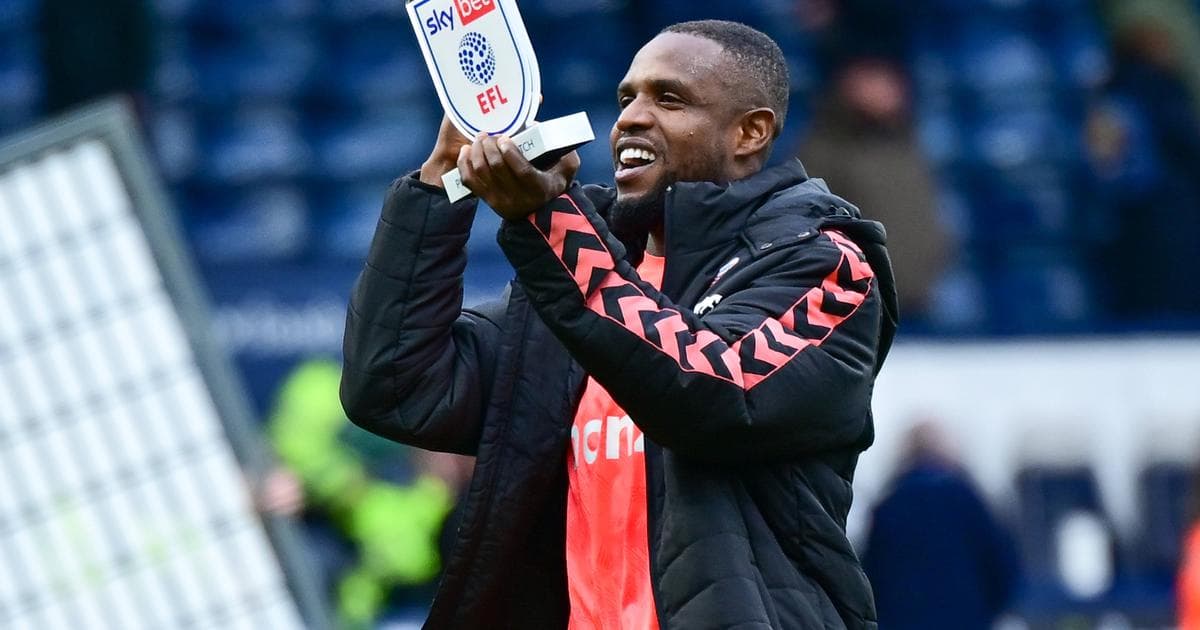
Frank Onyeka Signs Permanent Coventry City Deal After Helping Club Win Championship Title and Promotion
Football · Jun 30

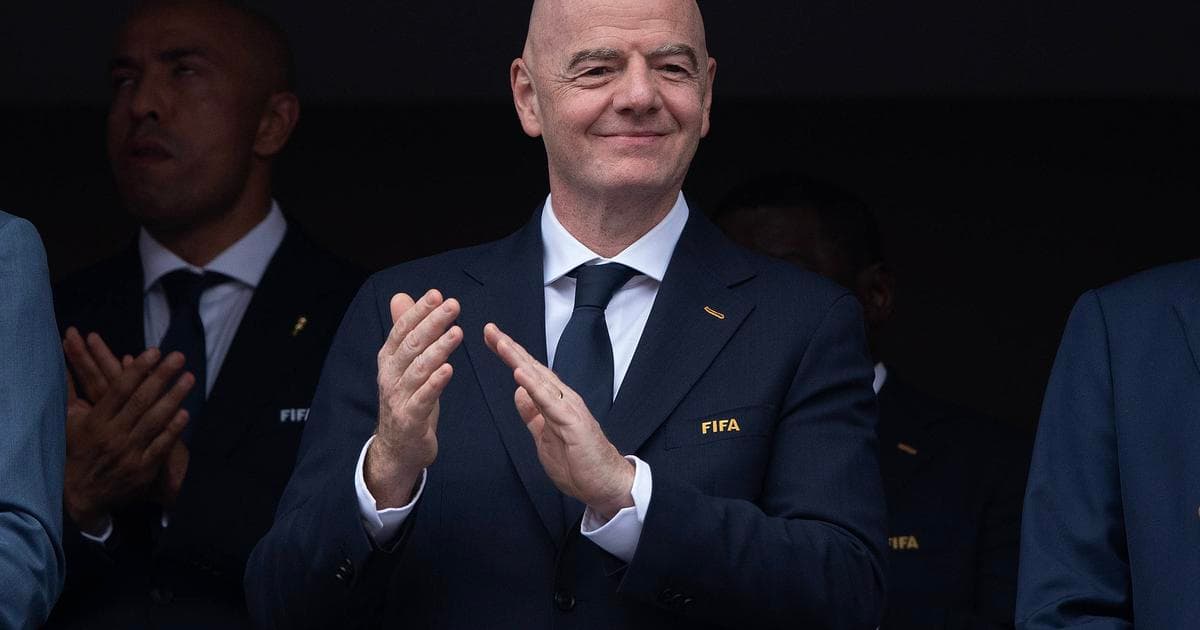
The 2026 FIFA World Cup has already surpassed a cumulative attendance record that stood since the 1994 edition in the United States, with FIFA President Gianni Infantino projecting the expanded 48-team tournament will become the first to exceed five million total spectators.
Just 44 matches into a 104-game schedule, the 2026 FIFA World Cup has recorded a total cumulative attendance of 2,851,010 spectators — a figure that has already rewritten records dating back more than three decades.
Addressing the media in New York on 24 June 2026, FIFA President Gianni Infantino described the tournament as a landmark moment in sporting history. “It’s incredible. Bigger than anything the world has ever seen – not just any soccer or football event – but any event in any way. It’s the most successful event in history,” Infantino said. “Stadiums are full, cities are full, the ambience is great. We have many families, many children, many women in the stadium, and this is really beautiful.”
The tournament, co-hosted across Canada, Mexico, and the United States, is currently averaging 64,796 fans per match and boasts a stadium occupancy rate of 99.6%. Those numbers reflect a significant uptick in attendance driven in part by the expanded format, which increased the field from 32 to 48 nations — a change FIFA approved back in 2017.
The record that had stood since 28 June 1994 — a single-day cumulative attendance figure of 277,071 — was broken twice within the space of less than a week during the group stage. The new benchmark was set on Tuesday, when 288,007 spectators attended the four fixtures scheduled that day across the three host nations.
The 1994 World Cup in the United States had long been considered the gold standard for attendance, drawing 3,587,538 fans across 52 matches. With 60 fixtures still remaining in the 2026 edition, the tournament is on course to become the first in history to surpass five million total attendees — a threshold that would represent a generational shift in the scale of the event.
Beyond the raw attendance data, Infantino also used his media appearance to defend one of the more contentious aspects of this year’s tournament: mandatory water breaks introduced at the 22nd and 67th minutes of every match. The breaks have drawn criticism from some broadcasters and supporters who argue they disrupt the flow of play, but Infantino pushed back firmly on those concerns, framing player welfare as non-negotiable. He argued that the scheduled pauses have enabled players to sustain high-intensity performances despite the demanding summer heat conditions across the host cities.
“I’m very, very grateful to all the fans who come to the stadiums, who go to the Fan Festivals,” Infantino added, redirecting attention toward the broader cultural atmosphere surrounding the tournament.
The logistical complexity of staging a 48-team World Cup across three countries and multiple time zones has attracted scrutiny throughout the planning process, with questions raised about travel demands on teams and supporters alike. The attendance figures, however, suggest that those concerns have not dampened public appetite for the expanded format.
FIFA Fan Festivals across all three host nations have also reported growing footfall throughout the group stage, adding another dimension to the tournament’s reach beyond ticketed stadium attendees. With the round of 32 — a new knockout stage introduced for the first time at this edition — still to come, the commercial and cultural momentum behind the 2026 World Cup shows no signs of slowing.
FootballFootball · Jun 30
 Football
 · Jun 30
 Football
 · Jun 30
 Football
 · Jun 30