 Football
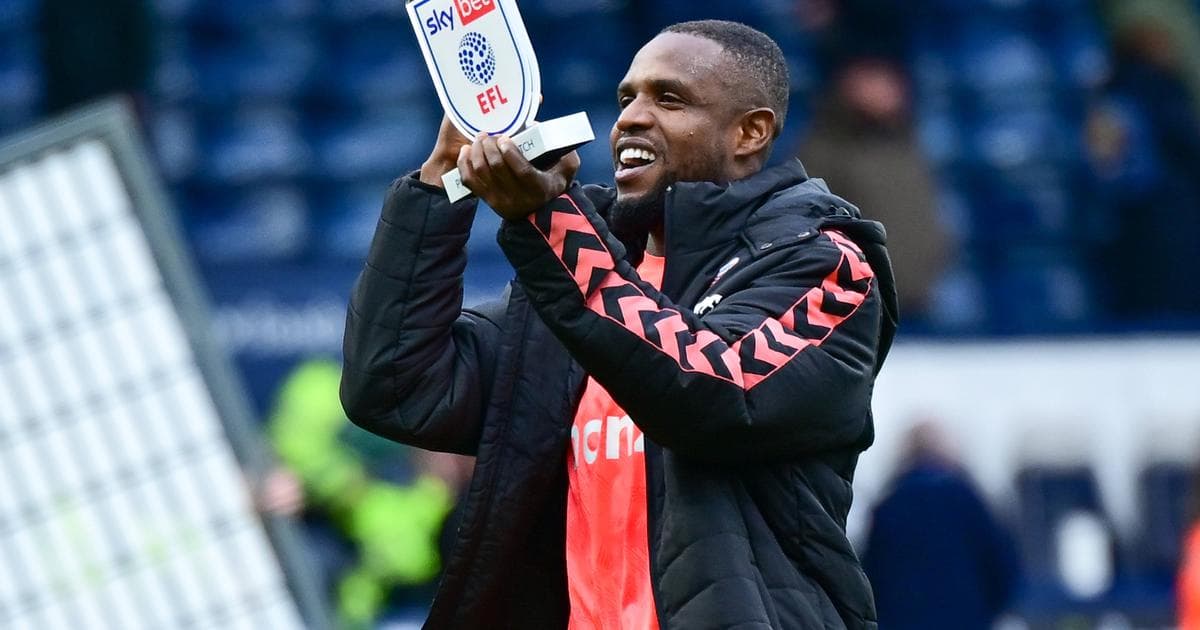
Frank Onyeka Signs Permanent Coventry City Deal After Helping Club Win Championship Title and Promotion
Football · Jun 30

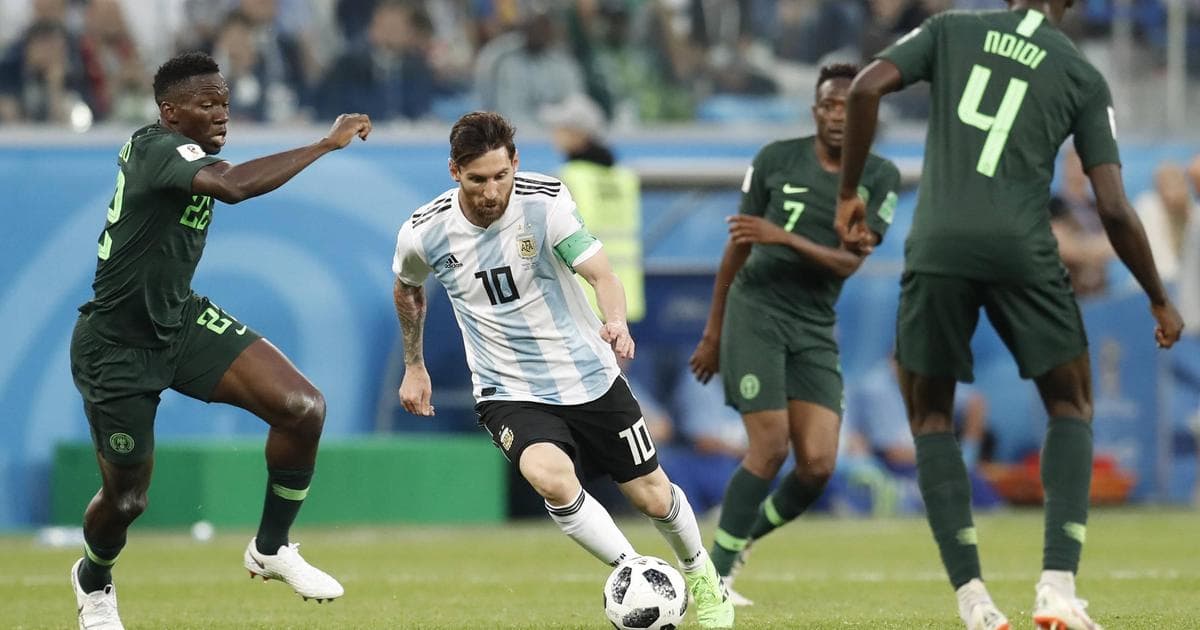
Former Super Eagles coach Gernot Rohr has opened up on the tactical decisions that failed to stop Lionel Messi during Nigeria’s 2-1 Group D exit at the 2018 FIFA World Cup, prompted by Messi’s hat-trick in Argentina’s 3-0 win over Algeria at the 2026 edition.
Lionel Messi’s commanding display against Algeria at the 2026 FIFA World Cup has prompted a candid retrospective from one of his former opponents. Gernot Rohr, who managed the Nigerian national team between 2016 and 2021, reflected on the defensive strategy he deployed against the Argentine captain during their 2018 World Cup group stage encounter — and why it ultimately fell short.
Messi, now 38 years old, delivered a hat-trick as Argentina defeated Algeria 3-0 in a Group J fixture at the 2026 tournament, underscoring a longevity that has drawn widespread admiration across football. Rohr was among those left impressed. “Eight years after our game against Argentina, it’s wonderful to see that he’s still so fit and so efficient,” the German tactician told Soccernet.
Rohr’s comments centre on the Group D clash played at the Krestovsky Stadium in Saint Petersburg on June 26, 2018. Rather than deploying a dedicated man-marker on Messi — a tactic employed by several sides throughout his career — the former Nigeria coach opted for a structured collective defensive block. The decision could not prevent Messi from opening the scoring in the 14th minute. “We didn’t have an individual marking against him. We tried to play collective defence, and despite our organisation, he scored a goal,” Rohr explained.
Nigeria responded well after the setback. Victor Moses converted a penalty in the 51st minute to draw the Super Eagles level at 1-1, setting up a tense finish. However, Marcos Rojo’s volley in the 86th minute completed a 2-1 victory for Argentina, eliminating Nigeria from the tournament at the group stage. Rohr acknowledged the manner of the defeat: “In the match, there was a penalty for us so we could go to 1-1, and in the end they scored a second goal, a shot from far, but Messi was the first goal.”
Despite the painful exit, Rohr’s assessment of Messi carried no bitterness. “Unfortunately, we were eliminated by his team. This wonderful player is still here and we are very happy to see such a great football player still on the pitch having a good World Cup,” he said.
The 2018 encounter remains one of the more memorable Nigeria–Argentina meetings in World Cup history. The two nations had previously faced each other at the 1994, 2002, and 2010 World Cups, with Argentina winning three of those four fixtures. Messi, who has now won eight Ballon d’Or awards and lifted the FIFA World Cup with Argentina at the 2022 edition in Qatar, continues to feature prominently at the 2026 tournament co-hosted by the United States, Canada, and Mexico.
Rohr himself went on to manage Togo after his stint with Nigeria and most recently led Mauritania before departing the role in 2025. His comments offer a rare tactical insight into how opposing coaches approached the challenge of containing Messi — and the limitations even well-organised defensive structures faced against the Argentine.
Nigeria, meanwhile, did not qualify for the 2026 FIFA World Cup, having been eliminated during the CAF qualifying campaign. The Super Eagles’ absence from the tournament has refocused attention on the country’s qualification struggles and the structural challenges facing Nigerian football heading into the next cycle.
FootballFootball · Jun 30
 Football
 · Jun 30
 Football
 · Jun 30
 Football
 · Jun 30