 Football
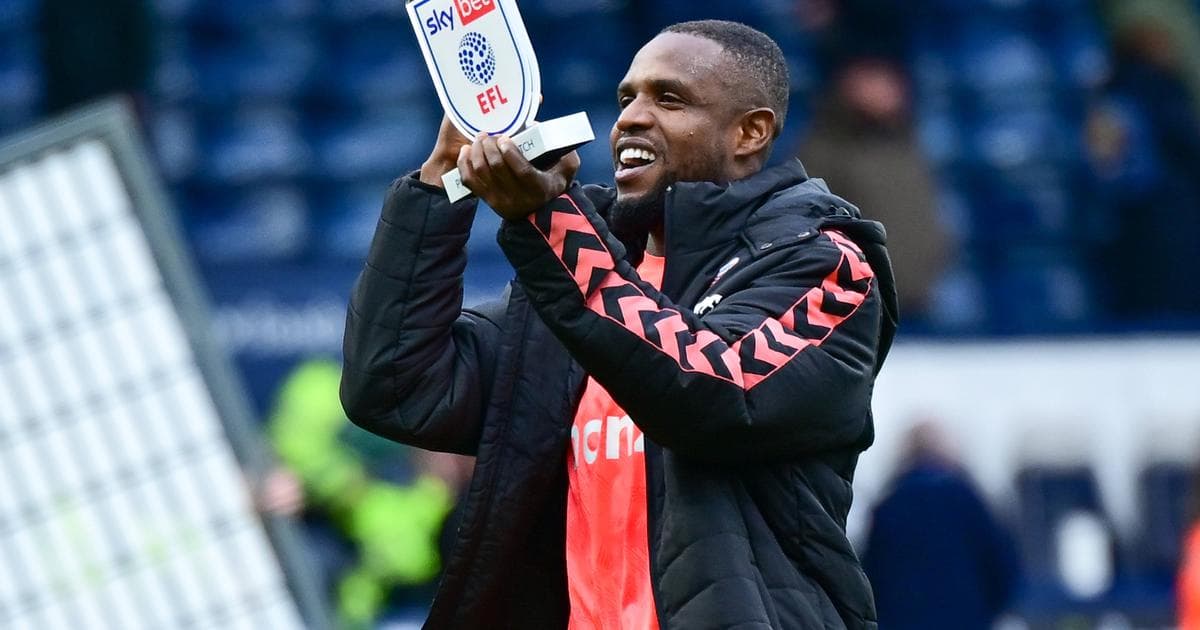
Frank Onyeka Signs Permanent Coventry City Deal After Helping Club Win Championship Title and Promotion
Football · Jun 30

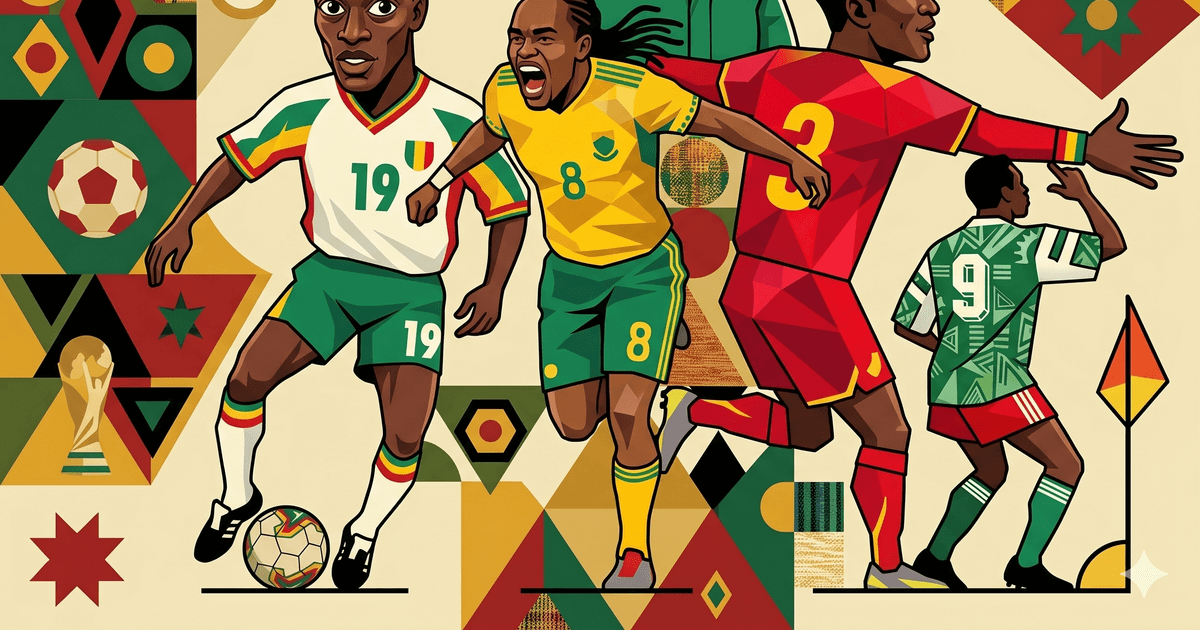
With 10 African nations set to compete at the 2026 FIFA World Cup across the United States, Canada, and Mexico, a look back at the continent’s most transformative figures in tournament history reveals a legacy of barrier-breaking performances spanning nearly a century.
The buildup to the 2026 FIFA World Cup — co-hosted by the United States, Canada, and Mexico — has prompted renewed reflection on Africa’s contributions to the tournament’s history. For the first time, 10 African nations will participate simultaneously, a milestone that adds weight to the achievements of the players who first forced the world to take notice.
The story begins in 1934, when Egypt became the first African nation to qualify for the FIFA World Cup, held in Italy. Forward Abdelrahman Fawzi scored twice during Egypt’s 4-2 Round of 16 defeat against Hungary in Naples, making him the first African footballer ever to score at the tournament. Given the knockout format of that year’s competition, Egypt exited after a single match, but Fawzi’s goals carried lasting symbolic importance at a time when African football was largely dismissed on the international stage.
Forty-four years later, Tunisia wrote another chapter at the 1978 FIFA World Cup in Argentina. Midfielder Néjib Ghommidh scored the decisive goal in a 3-1 comeback victory against Mexico in Rosario — Africa’s first-ever win at the tournament. Tunisia had fallen behind before Ali Kaabi, Ghommidh, and Mokhtar Dhouieb combined to overturn the deficit. Although Tunisia narrowly failed to advance from their group, the result permanently altered expectations for African nations on the global stage.
Morocco extended that progress at Mexico 1986, where goalkeeper Ezzaki Badou — known as Zaki — anchored a defensive effort that saw the Atlas Lions become the first African nation to top a FIFA World Cup group. The achievement stood as a landmark moment for continental football, demonstrating that African sides could compete with and surpass established European and South American nations across a full group campaign.
No figure did more to reshape global perceptions of African football than Cameroon’s Roger Milla. At Italia 1990, Milla — aged 38 at the time — scored four goals and inspired the Indomitable Lions to the quarter-finals, making Cameroon the first African nation to reach that stage of the competition. His two extra-time goals against Colombia also made him the first African footballer to score in a World Cup knockout match. Four years later at USA 1994, Milla scored against Russia aged 42 years and 39 days, a record for the oldest goalscorer in World Cup history that remains unbroken. He also held the record as Africa’s leading World Cup scorer before Ghana’s Asamoah Gyan eventually surpassed his tally.
At USA 1994, Nigeria announced themselves with a 3-0 victory over Bulgaria inside the Cotton Bowl Stadium — Africa’s largest winning margin at the World Cup to that point. Striker Rashidi Yekini scored the opening goal, becoming Nigeria’s first-ever World Cup goalscorer. His celebration, clutching the net in a moment of visible emotion, became one of the most iconic images in tournament history. The result signalled Nigeria’s emergence as a continental football powerhouse capable of competing at the highest level.
Sixteen years later, the FIFA World Cup arrived on African soil for the first time. South Africa’s Siphiwe Tshabalala marked the occasion with a left-footed strike into the top corner during the 55th minute of the opening match against Mexico at Soccer City Stadium in Johannesburg, making him the first African player to score at a World Cup hosted on the continent. The image of Tshabalala’s celebration near the corner flag was subsequently immortalised in photographs, documentaries, and FIFA promotional material. South Africa exited during the group stage, but the goal’s cultural and historical resonance endured well beyond the tournament.
Collectively, these performances — spanning from Naples in 1934 to Johannesburg in 2010 — document a continent’s progressive assertion of its place in global football. As 2026 approaches with a record African representation, the foundations laid by Fawzi, Milla, Yekini, Tshabalala, and their contemporaries will provide the historical backdrop against which a new generation of African players will compete.
FootballFootball · Jun 30
 Football
 · Jun 30
 Football
 · Jun 30
 Football
 · Jun 30