 Football
Frank Onyeka Signs Permanent Coventry City Deal After Helping Club Win Championship Title and Promotion
Football · Jun 30

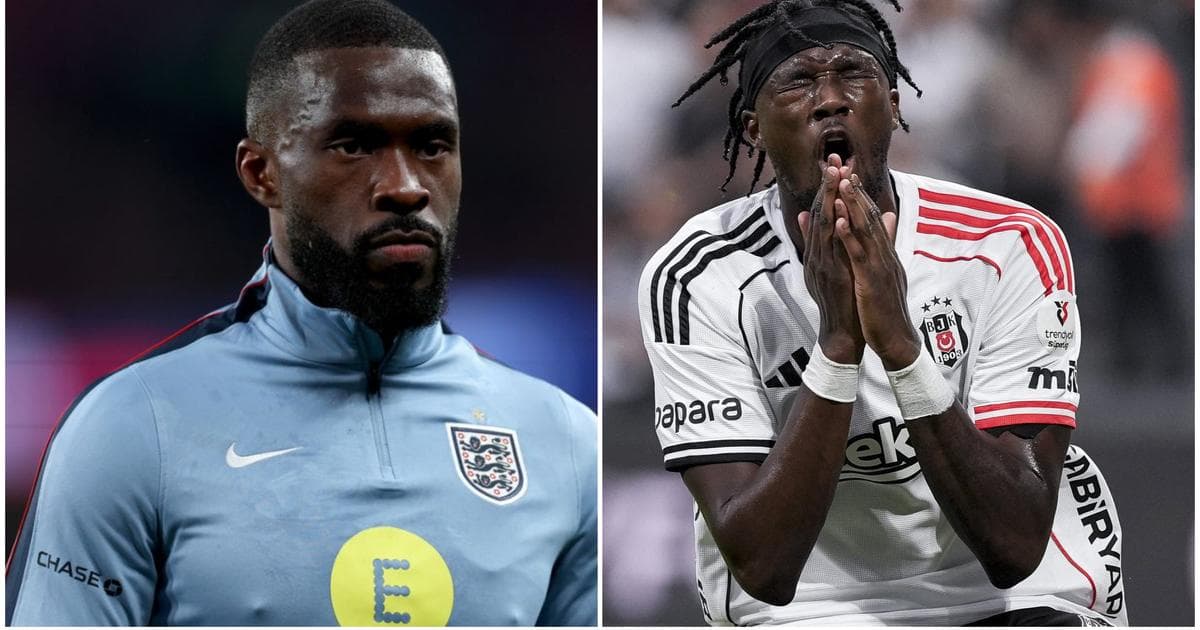
Thomas Tuchel has omitted both Fikayo Tomori and Tammy Abraham from England’s final 26-man squad for the 2026 FIFA World Cup, reigniting debate over the dual-nationals’ decisions to commit to the Three Lions over Nigeria.
England manager Thomas Tuchel has named his final 26-man squad for the 2026 FIFA World Cup, with AC Milan defender Fikayo Tomori and striker Tammy Abraham both absent from the selection. The official England squad announcement, made on 22 May 2026, confirmed what many had anticipated — that neither Anglo-Nigerian player would feature in the tournament.
Both Tomori and Abraham are former Chelsea academy products who were eligible to represent Nigeria, Canada (in Tomori’s case), or England. Each ultimately chose to commit to the Three Lions, a decision that has resurfaced with considerable force following their World Cup exclusions.
The omissions have drawn a sharp and largely unsympathetic reaction from Nigerian football supporters across social media platforms, particularly on X, formerly Twitter. Many fans view the snubs as a foreseeable outcome of what they describe as an exploitative cap-tie strategy, where players are given limited international appearances to lock in their eligibility before being discarded from major squads.
One widely shared comment captured the prevailing mood: “They cap-tied him and drip-feed him one throwaway game every year. He could be the face of Canada or Nigeria’s defense, but look at him now.” Another post stated plainly: “Fikayo Tomori and Tammy Abraham just wasted their international career. What a shame.”
A further comment, directed at those offering sympathy to the players, read: “He made the decision, so who should face the consequences? Me?”
The reaction reflects a long-running tension in Nigerian football discourse surrounding dual-national players who decline Super Eagles invitations. The frustration among fans is compounded by the contrast with players who have taken the opposite path. Goalkeeper Arthur Okonkwo, for instance, successfully switched his international allegiance to Nigeria and has received considerable praise for the decision.
For Tomori specifically, the situation carries additional weight given that Canada represented a third viable international option. A tactical analyst quoted in the original report framed the situation as follows: “Missing out behind that England depth is one thing, but the fact that he barely even gets a look in friendlies makes the cap-tie feel so malicious. He deserved a proper international career. He just thought he was above Nigeria and Canada. Wrong decision, now he has to live with it.”
The timing of the squad announcement also draws attention to the current strength of the Nigeria national team setup. The Super Eagles feature strikers of the calibre of Victor Osimhen and Ademola Lookman, players who have established themselves among the continent’s most prominent attacking talents. Nigerian supporters have been quick to point out that the team Tomori and Abraham declined to represent is no longer short of quality or global visibility.
The 2026 FIFA World Cup is set to be co-hosted by the United States, Canada, and Mexico, making it one of the most expansive editions of the tournament in history. England’s squad selection has drawn attention beyond just these two omissions, but the exclusion of two players with Nigerian heritage has understandably resonated most strongly in that particular conversation.
Neither Tomori nor Abraham has publicly responded to their omission from Tuchel’s squad at the time of writing.
FootballFootball · Jun 30
 Football
 · Jun 30
 Football
 · Jun 30
 Football
 · Jun 30