 Football
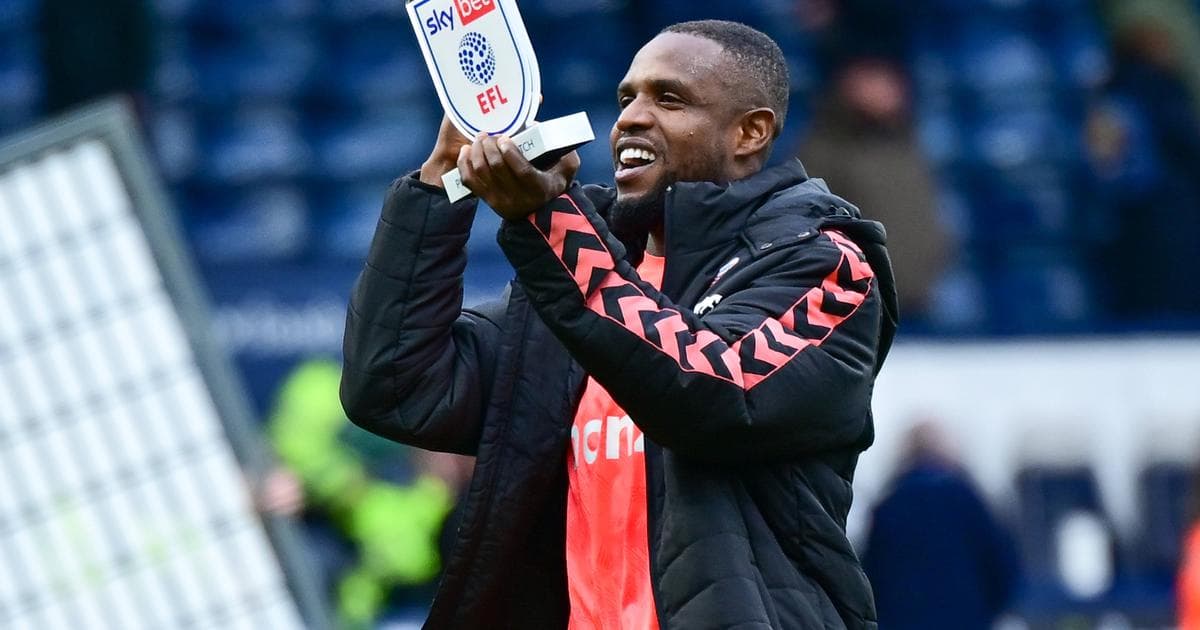
Frank Onyeka Signs Permanent Coventry City Deal After Helping Club Win Championship Title and Promotion
Football · Jun 30

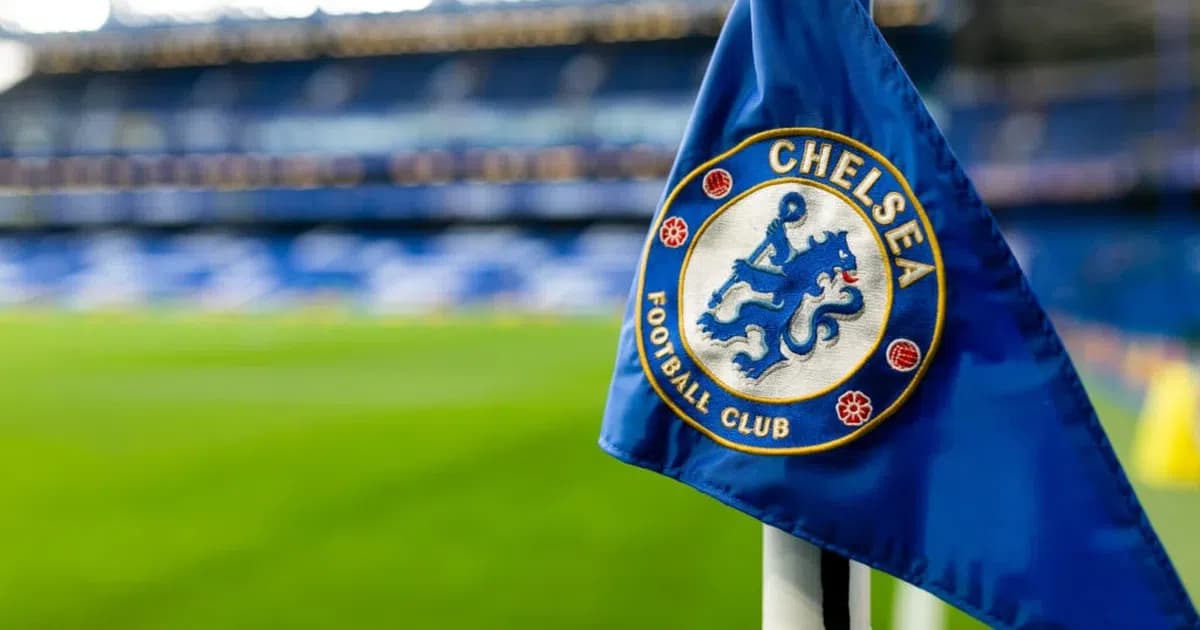
Former Chelsea Women striker Eniola Aluko has opened up about her decision to play international football for England rather than Nigeria, attributing the outcome to circumstance and the limited state of women’s football in the country during the 1990s.
Eniola Aluko, the former Chelsea Women and England women’s national team forward, has addressed one of the more persistent questions surrounding her career — why she never represented Nigeria at international level despite being born in the country and maintaining a deep connection to her Nigerian heritage.
Speaking via Punch, Aluko was unequivocal that the decision was not driven by personal preference but by the realities of the era in which she came of age as a footballer. “Honestly, it wasn’t really a choice. Women’s football was not established when I was growing up in the 1990s. I didn’t even know women’s football existed in Nigeria at the time,” she said.
Aluko received her first call-up to the England setup at the age of 14, a pathway she described as the only viable option accessible to her at that stage of her development. With no established women’s football structure in Nigeria to speak of during that period, the route through England’s youth system became her footballing foundation.
Born in Nigeria before relocating abroad, Aluko has consistently spoken about the importance of her African identity throughout her public life. That pride in her heritage, she made clear, never diminished despite the international jersey she wore. “I was born in Nigeria. I have a Nigerian name, and I never felt the need to change it to something more English. From a young age, I was proud of who I was. My mother cooked Nigerian food for us, and that culture stayed with me,” Aluko stated.
Aluko went on to enjoy a distinguished club career, most notably at Chelsea Women, where she was a prominent figure during a formative period for the club. She also had spells at Birmingham City, Juventus Women, and Atlanta Beat, among others, and earned over 100 caps for England across a senior international career that spanned more than a decade.
Her comments arrive at a time when women’s football infrastructure across Africa has developed considerably compared to the landscape she described from the 1990s. Nigeria’s Super Falcons have been one of the continent’s dominant forces in the women’s game, winning the Africa Women Cup of Nations a record eleven times. The Super Falcons are also preparing for WAFCON 2026, though the squad has recently been dealt an injury setback with one key player ruled out for approximately six weeks.
Aluko has expressed ambitions to contribute to football development in Nigeria, signalling that her ties to the country extend beyond personal identity into a professional interest in the growth of the game on the continent.
Her reflections also come amid a separate and well-documented public dispute with Arsenal and England legend Ian Wright, following comments Aluko made that drew significant backlash. Aluko subsequently issued an apology to Wright, which he publicly stated he was not prepared to accept. That episode has kept the former forward in the spotlight in recent weeks beyond her footballing legacy alone.
Aluko’s career trajectory — shaped by geography, timing, and the underdeveloped state of women’s football in Nigeria during her formative years — offers a broader illustration of the structural gaps that existed across African women’s football for much of the late twentieth century, gaps that governing bodies and federations across the continent continue to work to address.
FootballFootball · Jun 30
 Football
 · Jun 30
 Football
 · Jun 30
 Football
 · Jun 30