 Football
Frank Onyeka Signs Permanent Coventry City Deal After Helping Club Win Championship Title and Promotion
Football · Jun 30

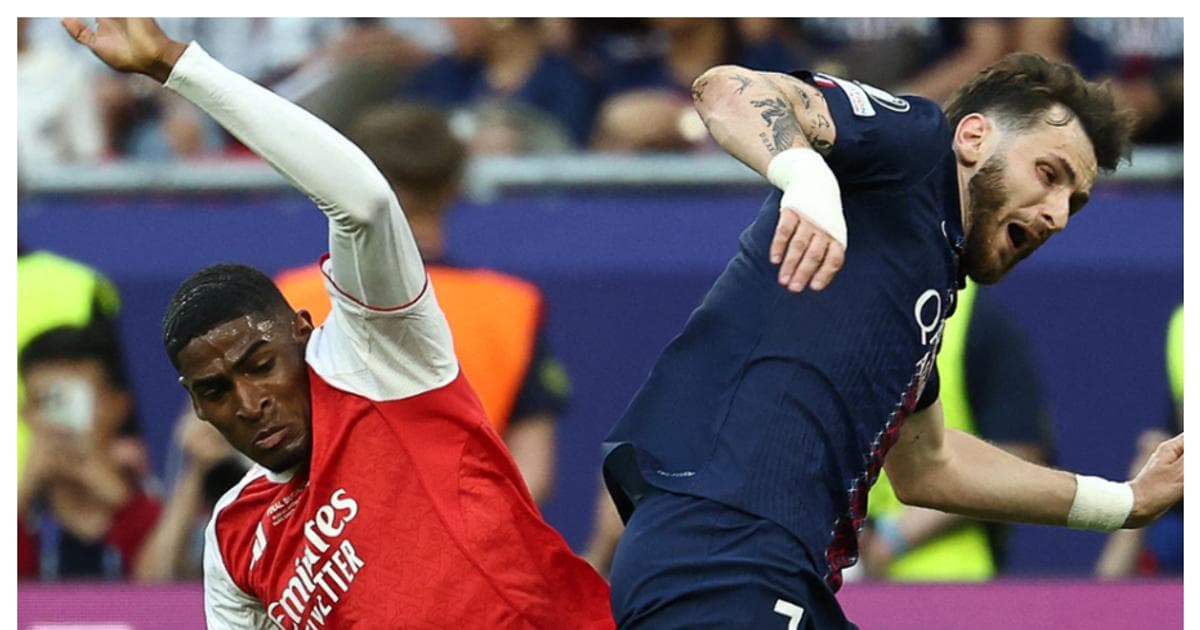
Arsenal defender Cristhian Mosquera conceded a crucial second-half penalty in the Champions League final against PSG on May 30, 2026, but escaped further punishment due to a specific rule governing stepped-down sanctions in football.
Paris Saint-Germain defeated Arsenal on penalties in the Champions League final in Budapest on May 30, 2026, claiming their second consecutive UCL title. One of the defining moments of the match was a penalty conceded by Arsenal defender Cristhian Mosquera, which drew immediate scrutiny over whether the player should also have received a second yellow card.
The incident unfolded when Khvicha Kvaratskhelia received the ball on the edge of the area via a quick one-two combination, accelerated past Mosquera, and was brought down from behind by the Arsenal centre-back as he entered the penalty area. Referee Daniel Siebert pointed to the spot without hesitation, and VAR confirmed the decision shortly after. Mosquera had already been booked in the 47th minute for time-wasting, meaning a second yellow — and subsequent red — was a possibility that many supporters and pundits raised in the aftermath.
However, according to football rules expert and BBC journalist Dale Johnson, the laws of the game are unambiguous in this type of situation. “Cristhian Mosquera could not receive a second yellow card,” Johnson stated. “It would be deemed stopping a promising attack (SPA) and a challenge for the ball. No card on a penalty. It’s like the DOGSO red card being a yellow in the same situation. Both have a stepped-down sanction.”
The principle Johnson referenced is rooted in the Laws of the Game as maintained by the International Football Association Board (IFAB). When a foul denying a goal-scoring opportunity — commonly referred to as DOGSO (Denying an Obvious Goal-Scoring Opportunity) — occurs inside the penalty area and results in a penalty kick being awarded, the sanction is reduced from a red card to a yellow card, on the basis that the attacking team retains the opportunity to score. The same logic applies to fouls that stop a promising attack: because the penalty preserves the attack rather than terminating it, no additional card is issued beyond what the foul itself would ordinarily warrant.
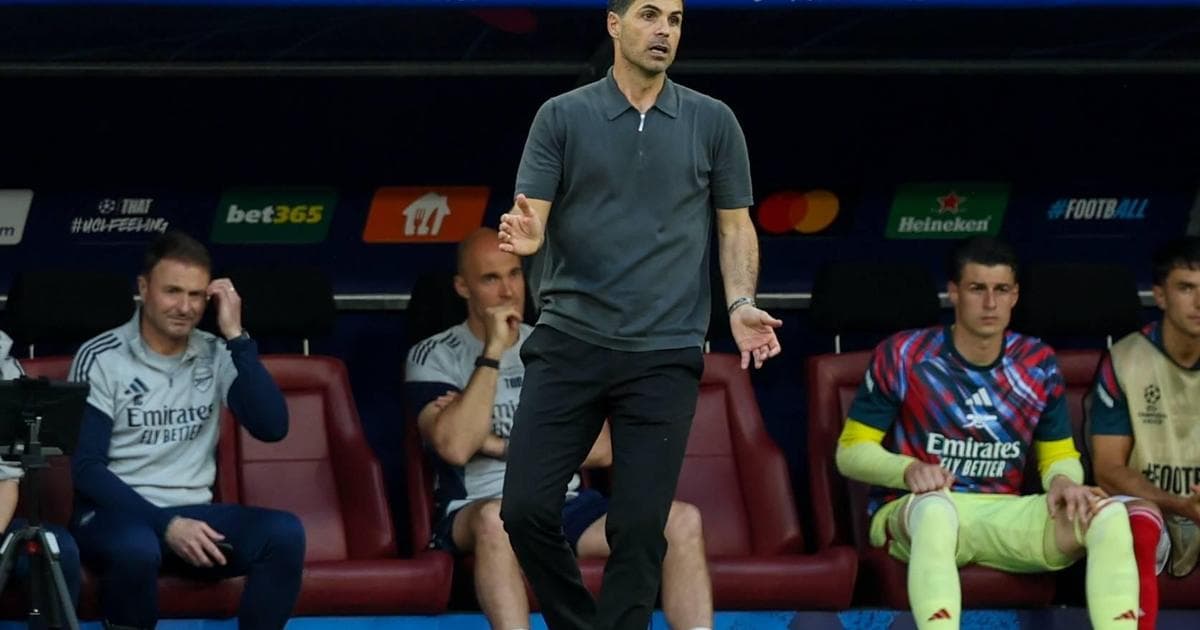
In Mosquera’s case, the SPA-related caution was effectively absorbed by the awarding of the penalty, meaning the referee had no grounds under the laws to issue a second yellow. Manager Mikel Arteta, evidently aware of the risk Mosquera still posed to Arsenal’s defensive structure should he remain on the pitch, substituted the defender immediately after the incident — removing him before any further potential for a dismissal could arise.
The penalty was converted by PSG, and Arsenal ultimately fell short in the shootout that followed at the end of the match. It was a particularly painful conclusion for the Gunners, who had reached their first Champions League final in decades only to exit without the trophy. Arsenal’s Gabriel missed a decisive penalty during the shootout, compounding the sense of what-might-have-been for Arteta’s squad.
For PSG, the victory extended their dominance in European competition, securing back-to-back Champions League titles. The Budapest final will also be remembered for the layers of controversy surrounding key refereeing decisions, even if those decisions, as Johnson clarified, were consistent with the rules as written. For neutrals and Arsenal supporters alike, the Mosquera moment remains one of the most debated flashpoints of the 2025-26 European campaign.
FootballFootball · Jun 30
 Football
 · Jun 30
 Football
 · Jun 30
 Football
 · Jun 30