 Football
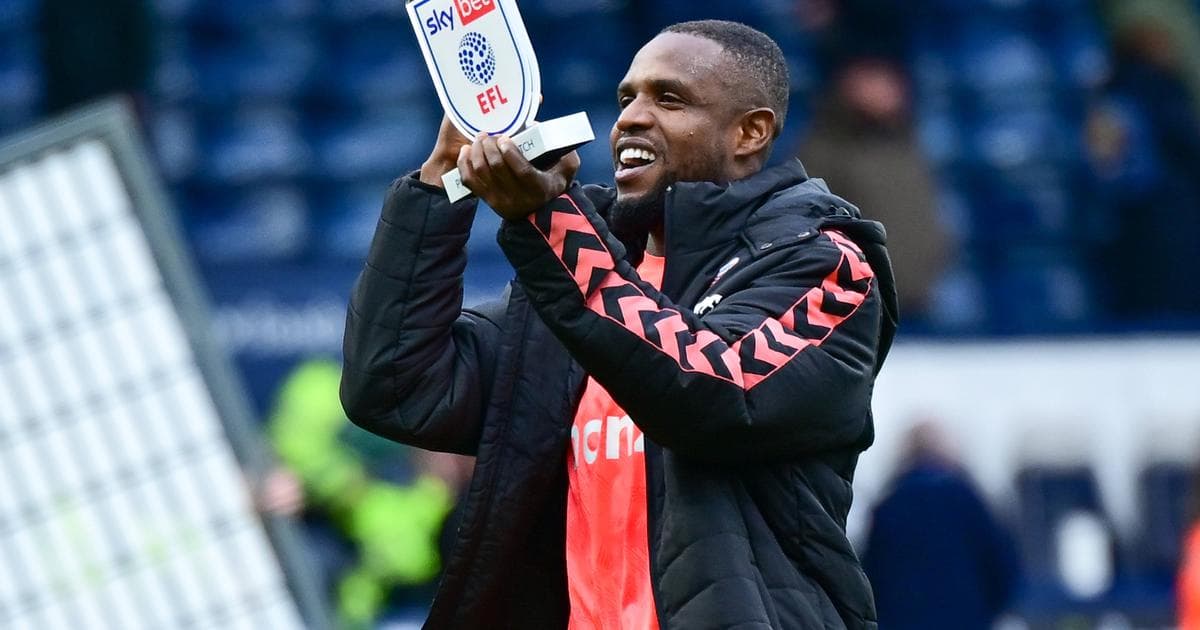
Frank Onyeka Signs Permanent Coventry City Deal After Helping Club Win Championship Title and Promotion
Football · Jun 30

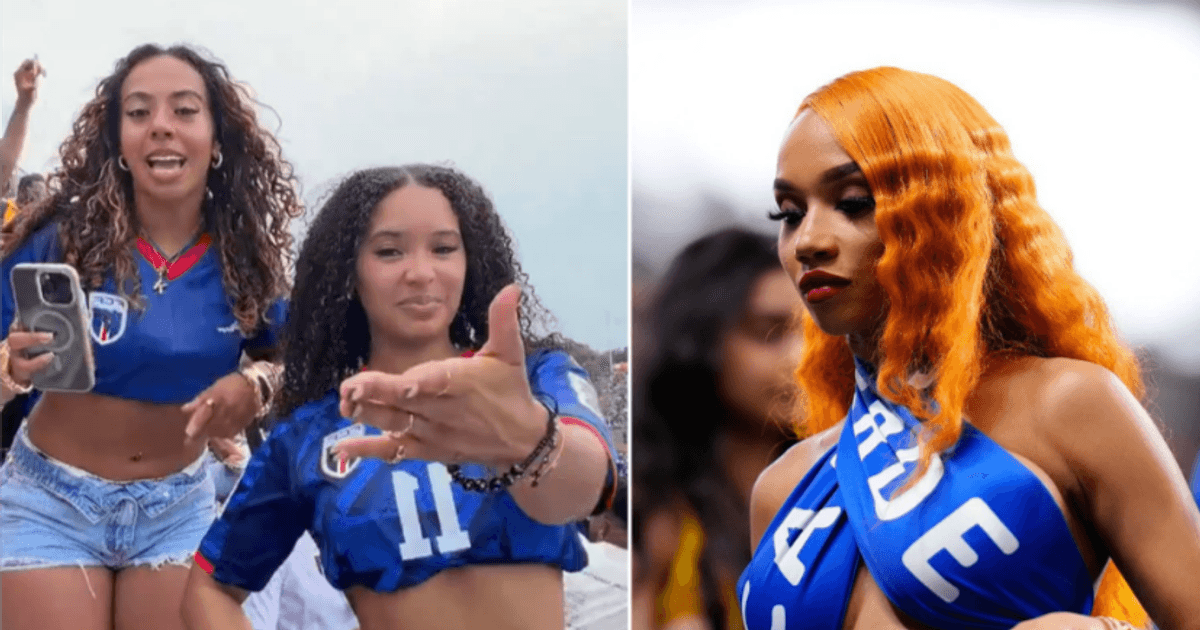
A goalless draw that stunned the football world has been eclipsed on social media by a wave of posts reducing Cabo Verdean female supporters to their appearance, sparking significant online backlash.
Cape Verde’s remarkable 0-0 draw against Spain at the 2026 FIFA World Cup was always going to be a landmark moment in the island nation’s sporting history. What few anticipated was that the conversation surrounding the result would shift so dramatically away from the football itself.
Played at Atlanta’s Mercedes-Benz Stadium on Monday, June 15, the Group H fixture saw the tournament debutants frustrate one of the competition’s favourites. Spain dominated possession at 62 percent and registered 23 shots, yet failed to find a way past 40-year-old goalkeeper Vozinha, who produced a stunning eight-save performance to earn Cape Verde a point that reverberated across world football.
The result represented one of the most significant achievements in Cape Verdean football history — a nation of just over half a million people holding a Spanish side widely regarded as a title contender. For supporters of the African archipelago, it was a moment of immense national pride.
However, as match footage and images circulated across social media platforms, a sizeable portion of online discourse pivoted away from the sporting achievement. Posts focusing on the appearance of female Cape Verdean supporters in the stands began accumulating hundreds of thousands of views. One widely shared post read: “Visit Cape Verde before you get married.”
Similar content followed, with other posts describing Cabo Verdean women as among the country’s primary attractions. The volume and nature of these posts eventually prompted significant pushback from other users.
One tweet that drew widespread engagement stated: “the over sexualization of cape verdean women is #weird.” The same user subsequently responded to further posts on the subject, writing: “like what the f** does this mean? u guys act like f**ing animals.”
The reaction opened a broader debate about a recurring pattern observed at major international sporting events, where women from certain nations become subjects of objectifying commentary during moments of their country’s heightened global visibility. Some users argued that admiring a country’s supporters was not inherently problematic, while others maintained that the sheer scale and tone of the posts had crossed into reductive territory, effectively displacing coverage of Cape Verde’s footballing achievement.
The episode is not without precedent. Similar debates have emerged at previous World Cups and continental tournaments, particularly when nations from Africa, South America, and the Caribbean qualify for or advance in major competitions, drawing international attention to their fan bases.
For the Cape Verdean squad itself, focus remains on converting their opening-game momentum into further results. A point against Spain is a strong platform, but progression from the group stage will require continued performances of the highest order. Vozinha, who at 40 became a central figure in one of the tournament’s early defining moments, has since spoken publicly about the emotional weight of the occasion.
The 2026 FIFA World Cup, co-hosted by the United States, Canada, and Mexico, features an expanded 48-team format, giving nations like Cape Verde their first-ever taste of the tournament’s global stage. Their debut has been notable on multiple fronts — though not all of those fronts have been connected to football.
FootballFootball · Jun 30
 Football
 · Jun 30
 Football
 · Jun 30
 Football
 · Jun 30