 Football
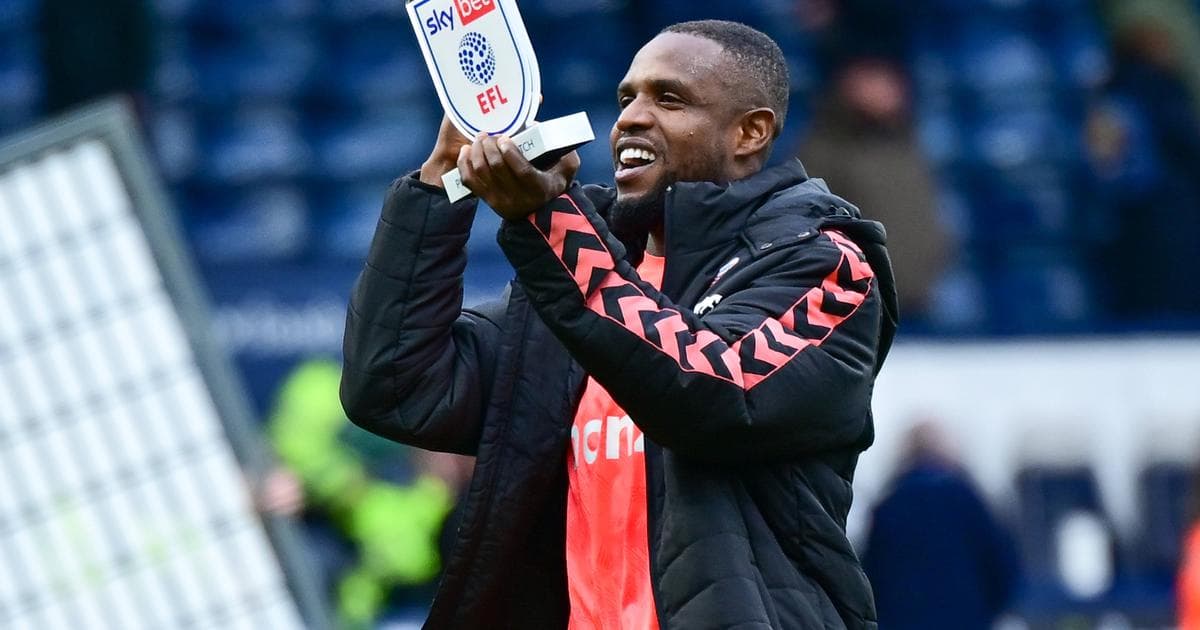
Frank Onyeka Signs Permanent Coventry City Deal After Helping Club Win Championship Title and Promotion
Football · Jun 30


From Champions League winners to World Cup finalists, a generation of players with Nigerian roots committed their international futures to other countries — raising persistent questions about what could have been for the Super Eagles.
Nigeria’s standing as one of Africa’s premier football nations is well established, built on a lineage of elite talent stretching from Jay-Jay Okocha and Nwankwo Kanu through to contemporary stars Victor Osimhen and Ademola Lookman. Yet running parallel to that legacy is a recurring conversation about the significant number of world-class footballers with Nigerian roots who have represented other countries at international level.
Many of these players were born abroad to Nigerian parents or came through European development systems before committing to other nations. Several have gone on to win Champions League titles, reach major tournament finals, and become defining figures for top footballing nations. Had even a handful represented the Super Eagles, Nigeria’s standing in global football — and their record at FIFA World Cups — could look considerably different.
Arsenal winger Bukayo Saka is among the most prominent examples. Born in London to Nigerian parents, Saka progressed through Arsenal’s academy before establishing himself as one of England’s most important players. He has scored 12 goals for England across all competitions, has featured in European Championship finals, and is expected to play a leading role for the Three Lions at the 2026 World Cup.
Bayern Munich’s Jamal Musiala presents a similarly striking case. Born to a Nigerian father and a German mother, Musiala initially represented England at youth level before committing to Germany as a senior international. He has since become a central figure for both club and country, offering the kind of midfield creativity that has historically been difficult for Nigeria to consistently produce at major tournaments.
Michael Olise, born in England to a Nigerian father and a French-Algerian mother, is another attacking talent who ultimately pledged his international future to France. His technical sophistication and creativity at club level have drawn considerable attention across Europe, and his profile would have complemented the direct qualities of players like Osimhen and Lookman in Nigeria’s attack.
The most decorated name among this group is arguably David Alaba. The Austrian captain — whose father is Nigerian — built one of the most distinguished careers of his generation with Bayern Munich and Real Madrid, winning multiple Champions League trophies and demonstrating versatility across defensive and midfield roles. His leadership qualities and elite-level experience would have represented an enormous asset to any national team.
Eberechi Eze, who progressed from the lower tiers of English football to Premier League prominence, possesses the dribbling ability, composure, and attacking creativity that Nigeria’s midfield has long sought at international level. The Super Eagles have historically struggled to find a consistent creative midfielder capable of controlling games against elite opposition — a gap Eze’s profile could have addressed.
Defensively, Manuel Akanji — born in Switzerland to a Nigerian father — offers a profile that could have strengthened one of Nigeria’s more persistent vulnerabilities at major tournaments. Currently at Manchester City, Akanji has accumulated extensive Champions League experience and is regarded as technically assured, composed under pressure, and tactically disciplined.
Destiny Udogie, of Nigerian descent and born in Italy, received his first senior call-up for the Azzurri in 2023, adding his name to a growing list of players who came through Italian football structures before committing to the national team rather than pursuing eligibility with Nigeria.
The pattern these players represent is not unique to Nigeria — several African nations have faced comparable situations regarding diaspora-born talent — but given Nigeria’s population, the scale of its football infrastructure, and the volume of players regularly produced, the accumulation of lost eligibility cases carries particular weight in discussions about the Super Eagles’ ceiling at global tournaments.
Nigeria have historically been eliminated at the Round of 16 stage at World Cups, and the question of what a squad augmented by even a portion of these players might have achieved continues to shape conversations around Nigerian football administration and its approach to identifying and retaining diaspora talent.
FootballFootball · Jun 30
 Football
 · Jun 30
 Football
 · Jun 30
 Football
 · Jun 30