 Football
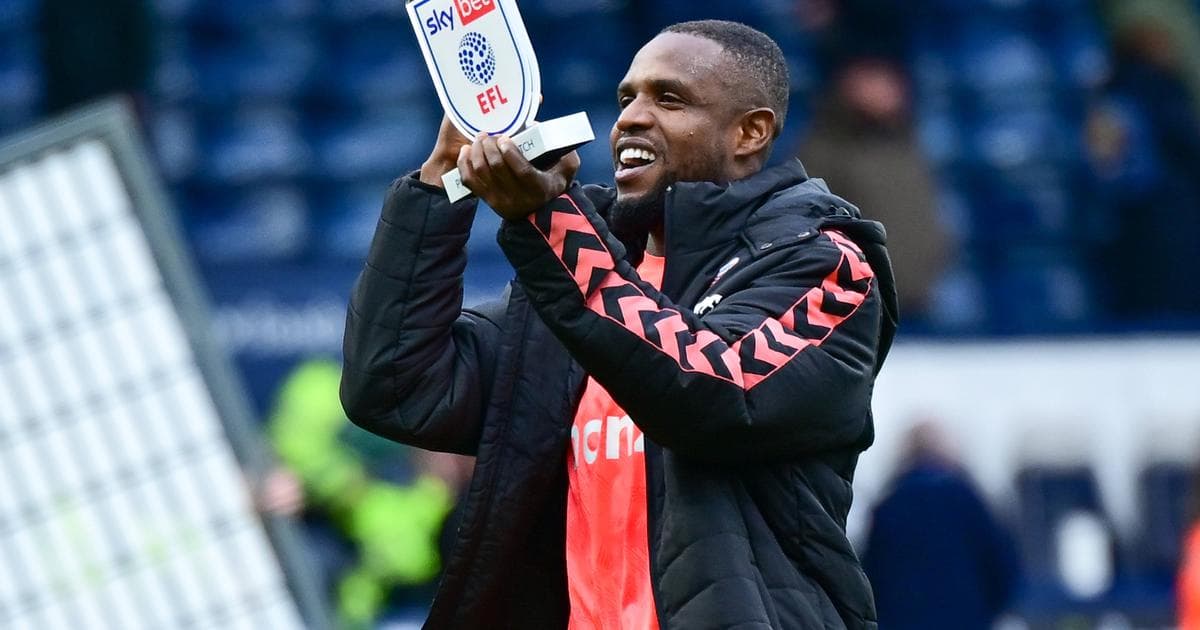
Frank Onyeka Signs Permanent Coventry City Deal After Helping Club Win Championship Title and Promotion
Football · Jun 30


Cape Verde head coach Bubista says his side’s debut World Cup campaign carries meaning far beyond their island nation, calling on their historic Spain draw to inspire a generation of African dreamers.
Cape Verde manager Bubista has framed his side’s maiden FIFA World Cup appearance as a moment of continental significance, stating that the Blue Sharks carry the aspirations of an entire continent as they compete in the 2026 tournament.
“We not only represent Cape Verde, we also represent Africa, with all the problems we have within our continent,” Bubista told reporters ahead of the team’s next fixture. “A country like ours being able to achieve this dream and be here competing with the best teams in the world means that any child in Africa … can have this dream. The objective is that this dream can help them believe they can reach any goal.”
Cape Verde’s debut on the global stage began with a result that reverberated well beyond the stadium. In their opening Group H fixture, the Blue Sharks held reigning European champions Spain to a 0-0 draw — a defensive performance that announced the tournament newcomers as a side not to be underestimated. For a nation of fewer than 600,000 people competing in their first-ever World Cup, the result was immediately celebrated as one of the tournament’s standout early moments.
Central to that performance was veteran goalkeeper Vozinha, who was awarded Player of the Match honours after producing a commanding display between the posts. The 40-year-old’s post-match emotion, however, extended beyond football. His tears following the final whistle were tied to the absence of his mother, who had been unable to travel to the United States due to visa complications. The story drew widespread attention and prompted a swift diplomatic response from US authorities, with Vozinha’s mother confirmed to have arrived safely in Miami on Friday.
With family support now expected to be present in the stands, Bubista indicated that his squad would approach their remaining Group H matches with greater offensive intent. Cape Verde are scheduled to face Uruguay and Saudi Arabia in their upcoming fixtures, and the coach confirmed the team plans to play more expansively than the disciplined, defensive structure deployed against Spain.
Cape Verde’s progression to the 2026 World Cup is itself historic. The archipelago nation, competing under the Portuguese Football Federation of Cape Verde, qualified for their first-ever World Cup after navigating the CAF qualification rounds — a feat that underscored the expanding depth of African football on the global stage. Their draw against Spain, a nation that won the 2024 UEFA European Championship, has only amplified the sense of occasion surrounding the squad.
The broader African narrative at the 2026 tournament has been mixed. According to reports, Tunisia became the first African side to be eliminated from the competition, while Ivory Coast suffered a defeat to Germany. Against that backdrop, Cape Verde’s opening result stands as one of the continent’s brightest early highlights.
Bubista’s comments reflect a wider conversation about representation, opportunity, and the barriers faced by smaller footballing nations from the African continent. Whether Cape Verde can build on their Spain result and advance beyond the group stage remains to be seen, but their presence alone has already shifted perceptions of what is achievable for the continent’s smaller footballing nations.
FootballFootball · Jun 30
 Football
 · Jun 30
 Football
 · Jun 30
 Football
 · Jun 30