 Football
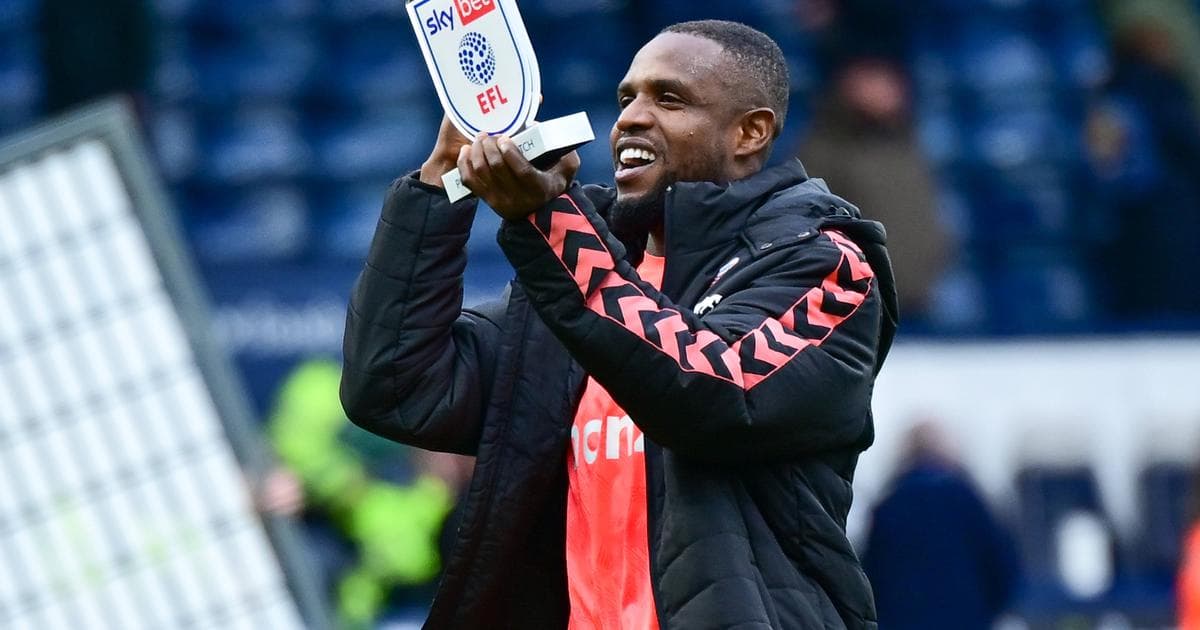
Frank Onyeka Signs Permanent Coventry City Deal After Helping Club Win Championship Title and Promotion
Football · Jun 30

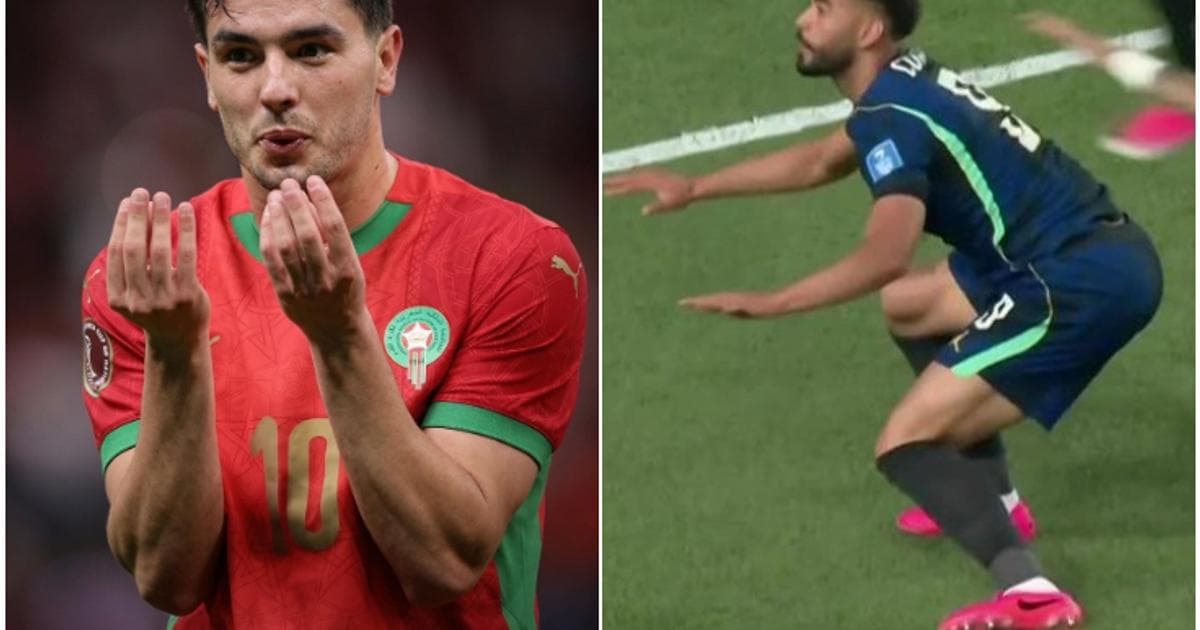
Real Madrid’s Brahim Díaz became the first African player in World Cup history to register assists in consecutive matches during his first two tournament appearances, as Morocco and Brazil share the summit of Group C with four points each at the 2026 FIFA World Cup.
Morocco’s Brahim Díaz has etched his name into the record books at the 2026 FIFA World Cup, achieving a milestone that has eluded every African player in the tournament’s history. The Real Madrid midfielder became the first African player to provide assists in consecutive World Cup matches across his first two career appearances at the competition — a feat that surpassed the records of celebrated African footballers including Nigeria’s Emmanuel Emenike, Ghana’s Asamoah Gyan, and Tunisia’s Wahbi Khazri, none of whom managed the same feat across their opening two World Cup outings.
Díaz’s latest contribution came in Morocco‘s Group C fixture against Scotland at Boston Stadium on June 19, 2026. His perfectly weighted ball over the defence set Ismael Saibari free to fire into the roof of the net just 71 seconds into the match — the fastest goal recorded at the tournament at that stage of the competition. The goal helped Morocco dismantle Scotland’s structure from the opening moments and underscored Díaz’s growing influence on the Atlas Lions’ campaign.
The 71-second strike drew immediate reaction across social media, with one widely circulated post capturing the mood: “Brahim Díaz been playing like a man who hasn’t slept since that AFCON heartbreak. The guy just became the first African player in history to drop assists in his first two career World Cup games. He cut Brazil open and dismantled Scotland in under 71 seconds. He is completely possessed right now. World class response!”
Morocco’s performance in Group C has been one of the defining storylines of the early tournament. Their opening match had already produced a draw against Brazil — a result that announced their credentials to a global audience — and the Scotland victory consolidated their position at the top of the group. With four points from two matches, Morocco and Brazil are level at the summit heading into the final round of group fixtures.
In Group C’s other fixture on June 20, 2026, Brazil returned to form with a 3-0 victory over Haiti in Philadelphia. Matheus Cunha broke the deadlock in the 23rd minute before adding a second in the 36th, a left-footed strike into the top corner. The forward’s celebrations drew widespread attention, with Cunha performing his signature surfing dance on the pitch after each goal. Vinícius Junior added a third before half-time, ensuring Haiti’s elimination from the tournament.
However, the mood in Brazil’s camp was tempered by a significant injury concern. Barcelona winger Raphinha sustained a hamstring injury during the first half against Haiti, leaving the pitch visibly distressed. The extent of the injury and its implications for Carlo Ancelotti’s tactical setup remain to be confirmed, but it represents a potentially serious setback for the five-time world champions as they approach the knockout stages.
Brazil had entered the tournament as favourites to win Group C, with Haiti widely regarded as the weakest side in the pool. Their earlier draw against Morocco had already complicated that projection, and the Raphinha injury adds further uncertainty to their preparations. The two sides — Brazil and Morocco — now face each other in what is set to be a decisive group stage finale, with both teams locked on four points.
The broader context of Morocco’s campaign carries additional weight. The Atlas Lions reached the semi-finals of the 2022 FIFA World Cup in Qatar, becoming the first African nation to reach that stage of the competition. Their 2026 campaign, anchored by Díaz’s creative output, suggests they are again capable of a deep run. Díaz, who previously represented Spain at youth level before switching international allegiance to Morocco, has now established himself as one of the most impactful players of the tournament’s opening phase.
FootballFootball · Jun 30
 Football
 · Jun 30
 Football
 · Jun 30
 Football
 · Jun 30