 Football
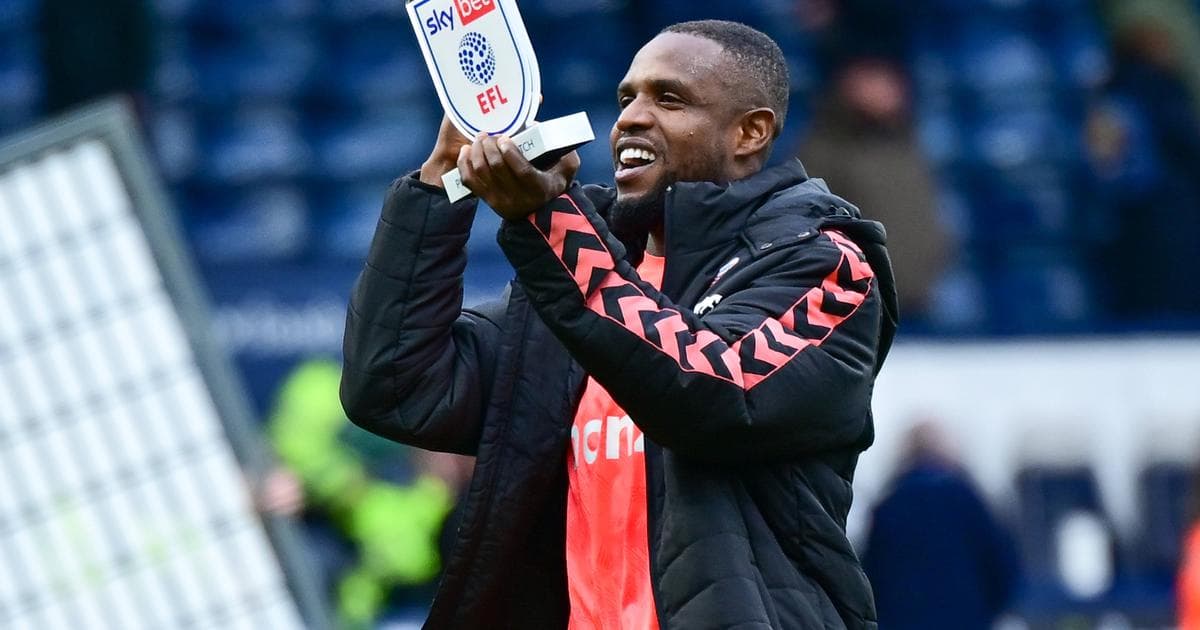
Frank Onyeka Signs Permanent Coventry City Deal After Helping Club Win Championship Title and Promotion
Football · Jun 30

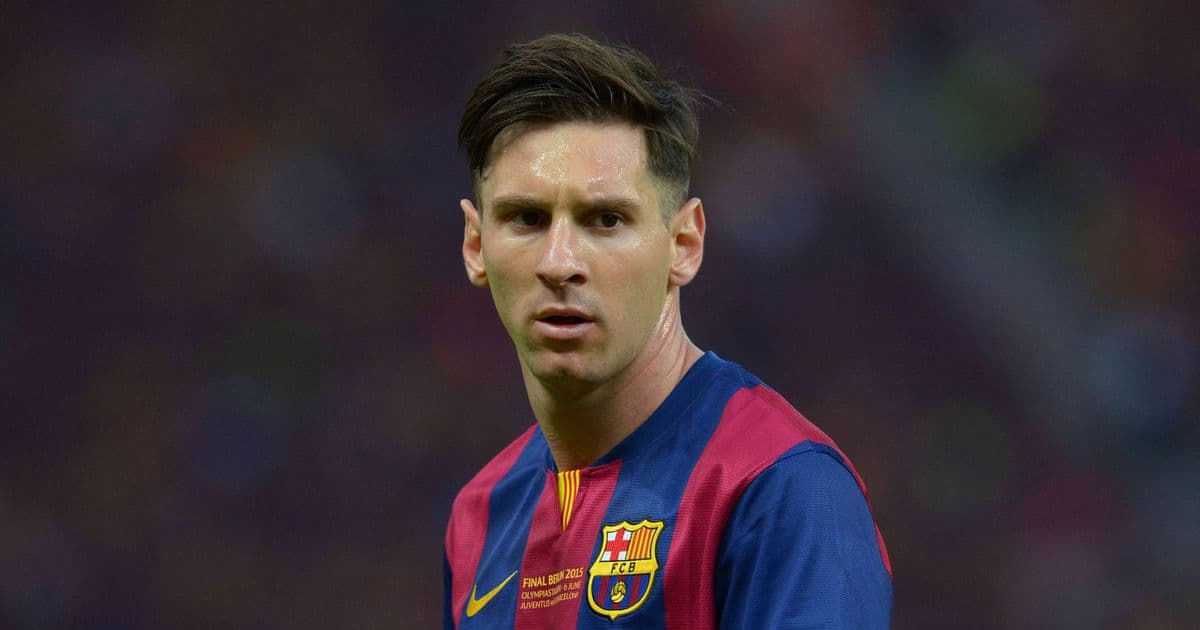
Former Barcelona president Josep Maria Bartomeu has disclosed that a state-backed club prepared €400 million to trigger Lionel Messi’s release clause in 2017, prompting a contract renegotiation that ultimately contributed to the club’s financial collapse.
Josep Maria Bartomeu, the former president of FC Barcelona, has shed light on a little-known episode from 2017 that he says set the club on a path toward financial ruin — a credible €400 million offer for Lionel Messi that never materialised but triggered a chain of decisions with catastrophic long-term consequences.
Speaking in a recent interview, Bartomeu revealed that within weeks of Paris Saint-Germain triggering Neymar’s then-world-record €222 million release clause in August 2017, Barcelona received credible intelligence that a separate club was preparing to activate Messi’s €400 million buyout clause. “A few weeks after Neymar’s departure, rumours began to circulate that a club was preparing €400 million for Messi — the amount of his release clause,” Bartomeu said.
The former club executive declined to identify the interested party, but explicitly ruled out Manchester City — a club with a well-documented and long-running interest in the Argentine — as the suitor. Instead, Bartomeu pointed toward state-backed wealth, stating that substantial funds from an “Arab country” had already been transferred into European accounts, lending the threat a level of credibility that demanded an immediate response.
Barcelona’s administration moved swiftly. In November 2017, the club renegotiated Messi’s contract, raising his release clause from €400 million to €700 million while also significantly increasing his wages. The intent was to make any potential acquisition financially prohibitive and to demonstrate to Messi that the club was committed to retaining him at all costs.
However, Bartomeu acknowledged in hindsight that accepting a €400 million sale at that point might have fundamentally altered the club’s financial trajectory. Instead of capitalising on what would have been a record-breaking transfer fee, Barcelona compounded their wage obligations at a time when their salary structure was already under strain.
The consequences proved severe. The inflated wage bill became a central factor in what La Liga later described as Barcelona’s financially unsustainable model. The toxic economic environment that developed under Bartomeu’s tenure directly preceded Messi’s attempt to leave the club via burofax in August 2020 — a moment that shocked world football and signalled the irreversible breakdown of his relationship with the institution.
The situation reached its painful conclusion in August 2021. Despite Messi’s willingness to remain, Barcelona were unable to register him under La Liga’s financial fair play regulations due to the scale of debt accumulated during the Bartomeu era. The club that had spent over €400 million attempting to keep their greatest player found itself unable to afford him on a free transfer, and Messi departed for PSG without a fee changing hands.
The episode remains one of the most consequential financial decisions in modern football history. Barcelona’s subsequent years have been marked by efforts to recover through mechanisms such as the club’s so-called “economic levers” — the sale of future broadcast rights and stadium assets — as they attempt to rebuild under president Joan Laporta. Messi, meanwhile, left PSG in 2023 and joined Inter Miami in Major League Soccer, where he has continued playing into 2026.
Bartomeu himself resigned in October 2020 amid a vote of no confidence, with the club’s financial situation and his handling of the Messi relationship central to the breakdown of his presidency. His latest disclosures add further context to a period that reshaped not only Barcelona but the broader economics of elite football.
FootballFootball · Jun 30
 Football
 · Jun 30
 Football
 · Jun 30
 Football
 · Jun 30