 Football
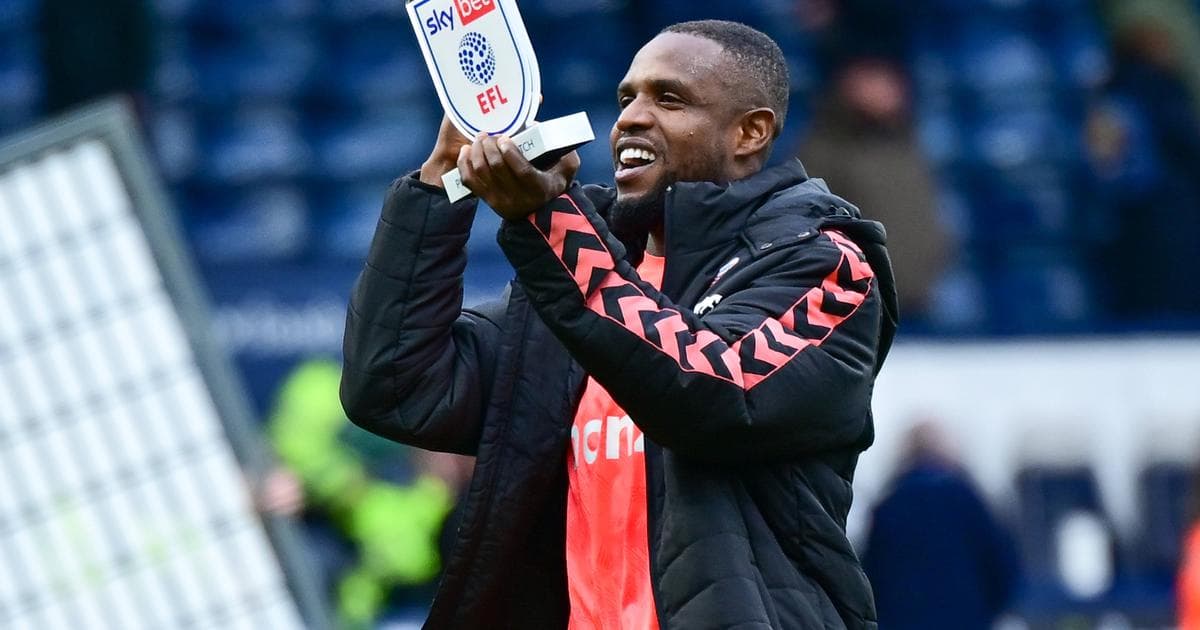
Frank Onyeka Signs Permanent Coventry City Deal After Helping Club Win Championship Title and Promotion
Football · Jun 30

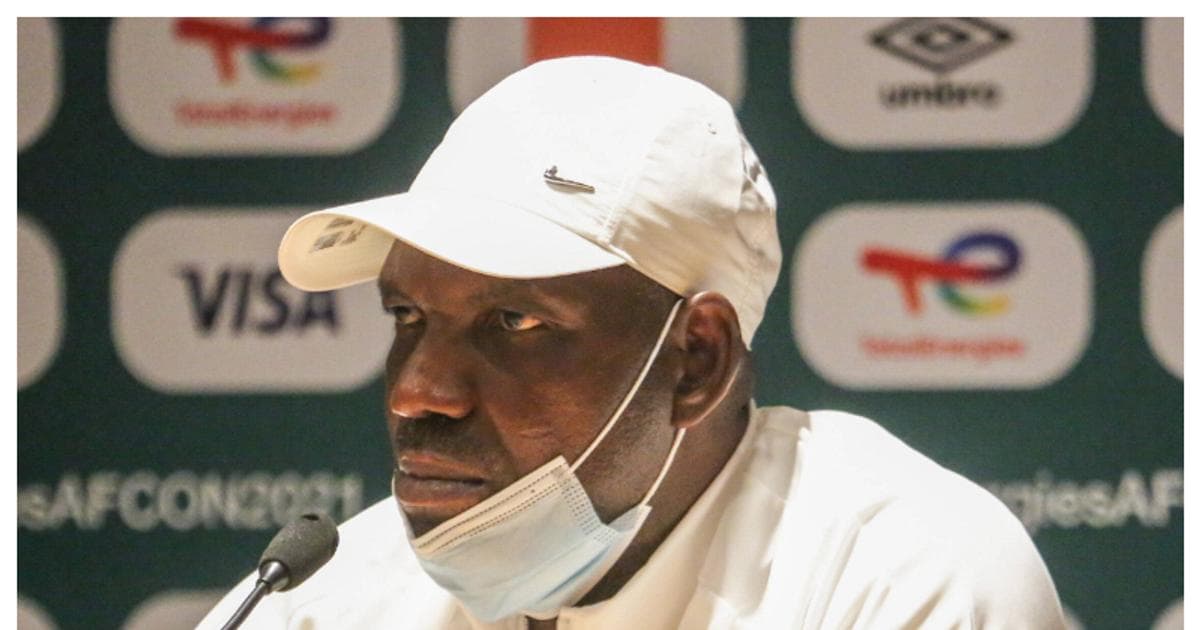
Former Super Eagles head coach Augustine Eguavoen says Africa’s growing presence in Europe’s top club competitions has significantly narrowed the gap between African nations and traditional World Cup powerhouses. His comments come as several African sides recorded strong results in the early stages of the 2026 FIFA World Cup.
Augustine Eguavoen, the former Nigeria national team coach who represented the Super Eagles at two FIFA World Cups as a player, has stated his belief that African nations are now genuine contenders to lift the 2026 FIFA World Cup trophy.
Speaking to Flashscore, Eguavoen pointed to a shift in the competitive balance of international football as the basis for his assessment. “If you look back three or four World Cups, you could confidently predict that Brazil, Argentina, Spain, or Germany would win, but that’s no longer the case,” he said. “We’re closing the gap, so I believe Africa has a real chance. The great thing is that FIFA has made this tournament very open. If you perform well, you can win.”
Eguavoen’s remarks are supported by results from the group stage, where several African nations have performed competitively against established footballing powers. Morocco, Cape Verde, Egypt, and DR Congo all earned draws against Brazil, Spain, Belgium, and Portugal respectively, while Ivory Coast and Ghana claimed victories over Ecuador and Panama.
Morocco, in particular, have backed up those encouraging results with a tangible outcome on the table. The Atlas Lions defeated Scotland 1-0 to secure their first victory of the tournament, moving to four points in Group C. They will face Haiti in their final group stage fixture, with a place in the knockout rounds within reach.
The former Nigeria coach also identified the concentration of African talent in Europe’s elite club competitions as a structural reason behind the continent’s improving performances on the international stage. “When I talk about our players, I mean African players in general,” Eguavoen explained. “The majority are now playing in Europe’s top leagues alongside some of the world’s best footballers at the biggest clubs. They come together for their national teams already knowing each other’s abilities and what to expect.”
The argument carries weight when viewed in the context of recent trends. African players have become increasingly prominent in the UEFA Champions League, Premier League, La Liga, and Serie A, with figures such as Morocco’s Achraf Hakimi, Ivory Coast’s Sébastien Haller, and Egypt’s Mohamed Salah among those regularly competing at the highest club level in Europe.
Africa has been represented at the 2026 World Cup by six nations following FIFA’s expanded 48-team format, which increased the continent’s allocation from five to six slots. The expanded tournament, co-hosted by the United States, Canada, and Mexico, provides African sides with additional group stage matches and a broader path to the knockout rounds compared to previous editions.
Historically, no African nation has advanced beyond the semi-finals of a FIFA World Cup. Cameroon in 1990, Senegal in 2002, Ghana in 2010, and Morocco in 2022 each reached the quarter-final stage, with Morocco’s run in Qatar representing the continent’s deepest progression to date. Whether the 2026 edition produces a further milestone remains to be seen, but Eguavoen’s assessment reflects a wider sentiment that the gap in quality between Africa and the traditional elite has measurably closed.
FootballFootball · Jun 30
 Football
 · Jun 30
 Football
 · Jun 30
 Football
 · Jun 30