 Football
Frank Onyeka Signs Permanent Coventry City Deal After Helping Club Win Championship Title and Promotion
Football · Jun 30

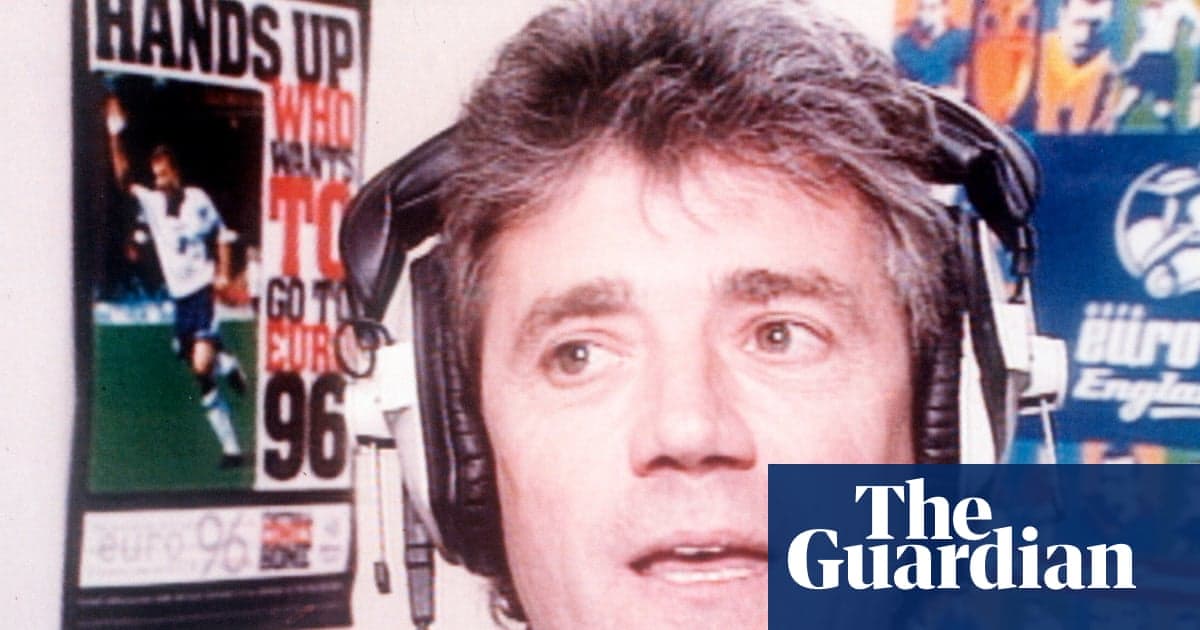
On 29 April 1996, Newcastle United manager Kevin Keegan delivered one of the most memorable live television moments in Premier League history, responding to Sir Alex Ferguson’s psychological tactics during a tense title race that Manchester United ultimately won.
Three decades have passed since one of the most enduring moments in English football history unfolded on live television. On 29 April 1996, following Newcastle United’s 1-0 victory at Leeds — secured by a Keith Gillespie goal — manager Kevin Keegan sat down for a post-match interview with Sky Sports presenters Richard Keys and Andy Gray. What followed was four minutes of television that has never been forgotten.
At the time of the Elland Road fixture, Newcastle sat three points behind league leaders Manchester United with two games remaining. Keegan’s side, nicknamed the “Entertainers”, had held a 12-point lead at the top of the table as recently as January, making their position all the more precarious as the season drew to a close.
The context for Keegan’s on-air outburst had been carefully constructed in the days prior. Sir Alex Ferguson had suggested that Leeds and Nottingham Forest — Newcastle’s next opponents — would not apply the same effort against Keegan’s side as they had against United. Ferguson had also drawn attention to the fact that Newcastle had agreed to face Stuart Pearce’s testimonial side at the City Ground later in the year. The remarks, made on 17 April following United’s 1-0 win over Leeds at Old Trafford, had also included Ferguson questioning why Leeds were not in the top six, saying: “To me they’re cheating their manager. You wait and see the difference when they play Newcastle.”
The interview began calmly enough before Keys asked whether “tension” had been responsible for Newcastle’s slow start in West Yorkshire. Keegan did not deflect the question. “I don’t think you can discount it,” he said. “A lot of things have been said over the past few days, some of it almost slanderous.”
From that point, the temperature rose visibly. With his finger jabbing toward the camera, Keegan continued: “I’ve kept really quiet but I’ll tell you something, he went down in my estimation when he said that. We have not resorted to that. You can tell him now, we’re still fighting for this title and he’s got to go to Middlesbrough and get something. And I’ll tell you, honestly, I will love it if we beat them. Love it.”
The broadcast moment very nearly did not happen. According to The Guardian, touchline reporter Geoff Shreeves discovered a strong, unpleasant odour in the small broadcast hut designated for Keegan’s interview. When requests for air freshener from Elland Road staff went unanswered, a Leeds player reportedly provided a can of deodorant, allowing the interview to proceed.
Meanwhile, Newcastle’s players had already boarded their coach to leave the ground, unaware of what was unfolding. A phone call from a player’s girlfriend alerted those on board to the developing situation, and attention quickly turned to the television screens.
The title race resolved itself in the subsequent days without Newcastle. Nottingham Forest held Keegan’s side to a 1-1 draw, and Manchester United won 3-0 at Middlesbrough. Newcastle then drew their final match of the season 1-1 against Tottenham, handing the Premier League trophy to Old Trafford. Ferguson’s psychological strategy was widely credited as a decisive factor, with his use of managerial mind games drawing as much post-season analysis as Eric Cantona’s performances on the pitch.
Keegan, now 75 and returning to public life following a demanding period of cancer treatment, has long disputed the mind games narrative. Speaking to the Irish Examiner on the 20th anniversary of the incident, he said: “It was nothing to do with mind games. It was just that Sir Alex Ferguson, I think, sometimes struggled to give teams credit and always looked for excuses. What he said was wrong, that teams like Leeds wouldn’t try as hard against us as they did against Manchester United. And that hit on something deeper: it was almost saying that football’s not straight. So that was my anger, if you like, at Sir Alex.”
Keegan also addressed his broader view of Ferguson and Arsène Wenger in that interview. “I respect Sir Alex very much for what he’s done, but I think he and Arsène Wenger are the two least favourite managers of mine because they never give anyone else credit. If they lose the shirt was the wrong colour, or it’s the referee. To say: ‘We lost today because they were magnificent,’ I think you’ve got to do that sometimes.”
Suggestions that the outburst destabilised Newcastle’s squad have been consistently rejected by those who played in that 1995-96 campaign. Gillespie, who scored the winning goal that night at Elland Road, was unequivocal in his assessment: “I don’t think any of the players would say it put pressure on us. I loved the passion Kevin showed. To me, it was an absolutely brilliant reaction.”
In the years since, Keegan has reportedly grown familiar with strangers calling out “Love it” from passing vehicles — an informal measure of just how deeply the moment embedded itself in the culture of English football. Thirty years on, its place in Premier League history remains secure.
FootballFootball · Jun 30
 Football
 · Jun 30
 Football
 · Jun 30
 Football
 · Jun 30