 Tennis
Rick Macci: Serena Williams Is ‘In It To Win’ At Wimbledon 2026, Not To Silence Critics
Tennis · Jun 29

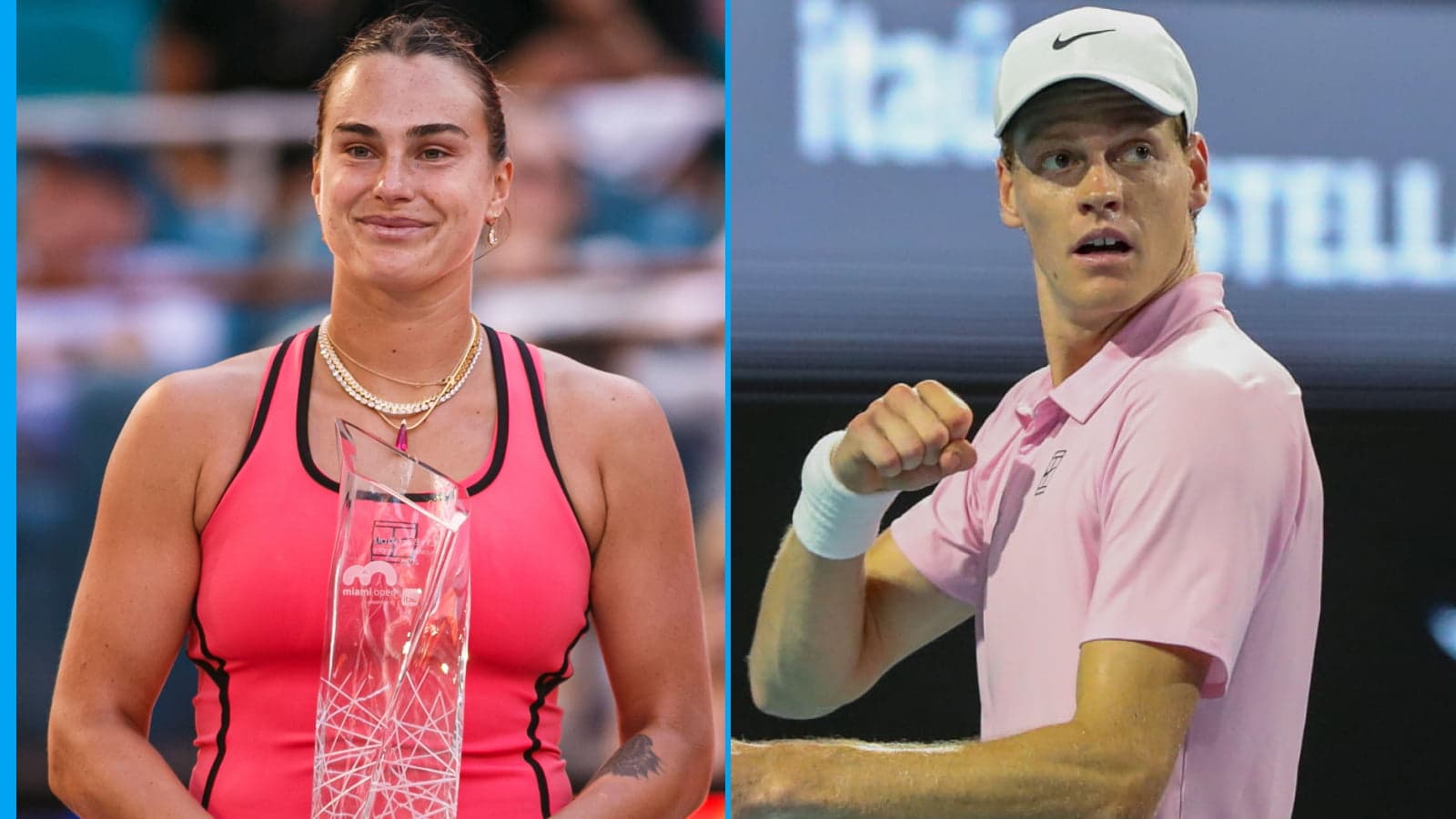
The world’s top-ranked tennis players have issued a collective challenge to French Open organisers over what they describe as an unfair share of revenue, with the dispute threatening to overshadow competition at Roland Garros.
A deepening dispute over prize money distribution has cast a shadow over the 2025 French Open, with leading players including Jannik Sinner, Aryna Sabalenka, and Taylor Fritz publicly challenging Roland Garros organisers over the percentage of tournament revenue allocated to competitors.
The friction follows a joint statement issued by top players earlier this month expressing dissatisfaction with their financial share at Grand Slam events. Despite a significant prize money increase at this year’s second Grand Slam, players maintain the allocation remains inequitable compared to what they receive on the ATP Tour, where competitors are entitled to 22 per cent of revenue. At Grand Slams, players claim that figure drops to approximately 15 per cent.
World No. 1 Taylor Fritz — currently ranked inside the top ten — addressed the media in Paris, framing the issue as one of principle rather than financial greed. “It’s not about wanting more money. It’s about just wanting what’s fair,” Fritz said. “We have been pretty patient and mild with, I’d say, our requests, and I think all of us feel it’s a bit disrespectful to just be ignored when the sport is the healthiest, when I think there is a very fair partnership and open dialogue between the players and the tournaments.”
Men’s world No. 1 Jannik Sinner, who had raised the matter at the Rome tournament earlier this month, reiterated his position upon arriving in Paris. “I think it’s something good because without us events are not possible to play,” Sinner said. “It’s about the respect. We have to wait for over a year for just a small response. It’s not nice.”
Women’s world No. 1 Aryna Sabalenka took her protest a step further, cutting short her Roland Garros press conference in a deliberate demonstration of solidarity with her fellow players. “I stand with my words,” the Belarusian said. “We wanted to do it in a respectful way at the beginning, and you guys know how much we respect you and we appreciate you. It’s not about you. It’s just we are trying to fight for a fair percentage.” She concluded the session by stating: “Now it’s time for national language. Thank you so much for being here, for asking questions.”
However, the dispute is complicated by a distinction between tournament turnover and tournament profits. Players are understood to be referencing Roland Garros’s annual turnover figure of €450 million when arguing for a larger percentage — a figure that does not account for the substantial costs of staging a 15-day event of this scale. When measured against profits rather than total revenue, players are reportedly receiving closer to 50 per cent through prize money allocations.
Organisers and tournament officials could point to significant recent investment in infrastructure as context for the expenditure levels players are questioning. The retractable roof installed on Court Philippe Chatrier represented a major financial undertaking, and player facilities at the Bois de Boulogne venue have also undergone considerable upgrades in recent years. A portion of Roland Garros revenue is also directed toward grassroots tennis development in France and broader investment across the sport at junior and amateur levels — funding streams that would be affected if the players’ share of the pie were to increase substantially.
The debate is unlikely to be resolved before Wimbledon, which begins at the end of next month. The All England Club’s prize money announcement is expected to reignite the conversation, with players and Grand Slam organisers still far from a consensus on what constitutes a fair revenue-sharing model. With all four majors operating independently of the ATP and WTA Tours in terms of financial governance, the structural gap in player compensation at Grand Slam level remains a systemic issue without an immediate resolution in sight.
TennisTennis · Jun 29
 Tennis
 · Jun 28
 Tennis
 · Jun 27
 Tennis
 · Jun 26