 Tennis
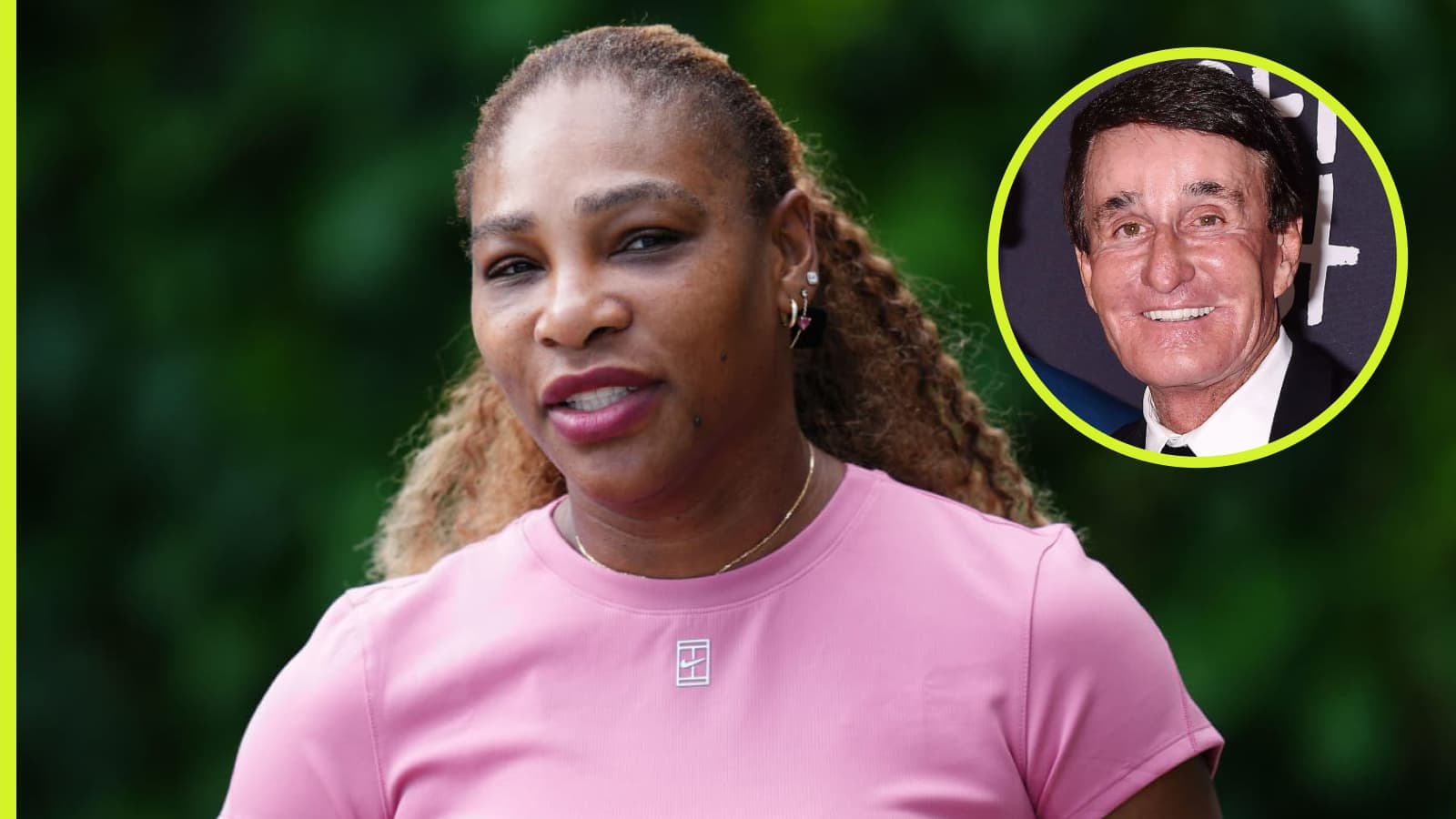
Rick Macci: Serena Williams Is ‘In It To Win’ At Wimbledon 2026, Not To Silence Critics
Tennis · Jun 29


Injury prevention specialist Stephen Smith has offered an encouraging assessment of Carlos Alcaraz’s wrist problem, while noting that the Spaniard’s decision to withdraw from the French Open reflects a broader shift in how elite tennis players manage their physical workload.
Carlos Alcaraz’s clay-court season came to an abrupt halt following a right wrist injury sustained during his first-round victory over Otto Virtanen at the Barcelona Open on 14 April. The world number three has not competed since, pulling out before his second-round match in Barcelona and subsequently withdrawing from the Madrid Masters, the Italian Open, and the French Open — a sequence of absences that prompted widespread concern about his condition.
Alcaraz himself acknowledged the severity of the setback, stating that the injury was “more serious than we all expected.” It has been reported that the issue involves an inflamed tendon sheath in the wrist, a distinction that carries significant clinical implications.
Stephen Smith, founder and CEO of Kitman Labs — described as the world’s leading sports science and performance intelligence company — provided an exclusive assessment to Tennis365, offering a measured but relatively optimistic reading of the injury type. “If it’s the tendon sheath, that’s generally indicative of the fact that it’s not a major issue,” Smith explained. “The sheath is basically the sleeve that surrounds it; that generally is indicative of a minor level of inflammation, or irritation, or strain.”
Smith drew a clear distinction between a tendon sheath injury and damage to the tendon itself, emphasising that the latter would present far more serious consequences for a professional tennis player. “If it was the tendon itself, that can be much more of a problem. If it’s a tendon itself, you could have some level of partial tear. That can be quite concerning in a tendon, especially in a tennis player because those tendons are extremely small, there’s a lot of pressure and stress that goes through them, they’re obviously important for every single stroke. And that could be much more debilitating.”
By contrast, Smith suggested that a tendon sheath injury falls within a more controllable range of conditions. “If it’s just the sheath, [that is] generally indicative of the fact that it might be an over-stretch, might be a slight strain. A small amount of inflammation that can be dealt with quite easily. They can strap those and take some pressure off and deload around that. So, much more manageable, I would suggest.”
Alcaraz’s early withdrawal from Roland Garros — announced approximately a month before the tournament’s scheduled start — drew attention given that he is the reigning champion at the clay-court Grand Slam, having defeated Alexander Zverev in last year’s final. Smith, however, framed the decision as a calculated and rational one rather than a cause for alarm.
“That’s probably [Alcaraz] being smart, when you look at the calendar and schedule that they have to get through,” Smith said. He argued that the evolving structure of professional tennis is pushing players toward more selective participation. “The world of tennis is shifting slightly because of the change in calendar, change in those tournament lengths, change in number of matches that you need to commit to when you’re involved in those.”
Smith added that the compressed nature of the modern tour leaves little margin for error when managing physical complaints. “If you don’t do that, and you exacerbate something, then you can have a knock-on impact of missing another two or three tournaments really quickly afterwards. So, you’re probably going to see people make much smarter decisions like that now. They weren’t forced to make those decisions before.”
Alcaraz, a seven-time Grand Slam winner at 21 years of age, will be expected to return to competition ahead of the grass-court season, with Wimbledon — where he is the two-time defending champion — scheduled to begin in late June. The timeline of his recovery will be closely monitored as that window approaches.
TennisTennis · Jun 29
 Tennis
 · Jun 28
 Tennis
 · Jun 27
 Tennis
 · Jun 26