 Football
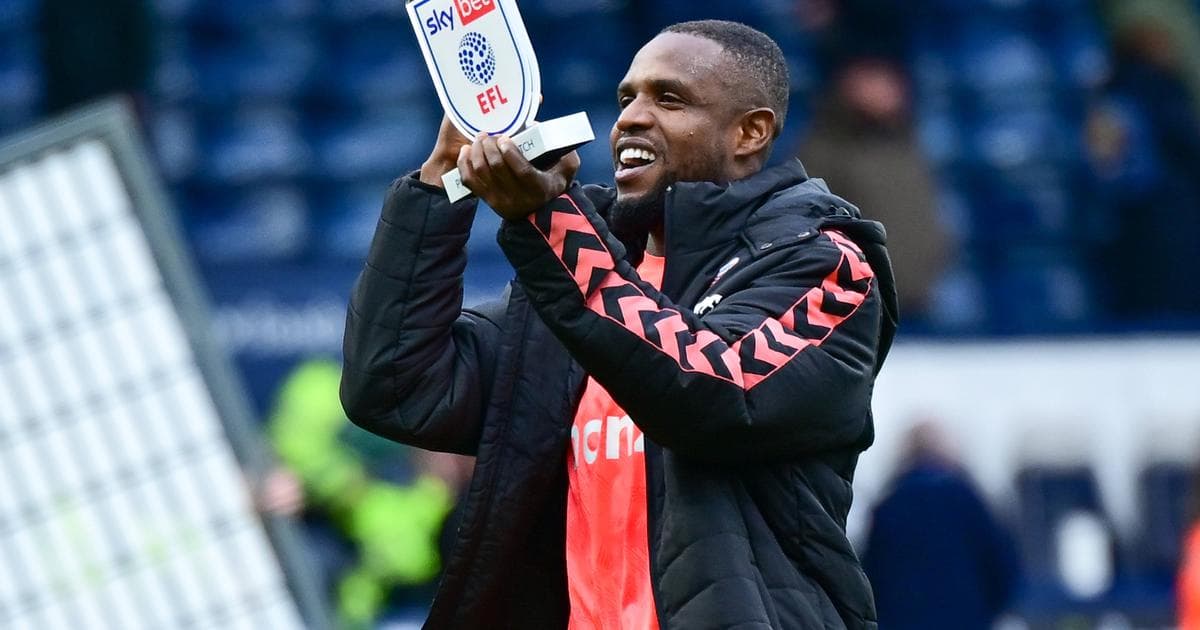
Frank Onyeka Signs Permanent Coventry City Deal After Helping Club Win Championship Title and Promotion
Football · Jun 30

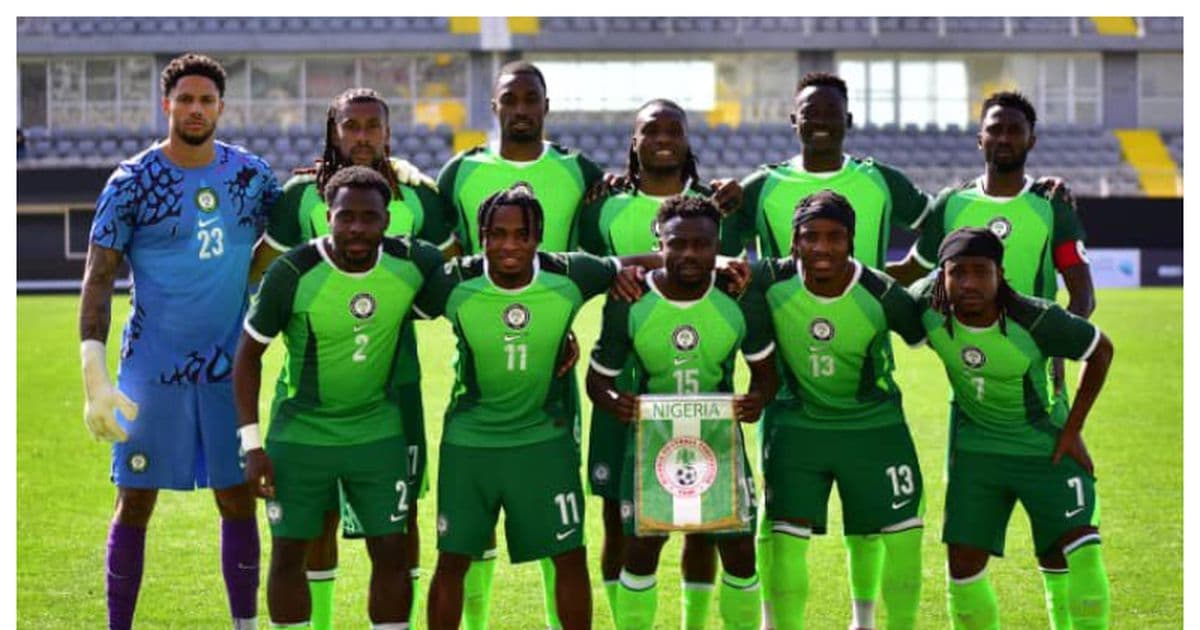
Former Chelsea and England forward Eniola Aluko has called on the Nigerian Football Federation to prioritise infrastructure investment, drawing parallels with Brazil’s domestic league model as a blueprint for restoring Nigeria’s footballing standing.
Eniola Aluko, the Nigerian-born former Chelsea and England forward who now works in sports investment, has laid out a framework for revitalising Nigerian football, placing infrastructure development at the centre of her argument in a recent interview.
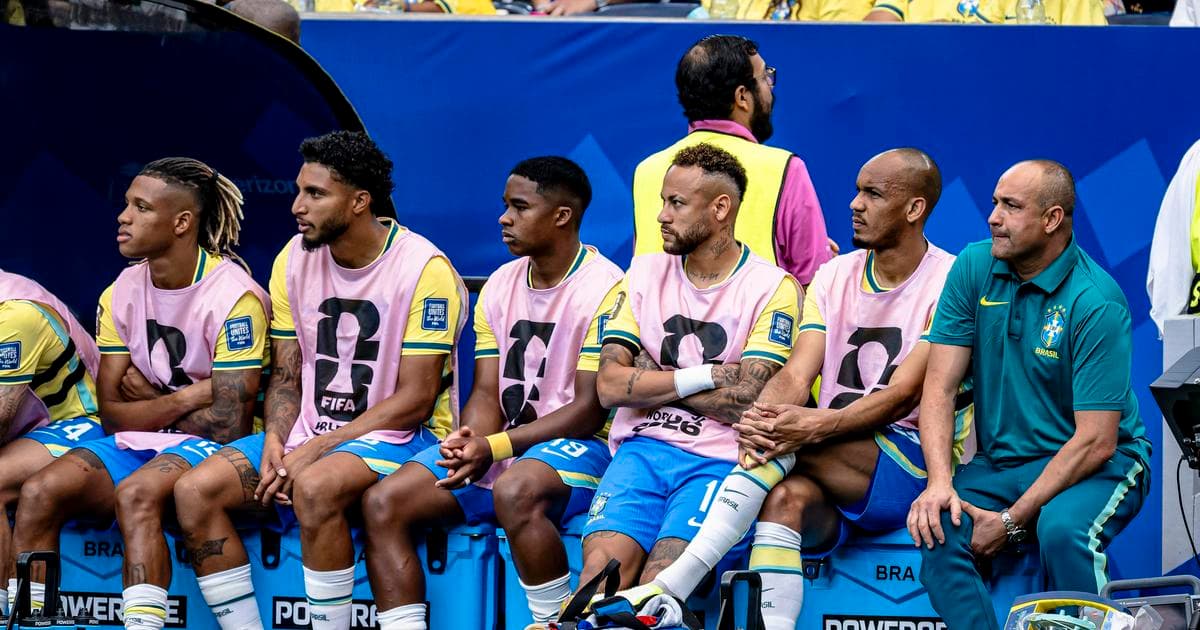
Aluko pointed to Brazil as a relevant reference point, noting the South American nation’s ability to sustain a competitive domestic league despite not winning a FIFA World Cup since 2002. “I think when you look at leagues like Brazil’s, Brazil is on a similar path to Nigeria in economic terms,” she said. “But Brazil have managed to create a league where the best talent leaves but then comes back towards the end of their career. Neymar is there. Thiago Silva is there.”
The comments carry particular weight given Nigeria’s current footballing challenges. The Super Eagles have failed to qualify for the last two FIFA World Cups, a stark contrast to the team’s earlier dominance on the continent. On the women’s side, the Super Falcons remain Africa’s most decorated women’s national team, though Aluko suggested the side has not received the institutional recognition and support commensurate with that record.
Aluko, who also had a stint at Juventus during her playing career, argued that domestic league reform and physical infrastructure investment are inseparable from national team performance. “From a football perspective, there’s a lot of opportunity to invest in the infrastructure of sport,” she stated. “We were talking on the radio about the Nigerian league and the talent that is being produced, but that talent needs to be supported by infrastructure, right?”
She elaborated on what that support should look like in practical terms: “It needs to be supported by good facilities, good pitches, good management, a pathway — all of these things that allow talent to really rise to the top.”
Aluko framed the relationship between domestic investment and national team results as mutually reinforcing. “The national team will benefit, the leagues will benefit,” she affirmed. “Through my work with CAF, but also through my investment work, I want to try to help with the facility side, building more pitches, things like that.”
Her reference to CAF is notable. The Confederation of African Football has in recent years expanded its own infrastructure and development programmes across the continent, and Aluko’s dual role — spanning continental football governance and private sports investment — positions her as a credible voice on the structural gaps facing Nigerian football.
Nigeria’s only notable recent international achievement at the senior level came at the Africa Cup of Nations, though the Super Eagles’ absence from consecutive World Cup cycles has prompted wider debate about the direction of football development in the country. The Nigeria Professional Football League has historically struggled to retain top domestic talent, with most elite Nigerian players pursuing careers in Europe from a young age and rarely returning in the manner Aluko describes in the Brazilian model.
The NFF has not publicly responded to Aluko’s remarks. Nigeria’s next major competitive fixtures will come in the 2025 Africa Cup of Nations qualification campaign, providing an early measure of whether the structural concerns Aluko has raised are being addressed at federation level.
FootballFootball · Jun 30
 Football
 · Jun 30
 Football
 · Jun 30
 Football
 · Jun 30